
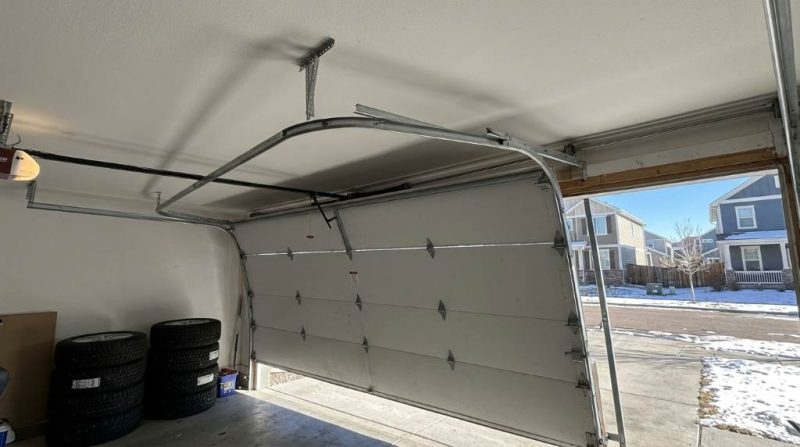
A garage door should move smoothly every time you press the opener. However, a low overhead track jam can stop that movement without warning. According to industry estimates, garage doors open and close more than 1,500 times yearly in many homes. Additionally, nearly 70% of homeowners use the garage as their primary entrance. Before diagnosing the problem, review the required minimum clearance for garage door because limited overhead space often contributes to track issues. This guide explains practical solutions that improve safety and restore reliable operation.
Understand Why a Low Overhead Track Jam Happens
Low overhead garage doors use specialized track systems that fit tight ceiling spaces. Therefore, every component must remain properly aligned for smooth movement.
Dust, bent tracks, worn rollers, and loose brackets often create resistance. Likewise, poor installation increases pressure on moving parts during every cycle.
Many homeowners also overlook design considerations before installation. Learning about minimalism function British garage doors helps explain why balanced layouts improve long term performance.
Common Warning Signs
- Grinding or scraping sounds
- Door stops halfway
- Uneven door movement
- Visible track bending
- Rollers leaving the track
- Door reverses unexpectedly
Inspect the Entire Garage Door System Safely
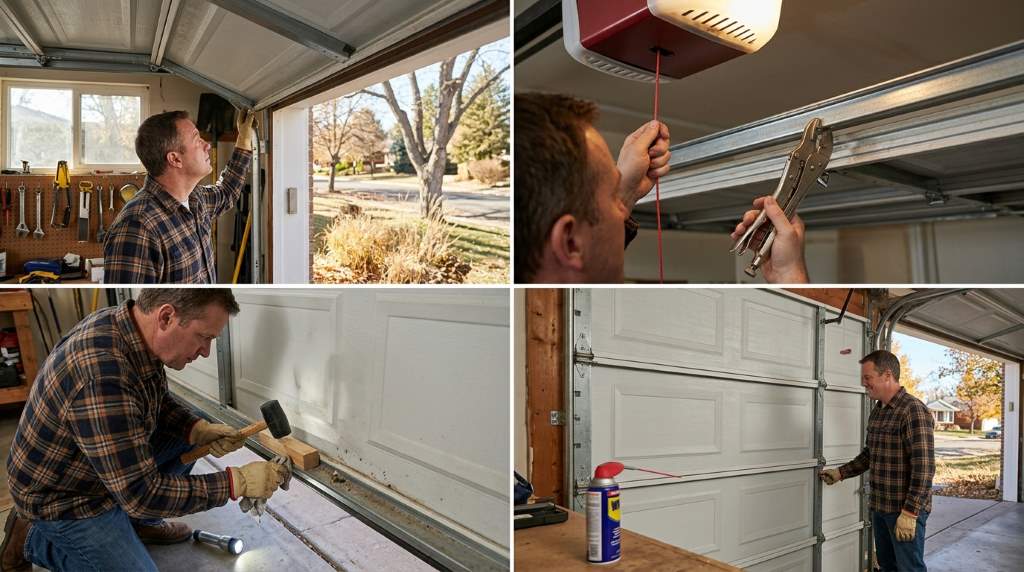
Disconnect the automatic opener before inspecting any moving components. Next, ensure the door remains fully closed throughout the inspection.
Use a flashlight to examine both vertical and horizontal tracks carefully. Meanwhile, check for dents, debris, loose bolts, and damaged mounting brackets.
Look closely at every roller because worn wheels create unnecessary friction. Small cracks or flat spots usually indicate replacement is necessary.
Check Track Alignment
Place a level against each track section for accurate measurements. Even slight misalignment can produce a recurring overhead track jam.
Tighten loose mounting hardware with the correct wrench size carefully. Never overtighten fasteners because excessive pressure may bend the brackets.
Clean the Track Before Making Adjustments
Dirt buildup frequently causes rollers to stick inside narrow track channels. Consequently, cleaning should always come before major repairs.
Wipe both tracks using a clean microfiber cloth and a mild household cleaner. Remove grease, dust, insects, and hardened residue completely.
Moisture also creates corrosion that increases rolling resistance over time. Reading about control garage humidity offers useful maintenance practices that reduce rust formation.
Lubricate the Correct Components
Apply garage door lubricant only to rollers, hinges, and bearings carefully. Avoid spraying thick lubricant directly inside the track.
Excess lubricant attracts dirt that creates additional movement problems later. Instead, keep track surfaces clean and dry.
Repair Minor Track Damage
Small dents often prevent rollers from moving smoothly through the track. Fortunately, minor damage usually responds well to careful correction.
Use rubber mallets for gentle adjustments without damaging galvanized steel. Work slowly while checking roller movement after each correction.
Exterior improvements also influence overall garage value and appearance. Many homeowners explore black garage door ideas while planning maintenance upgrades.
Replace Severely Damaged Sections
Replace track sections showing deep bends or structural cracks immediately. Continuing operation may damage the opener and door panels.
Purchase replacement parts designed specifically for your garage door model. Matching dimensions ensure smooth roller travel and proper alignment.
Inspect the Rollers and Hinges
Rollers experience constant movement during every opening and closing cycle. Therefore, worn wheels commonly create overhead track jams.
Steel rollers usually last longer than plastic alternatives under heavy use. Nevertheless, both materials eventually require replacement after years of service.
Inspect hinges for cracks, loose fasteners, and unusual movement patterns. Damaged hinges often shift roller positions inside the track.
Know When Replacement Makes Sense
- Rollers wobble during movement
- Bearings produce loud noise
- Wheel surfaces appear chipped
- Door shakes while opening
- Movement becomes uneven
Evaluate the Spring and Cable System
Garage door springs balance most of the door’s weight during operation. Consequently, damaged springs increase pressure on the track system.
Inspect extension or torsion springs from a safe distance only. Broken springs require professional replacement because they store significant energy.
Also examine lifting cables for fraying, rust, or loose winding. Damaged cables create uneven lifting that stresses the overhead track.
Test the Garage Door Opener
Modern garage door openers include force and travel adjustment settings. Incorrect settings sometimes create repeated track jams.
Review the manufacturer’s instructions before changing any opener adjustments. Test door movement after every small modification.
If the opener struggles despite proper alignment, the motor may require servicing. Professional diagnostics can prevent unnecessary component replacement.
Prevent Future Low Overhead Track Jams
Routine maintenance greatly reduces unexpected garage door failures throughout the year. Simple inspections often identify small problems before expensive repairs develop.
Create a seasonal maintenance checklist and follow it consistently. Regular care extends the lifespan of every moving component.
Preventive Maintenance Checklist
- Inspect tracks monthly
- Clean debris regularly
- Lubricate moving hardware twice yearly
- Tighten loose fasteners
- Check opener safety features
- Replace worn rollers promptly
- Schedule professional inspections annually
When to Call a Professional
Some repairs involve serious safety risks that require experienced technicians. Broken springs, damaged cables, and structural track failures belong in that category.
Professional inspections also confirm proper door balance and opener performance. Expert adjustments often prevent recurring problems and costly future repairs.
Conclusion
Fixing a low overhead track jam starts with careful inspection, cleaning, and proper maintenance. Addressing small issues early prevents larger mechanical failures and improves daily reliability.
If the problem continues after basic repairs, contact a qualified garage door technician immediately. Professional service protects your investment while keeping your garage door operating safely.
Frequently Asked Questions
What causes a low overhead track jam?
Track misalignment, worn rollers, debris, or damaged hardware commonly cause the problem.
Can I repair a bent garage door track myself?
Minor dents are repairable, but severe bends usually require replacement.
Should garage door tracks be lubricated?
No, only rollers, hinges, and bearings should receive garage door lubricant.
How often should garage door tracks be cleaned?
Cleaning every few months helps prevent dirt buildup and smoother operation.
When should I call a garage door professional?
Contact a professional whenever springs, cables, or major track damage are involved.
