
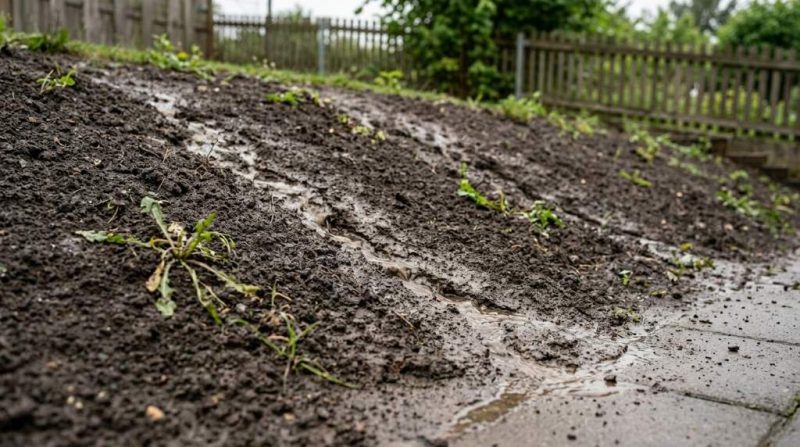
Heavy rainfall and coastal weather can quickly damage landscapes through soil erosion and washout. According to the United States Environmental Protection Agency, soil erosion remains one of the leading causes of sediment pollution in waterways. Additionally, the National Oceanic and Atmospheric Administration reports that intense rainfall events continue increasing across many coastal regions. Property owners can reduce these risks with practical solutions. For example, many homeowners also install ground anchors for trailers while improving outdoor stability and protecting valuable property.
Stopping soil washout requires understanding water movement, improving drainage, and strengthening exposed ground. Fortunately, several affordable methods work well for residential and commercial landscapes. This guide explains proven techniques that help protect your yard while maintaining an attractive outdoor environment.
Understand Why Soil Washout Happens
Soil washout begins when rainfall exceeds the ground’s ability to absorb water. Consequently, flowing water carries loose soil downhill and exposes plant roots.
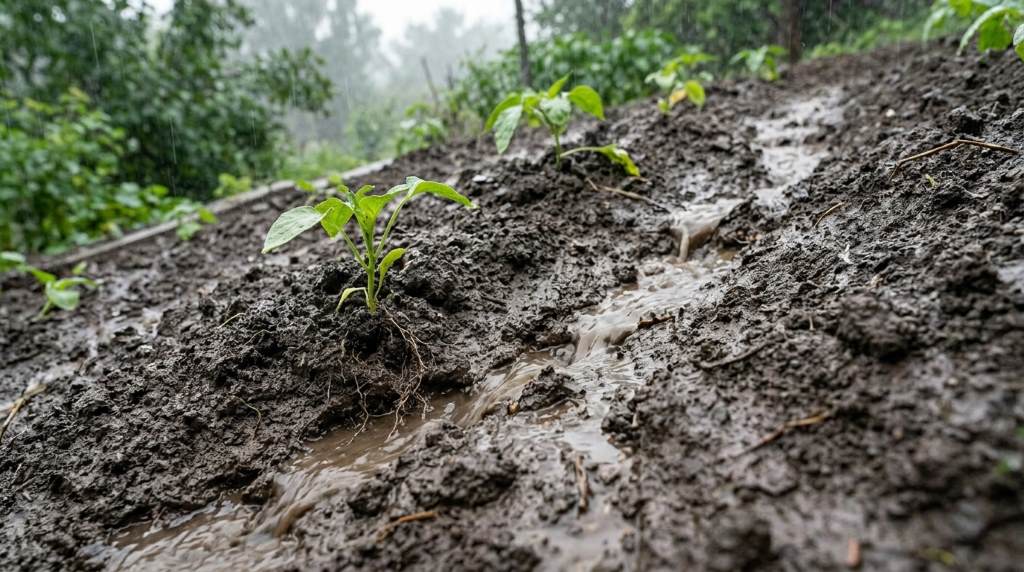
Poor grading, compacted soil, and missing vegetation often worsen erosion problems. Meanwhile, proper garden maintenance also supports healthy soil, and learning weed your garden correctly reduces unnecessary soil disturbance.
Charleston properties experience frequent rainstorms, humid weather, and occasional tropical systems. Therefore, homeowners should inspect vulnerable slopes before serious erosion develops.
Improve Drainage Before Water Causes Damage
Managing water flow remains the most effective long term erosion solution. Redirecting excess runoff prevents soil from washing away during heavy storms.
Install French Drains
French drains collect underground water and safely move it away from problem areas. They also reduce standing water around foundations and landscaped beds.
Use Swales
Shallow swales guide rainwater toward safe drainage locations without creating deep channels. Furthermore, they blend naturally into most landscape designs.
Maintain Existing Drainage
Blocked drains often create unexpected overflow during storms. Regular cleaning ensures water continues flowing through the intended path.
Protect Bare Soil with Ground Cover
Exposed soil erodes much faster than planted areas because roots hold soil particles together. Native grasses, ground covers, and shrubs provide excellent protection.
Healthy landscape tools also improve planting success. Additionally, understanding garden hoe restoration methods keeps equipment effective while reducing unnecessary soil disruption.
Mulch also helps prevent erosion by slowing rain impact and preserving soil moisture. Organic mulch gradually improves soil quality as it naturally decomposes.
Strengthen Slopes and Hillsides
Steeper slopes require additional reinforcement because water travels faster across angled surfaces. Fortunately, several proven methods help stabilize these challenging areas.
Pruning nearby vegetation encourages healthier root systems that better support surrounding soil. Likewise, using the best loppers for thick branches makes trimming safer and more efficient.
Install Retaining Walls
Retaining walls hold soil securely while reducing downhill pressure. Stone, concrete blocks, and treated timber remain popular residential choices.
Use Erosion Control Blankets
Biodegradable erosion blankets protect freshly seeded areas until vegetation becomes established. Consequently, young plants receive valuable protection during early growth.
Add Terracing
Terraces break long slopes into smaller flat sections that slow water movement. As a result, rainfall has more time to soak into the ground.
Select Plants That Resist Erosion
Deep rooted plants naturally improve soil stability throughout every season. Native species also require less maintenance after becoming established.
Consider planting ornamental grasses, switchgrass, muhly grass, and native shrubs. Their extensive root systems strengthen soil while enhancing landscape appearance.
Trees also contribute valuable erosion protection on larger properties. However, plant them strategically to avoid future foundation or utility conflicts.
Apply Mulch and Decorative Stone Carefully
Mulch cushions soil from direct rainfall while reducing evaporation during warmer months. However, choose heavier mulch materials on slopes because lightweight mulch may wash away.
Decorative gravel or river rock works well around drainage channels and garden edges. These materials reduce water speed while creating attractive landscape features.
Avoid excessive mulch depth because thick layers may trap moisture against plant stems. Instead, spread mulch evenly across planting beds.
Repair Washout Areas Quickly
Small erosion problems often become expensive repairs when ignored. Therefore, inspect your property after every significant rainstorm.
Replace missing soil before reseeding damaged areas with suitable grass or ground cover. Then water gently until vegetation develops strong roots.
If deep gullies continue forming despite repairs, consult a qualified landscaping professional. Persistent erosion sometimes indicates larger drainage problems requiring expert evaluation.
Simple Maintenance Habits That Prevent Future Washout
Consistent maintenance keeps erosion under control throughout the year. Small improvements usually prevent costly landscape repairs later.
- Clean gutters before heavy rainfall seasons.
- Inspect drainage outlets every month.
- Replace damaged mulch when necessary.
- Remove debris blocking water flow.
- Replant bare patches immediately.
- Check retaining walls for movement.
- Monitor slopes after severe storms.
Common Mistakes That Increase Soil Erosion
Many homeowners accidentally worsen erosion through simple landscaping mistakes. Fortunately, avoiding these errors protects both soil and property.
- Directing downspouts onto slopes.
- Leaving bare soil uncovered.
- Ignoring clogged drainage systems.
- Removing too much vegetation.
- Using unsuitable plants for steep areas.
- Delaying repairs after heavy rainfall.
Conclusion
Stopping soil washout requires a combination of proper drainage, healthy vegetation, and regular maintenance. Each improvement strengthens your landscape while reducing future repair costs.
Start with the most vulnerable areas and gradually upgrade your entire property. Taking action today helps protect your landscape, foundation, and outdoor investment for years to come.
Frequently Asked Questions
How can I stop soil erosion naturally?
Plant deep rooted vegetation and apply mulch to reduce water impact and strengthen soil.
Does mulch help prevent soil washout?
Yes, mulch slows rainfall impact while helping soil retain moisture and stability.
What plants work best for erosion control?
Native grasses, shrubs, and ground covers with deep root systems provide excellent erosion protection.
Should I install a retaining wall?
Retaining walls work well when steep slopes experience repeated soil movement.
How often should I inspect erosion prone areas?
Inspect vulnerable locations after major storms and at least once every month.
