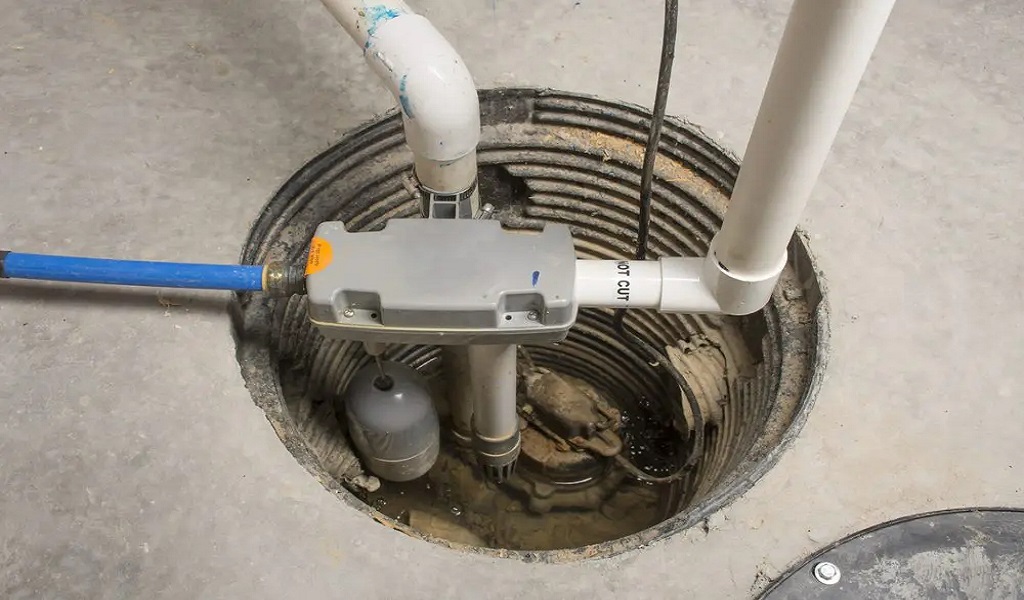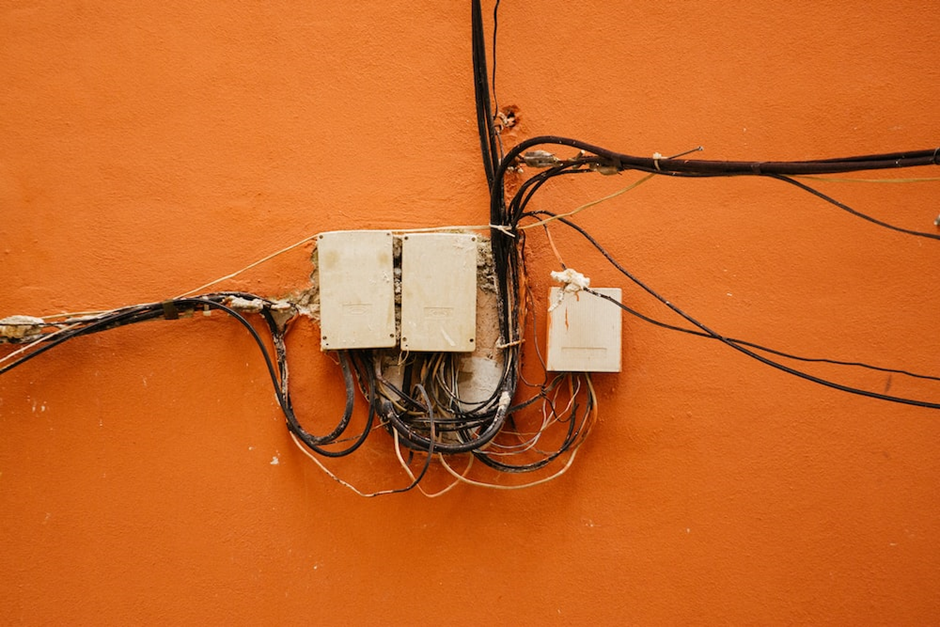
Children learn how things work by exploring their environment. Here are a few tips to keeping your home a safe environment for youngContinue reading →
The Cheapest Way To Raise Floor Height: DIY Methods Revealed
Are you searching for the cheapest way to raise floor height? Well, look no further because the article covers everything about it.
Raising your floor height can be a great way to add more space to your home without having to spend a lot of money. There are many ways to do this, and the cheapest way will vary depending on your needs. Some methods include insulation material, deck mud, leveling compound, or wooden subfloor (framed). These ways are also very easy to use, so you can get up and down without any difficulty.
The cheapest way to raise floor height (Methods)
Raising floor level depends on the specific circumstances. However, there are a few methods that can be used to achieve a similar goal without spending too much money.
Insulation material
There are many ways to insulate your home, but the cheapest and most effective way to increase floor height is by using insulation material. Several different types of insulation material can be used and each will have different benefits.
One type of insulation material that is often used is fiberglass batt insulation. This type of insulation is made from small pieces of fiberglass that are sealed together with a special adhesive. When installed in a house, this type of insulation will help to improve energy efficiency because it helps to keep the heat inside the house during cold weather periods.
Another type of insulation material that is often used is spray foam insulation. This type of insulation is made from heated gas or liquid which is then forced into tiny bubbles.
Deck mud
Another cheap and easy way for build-up floor level. All you need is a container of deck mud, a shovel, and some help from friends. Pour the deck mud into the shovel and shovel it onto the ground around the edge of your deck. Use your friends to push and shove the mud up against the feet of the railing or other elevated parts of your deck. Once you’ve created a wall around all sides of your deck, use a tarp or other piece of cloth to cover it. Let the mud dry for at least two days before using it to raise your floor height.
Leveling compound
The compounds come in a variety of formulations and textures, so be sure to pick the one that works best for your project. Some products require water while others work better with a heavier layer of compound. Once you’ve chosen the right product, follow the manufacturer’s instructions for applying it. Most floor leveling compounds take around two hours to dry, so be prepared to spend some time getting the job done right.
Wooden Subfloor (Framed)
Framed subfloors are made of solid lumber and are thicker than traditional plywood or sheetrock floors, which means they can support more weight and provide more stability. Plus, they’re affordable and easy to install—you just need a few simple tools and some basic carpentry skills. Furthermore, it also completes the raised floor height with wood.
Benefits and drawback
Raising the floor height of a house is one of the most practical ways to improve its living conditions. There are many benefits to raising the floor height, including increased room size, more storage space, and a larger balcony or patio. However, there are also drawbacks to increasing the floor height. For example, if the house is not structurally sound enough to support a higher floor level, it may collapse under its weight. Additionally, if the house is situated at an elevation and the added height causes significant wind and water erosion, this expense may be unnecessary.
Common Question
Can I use plywood to raise a floor?
Covering the flooring with sheets of 1/2-inch cement board is generally sufficient to level out very slight dips in case you’re putting ceramic tile. When laying plywood or cement board directly over an existing subfloor, bare in mind that this will result in a taller finished floor. However, the floor height will increase if a cement board or plywood is installed directly over the existing subfloor.
How much does it cost to raise a floor?
In a 400-square-foot living room, raising a sunken floor six inches would take $2,400. Step removal costs $6 per sq. ft, excluding flooring and finishing.
What is the cheapest way to level a concrete floor?
Self-leveling paints cover cracks and gaps and fissures. You may also use vinyl floor tiles to transition. Getting a large diamond grinding wheel and beveling the lip would be the cheapest).
Final words
What works for one person may not work for another, so it is important to consult with an expert before making any changes to your home. Additionally, there are several affordable solutions available that will help you raise your floor without breaking the bank.
Hopefully, the article on the cheapest way to raise floor height was useful for you. Thanks.
6 Signs You Need an Apartment Change
One of the advantages of renting your own apartment is that you can move to a new home if you realize that your current one is not a good fit anymore. Sometimes, no matter how much you love your current place, there comes a time when you feel that you have to leave itContinue reading →
Garage Door Repair Landlord Or Tenant Must Agree On Price
Confused about the topic of, “garage door repair landlord or tenant”. Look no further, here the article will guide you through every answer you need.
There is no easy answer when it comes to who should be responsible for a garage door repair tenant or landlord. In some cases, the tenant may be solely responsible for the repairs, while in others, the landlord may have to step in. However, there are a few things to keep in mind when determining who should be responsible.
Repairing a Garage Door: General Guidelines
Garage doors can become damaged from a variety of sources, including weathering and misuse. When a garage door is in need of repair, it’s important to take care in selecting the contractor you work with. Here are some general guidelines for repairing a garage door:
- Consult with a professional before beginning any repairs. A qualified contractor will have the proper tools and know-how to complete the job correctly.
- Be sure to use the right type of adhesive when attaching new parts or brackets. Use only approved adhesives that are specifically designed for garage door repairs.
- Always keep safety in mind while working with tools and machinery. Wear gloves, protective eyewear, and ear protection when handling heavy objects or equipment.
- Test the operation of your garage door before allowing anyone inside to ensure that everything is working properly afterward.
The Proper Tools for Garage Door Repairs
Garage door repairs can be done with the proper tools. Here are some things to keep in mind:
- Have a good-sized piece of plywood or a large cardboard box handy to place under the garage door during repairs in case it falls on the floor.
- Make sure you have all the necessary tools, including a wrench, screwdriver, and pliers.
- Use caution when working above your head – especially when repairing cables and springs.
- Wear safety goggles and a dust mask if needed.
How to Fix a Garage Door that Won’t Open or Close
If your garage door is not opening or closing properly, there may be a problem with the opener or the chain. Sometimes, the spring can become stretched and cause problems. If the garage door won’t open from the inside, you may need to replace the opener. If it’s difficult to fit a ladder in your garage, you can try using a service like LiftMaster that will come to your house and open and close your garage door for you.
Is the landlord responsible for the garage door opener?
Many people believe that the landlord is responsible for garage door repair. This is not always the case, however. In most cases, the landlord is only responsible if they have been notified of the issue and have failed to take care of it. If you experience a garage door issue and cannot find a resolution with your landlord, it may be helpful to contact a licensed contractor.
Does renters insurance cover garage door damage?
If you live in a house with a garage, you might be wondering if your renter’s insurance will cover any damage to your garage door. Garage doors are an important part of the security system in most homes, so it’s important to make sure that they’re protected if something goes wrong. Most rental policies do cover some damage to garages, but there are a few things to keep in mind before you file a claim.
First, it’s important to know the specific coverage that your policy offers. Some rental policies only offer limited coverage for damages to garages, while others offer full coverage for everything from broken windows to the destruction of the door. Second, be sure to document the damage when it happens. Photos or video footage of the damaged area can help prove that the damage was caused by something outside of your home and not just by normal wear and tear.
Understanding and Troubleshooting Safety Issues with Garage Doors
Garage door repair is an important part of ensuring the safety of your home. Understanding the different types of safety issues that can occur with garage doors and troubleshooting them is essential for keeping your family safe. Here are some key points to keep in mind when dealing with garage door repair:
- Make sure the door is properly installed by a professional installer. Improper installation can lead to problems such as saggy or wobbly doors, which can pose a safety hazard.
- Check for obstructions on the tracks and ensure they are clear of objects before opening the door. Objects can interfere with the motion sensors, causing the door to close unexpectedly.
- Be aware of weather conditions and adjust your security settings accordingly. A windstorm can cause doors to fly open, while heavy rains or snow can cause water damage that requires immediate attention.
Conclusion
Whether the tenant damaged garage door or the landlord, it is important to know the basics of garage door repair. Also, it’s efficient to know your rights and responsibilities when it comes to garage door repair. As a landlord or tenant, be sure to familiarize yourself with your lease agreement and the specific provisions related to garage door repair. If you are experiencing problems with your garage door, don’t hesitate to reach out for help.
We hope the article on garage door repair landlord or tenant was helpful for you. Thanks.
10 Top Energy-Consuming Home Appliances
Below are the top 10 home appliances that consume the most electricity by the best online casinos for us players.
Continue reading →
How Often Must Landlords Repair Damaged Window Screens
Wondering, how often must landlords repair damaged window screens? Read this article to explore the answer.
There is no set answer to this question, as it largely depends on the specific property and how often it experiences damage. However, a good rule of thumb is that landlords should repair damaged window screens at least once every year. This will help ensure that tenants are not able to access or climb through the screens and that insects and other pests do not gain access to the property.
Window screens are a common fixture in most homes and offices. They are generally made from a stretchy, transparent material that is attached to the window frame. The purpose of a window screen is to protect the window from objects and weather that might enter through the window. The screen material is usually made from a sturdy mesh or fabric, and it is often treated with an anti-UV or anti-fog coating.
Types of window screens
Window screens come in a variety of materials and sizes. The most common type is a mesh screen, which is made up of small, tight squares. These screens are great for blocking sunlight and insects, but they can be difficult to clean. Window screens can also be made from other materials, such as vinyl or plastic. These screens are easier to clean but may not block out sunlight or insects as well as mesh screens. Window screens come in a variety of sizes and shapes. They can be mounted on the outside of your window or placed inside the window frame. There are also retractable window screens that you can pull down when you’re not using them.
Are landlords required to provide window screens?
This is a question that many apartment dwellers are likely to ask themselves. After all, it’s not something that landlords typically focus on when they’re preparing leases. In fact, some might argue that landlords are not even obligated to provide window screens at all. So, is there a law in place that mandates landlords provide window screens in the rental units they own?
The answer, unfortunately, is no. There is no specific statute or regulation mandating landlords provide window screens in their rental units. This leaves the decision up to individual property owners. However, there are a few reasons why providing window screens may be beneficial for tenants. First of all, screens can help prevent furniture and other objects from being thrown out of windows and onto the ground below.
Are window screens required by law?
In most cases, window screens are not required by law. However, if a window screen is damaged or if insects or other pests enter the home through a broken screen, then it may be necessary to replace the screen. States vary in their laws regarding the use and installation of window screens, so it is important to check with your local municipality or county government for specific requirements.
How should a landlord go about repairing damaged window screens?
Every landlord should know how to repair the damage done to window screens. The most common reason screens are damaged is from animals trying to get in. The first step is to determine if the animal was able to get in or not. If so, then the next step would be cleaning up any droppings and debris. Once that is done, it is important to take a picture of the damage so that proof can be provided if a dispute arises later on. Next, a quote should be obtained for the cost of repairing the screen. Finally, if the screen can’t be repaired, a new one should be purchased and installed.
Conclusion
It is important for landlords to check their property for damaged window screens on a regular basis, as these screens can become torn or broken easily and can provide a way for pests and other insects to enter a building. Landlords should also consider hiring a professional to repair any screens that are damaged.
How To Enclose A Clawfoot Tub
Searching for how to enclose a clawfoot tub? Here, you’ll get all the necessary answers.
A clawfoot tub is a classic piece of bath furniture that has been around for centuries. It’s a deep, wide tub with a curved edge on one side and a square edge on the other. The curved side is perfect for soaking in, and the square edge is perfect for washing your feet. If you’re looking for an elegant way to relax after a long day, consider enclosing your clawfoot tub with a shower enclosure.
Materials and Tools
There are a few materials and tools that are necessary in order to enclose a clawfoot tub. This includes a sturdy frame, carpeting or padding, screws, nails, and a drill.
It is important to choose the right frame for the tub. The size of the frame will determine how much carpeting or padding is needed. It is also important to make sure that the screws and nails are long enough to reach all the way through the flooring.
Once the tub has been assembled, it is time to attach the carpet or padding. This can be done by using screws and nails or by using Velcro straps. Once everything is attached, it is time to drill holes in the bottom of the tub so that the water can drain properly.
Step-by-step instructions: How to enclose a clawfoot tub
If you’re considering enclosing a clawfoot tub, there are a few key steps you’ll want to take into account. First, make sure the tub is level and plumb. Next, build a frame around the tub that’s at least 2 inches larger on all sides than the tub itself. Finally, use drywall screws and sealant to attach the frame to the tub’s surface. Here are step-by-step instructions for enclosing a clawfoot tub:
- Measure the tub’s perimeter and subtract the needed amount of insulation (usually 2-3 inches).
- Cut the insulation to fit and attach it with screws or nails.
- Place the membrane over the insulation and screw it in place.
- Cut a hole for water drainage on one side of the membrane, being sure to leave a 1-inch border all around the edge of the opening.
- Cut a rectangle out of old sheetrock or wallpaper that is large enough to cover the entire front surface of the tub (including both sides of your cut hole).
- Carefully peel off the old paper and put it on your new membrane liner, making sure to line up all cuts and holes correctly.
How to enclose a clawfoot tub with glass
If you’re looking for a clawfoot tub glass enclosure, there are a few ways to do so. You can buy an enclosure kit, or you can make your own.
The most basic way to enclose a clawfoot tub is with a piece of glass that fits snugly around the outside of the tub. You’ll need to measure the dimensions of your tub before you start, and then purchase a piece of glass that’s the same size as the tub.
To install the glass, first, remove the old trim around the edge of the tub. Then, using a glass cutter or sharp knife, cut out a hole in the center of the glass that’s large enough for the drain pipe and large enough to fit around the bathtub rim.
Pros and Cons of Enclosing a Clawfoot Tub
When considering whether or not to enclose a clawfoot tub, there are a few benefits and drawbacks to consider. The benefits of enclosing a clawfoot tub include:
- Security: A clawfoot tub can be easily secured with locks and bolts, making it less likely that it will be stolen or vandalized.
- Cleanliness: Enclosing a clawfoot tub makes it easier to keep the water clean since dirt and debris cannot easily accumulate on the surface.
- Health Risks: Clawfoots are made from soft materials which can collapse if wetted and drained incorrectly, posing health risks if the water is contaminated.
- Cost: Enclosing a clawfoot tub can be expensive, but this added security may be worth the expense.
There are also some drawbacks of enclosing a tub as well, which are:
- It can be difficult to get the tub out if it needs to be taken down for repairs or replacement.
- The enclosure can make it difficult to keep the tub clean and free of debris.
- If the enclosure is not properly installed, water can seep through the walls, leading to mold and mildew problems.
What kind of shower curtain do you use for a clawfoot tub?
When you are ready to tile or enclose your clawfoot tub with a shower curtain, there are a few things to consider. The size of your tub and the style of your shower curtain will both affect what type of curtain you should use.
One popular style is a tie-back curtain that hangs from rings on the sides or top of the tub. This style is perfect for small or medium-sized tubs that have standard-height walls. Tie-back curtains also come in a variety of lengths, so you can choose one that covers the entire tub or just part of it.
If you have a large or extra-long tub, an enclosure panel may be more suitable. Enclosure panels are made from sturdy vinyl material and cover both sides of the tub. They are available in several sizes and can be mounted using wall mounts or suspended from hooks in the ceiling.
Read More: How to get fish oil smell out of clothes
Final thoughts
A clawfoot tub is a luxurious and relaxing addition to any bathroom. Whether you’re looking to soothe your tired muscles after a long day or simply want to soak in some peace and quiet, a clawfoot tub is a perfect way to get your needs met. We hope now you know all about clawfoot bathtub shower enclosures. Thanks.
5 Tips for Long-Lasting Home Appliances
Home appliances have made our lives so much easier. We cannot deny the comfort and convenience these appliances provide us. A day without these helping hands is quite annoying and troublesome. But these man-made machines can break down or go out of function if not taken care of properly.Continue reading →
Six Laundry Mistakes to Avoid
Always steer clear of these common laundry mistakes to get the best clean every time,Continue reading →
How to disinfect a large amount of toys?
Parents are always on the lookout for ways to keep their children safe and healthy, one of which is by sanitizing or disinfecting their toys. Toys can harbor harmful bacteria, which can lead to illness if ingested. Disinfecting toys is a simple and effective way to prevent illnesses from spreading.
There are a few ways to sanitize or disinfect toys. One option is to use alcohol-based hand sanitizers.
Cleaning Versus Disinfecting: What’s the Difference?
When it comes to cleaning versus disinfecting, there are a few key differences that you need to be aware of. First and foremost, cleaning is typically used to remove dirt, dust, and other surface contaminants. Disinfecting, on the other hand, is used to kill or stop the growth of microorganisms or harmful fungi. Additionally, disinfectants are also often used in laboratories and medical settings to destroy any potential biohazards. Second, cleaning may be sufficient for general clean-up work around the home or office.
Sanitizing soft or plush toys is important
To ensure that they are safe for children to play with. Many people do not think of sanitizing these types of toys, but it is actually a very important step in ensuring their safety. Toys that are not properly sanitized can easily become contaminated with bacteria, which can lead to sickness. Here are some tips on how to sanitize soft or plush toys:
– Before cleaning the toy, wet it down with warm water and soap.
– Rinse the toy thoroughly under cold water.
– Shake off any excess water and soap.
– Let the toy air dry.
Read More: How to get fish oil smell out of clothes
Sanitizing Electronic toys
Children are constantly exposed to germs and bacteria through their contact with people, food, and other objects. Toys are no exception, and can easily become contaminated with harmful bacteria if not properly sanitized. Toys that use electronic components can be particularly vulnerable to infection, as they often contain ports that allow saliva or other fluids to enter and touch the circuitry. In order to protect children’s toys from contamination, it is important to clean them regularly using a proper disinfectant. There are many available products on the market that specifically target toy disinfecting, so it is important to select one that is safe for the material being cleaned and compatible with the electronic components used in the toy.
Using Bleach for cleaning toy is harmful
Toy manufacturers are touting the use of bleach to clean their products as a way to make them safer for children. However, using bleach to clean toys can be harmful. When bleach is used on plastic materials, it can cause the material to break down and release chemicals that are harmful to children. Bleach is also a strong detergent and can damage fabrics and other materials if it is not used correctly.
Frequently Asked Question
When to Clean Toys
There is no one answer to this question as it depends on the type of toy, how often it is played with, and other factors. However, generally speaking, toys should be cleaned when they start to show signs of wear and tear. This includes things such as cracks in the plastic or paint starting to peel off. Additionally, toys that are frequently shared between multiple children should be cleaned regularly in order to prevent them from becoming dirty or bacteria-ridden.
Read More: Why are locksmiths so expensive
When should you disinfect toys?
There are a few times when it is important to disinfect toys. Toys can become contaminated with bacteria if they come into contact with raw meat, open wounds, or feces. Toys can also become contaminated if they are used to touch dirty surfaces. If your child plays with toys that have been disinfected, there is a less chance of them getting sick.
Wrapping Up
In conclusion, disinfecting a large amount of toys is a great way to prevent illness and make sure your children are enjoying clean playtime. Be sure to read the safety instructions carefully before starting the process, and follow them closely to ensure a safe outcome.