
Fabrics hold fried food odors because airborne grease binds tightly to porous textile fibers. Southern California heat and dry indoor air accelerate oil oxidation within woven materials. Targeted degreasing detergents and warm wash cycles release these stubborn culinary aromas effectively.
Dining out and home frying create persistent grease vapor challenges across coastal California communities. Over 72 percent of urban diners notice food odors clinging to clothes after evening restaurant visits. Additionally, microscopic oil droplets penetrate synthetic fabric weaves within twenty minutes of exposure. Residents actively search for ways to get cooking oil smell out of clothes after busy culinary outings. Understanding fiber chemistry helps eliminate foul smells before they ruin quality everyday wardrobes.
Key Takeaways
- Lipid fiber bonding: Cooking fats bond quickly with hydrophobic synthetic garment threads.
- Heat oxidation impact: Warm indoor temperatures oxidize trapped vegetable oils into sour aromas.
- Detergent surfactant limits: Normal wash cycles fail to dissolve stubborn culinary grease films.
- Natural fiber porosity: Breathable cotton weaves trap airborne food molecules deep inside yarn cores.
- Vinegar rinse benefits: Acidic rinses strip sticky alkaline residues from lingering fryer vapors.
- Ventilation essentials: Regular outdoor airing dissipates volatile organic food compounds rapidly.
The Science Of Culinary Oil Absorption In Fabrics
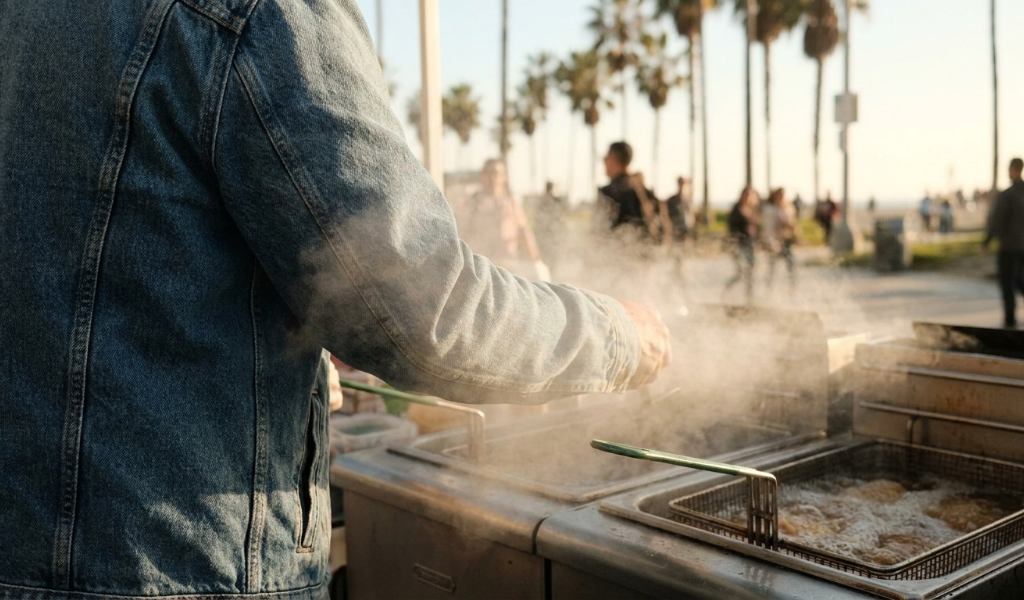
Deep frying atomizes cooking oils into tiny microscopic airborne droplets during food preparation. These volatile lipid particles travel across open living areas and settle onto nearby garments. Consequently, everyday jackets and casual shirts collect invisible layers of greasy culinary residue.
Synthetic fibers like polyester and spandex exhibit strong lipophilic properties. These petroleum-based textiles naturally attract fats and repel plain water molecules during washing. Therefore, commercial frying odors cling tenaciously to modern athletic wear and stretch fabrics.
Natural fibers such as cotton and linen absorb moisture alongside airborne lipid vapors. Their hollow internal structures pull greasy vapor droplets directly into internal thread cores. As a result, food smells remain trapped deep inside heavy denim and twill pants.
Furthermore, ambient sunlight and warmth trigger rapid lipid peroxidation within untreated fibers. This chemical reaction converts neutral cooking oils into sour aldehydes and smelly organic acids. Without prompt washing, these rancid notes intensify significantly over several days.
Why Southern California Climate Intensifies Garment Odors
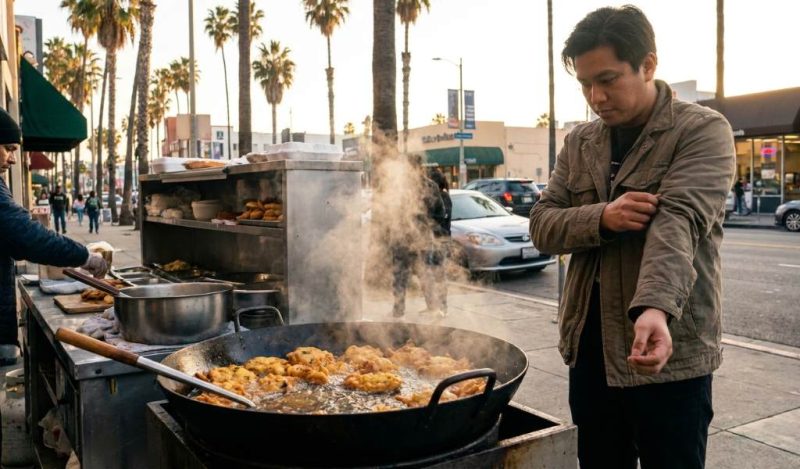
Warm regional weather encourages frequent open-air patio dining near sizzling kitchen exhaust vents. Pungent smoke from street food carts and taco stands circulates freely through breezy outdoor spaces. Consequently, casual evening clothing absorbs heavy culinary fumes before you finish dinner.
Modern coastal residences often feature expansive open-concept layouts connecting kitchens directly with living spaces. Homeowners investing in innovative kitchen bathroom makeovers prioritize proper high-volume exhaust hoods to vent airborne cooking fats. Without dedicated extraction ventilation, greasy vapors drift effortlessly into open closets and coat racks.
Dry desert winds and high indoor temperatures speed up the drying of grease deposits. Once vegetable oil dries onto fabric threads, it forms a water-resistant polymer film. This tough polymer matrix resists standard cold water washing and traps foul odors beneath.
In addition, running interior air conditioning recirculates trapped cooking vapors through closed residential rooms. Microscopic oil droplets land repeatedly on exposed upholstery and hanging garment racks. Therefore, indoor airflow management plays a crucial role in maintaining fresh household textiles.
Pre-Soaking Strategies For Stubborn Fryer Grease
Prompt pre-treatment breaks down hardened vegetable fats before they survive washing machine cycles. Start by sprinkling baking soda or cornstarch directly onto oily collars and cuffs. These absorbent powders pull surface grease away from delicate threads within fifteen minutes.
After brushing off the powder, apply concentrated dishwashing detergent directly to the fabric. Quality dish soaps contain powerful anionic surfactants engineered to dismantle tough cooking oils. When planning expert kitchen remodeling ideas, many cooks install dedicated deep laundry sinks specifically for soaking greasy workwear.
Fill a soaking tub with hot water and add half a cup of washing soda. Submerge the stained garments completely and allow them to soak for one hour. The high alkaline balance softens stubborn oils so standard detergents can wash them away.
Always inspect garment care tags to confirm maximum recommended soaking temperatures before beginning. High heat works wonders on cotton blends but may weaken elastane in stretch garments. Tailoring your pre-soak routine protects garment fit while delivering deep cleaning performance.
Laundering Techniques That Strip Lingering Food Aromas
Washing greasy clothes requires adequate water volume and elevated washing temperatures. Choose heavy-duty liquid detergents containing lipase enzymes that digest stubborn animal and vegetable fats. These specialized biological enzymes break down lipids into water-soluble glycerol molecules during agitation.
Pour one cup of distilled white vinegar into the fabric softener compartment during the cycle. The mild acetic acid dissolves detergent buildup and eliminates lingering fried food smells completely. Comparing cleaning gear in an armor all vacuum vs conventional cleaner review highlights how targeted tools outperform generic options.
Never place clothes smelling of cooking grease directly into an electric dryer. High mechanical heat bakes remaining oil droplets permanently into textile threads. Instead, inspect each item carefully and air-dry garments on outdoor drying lines.
If lingering odors remain noticeable after drying, repeat the wash cycle with oxygen bleach. Oxygen bleach lifts organic odors without causing color loss on dyed cotton garments. This safe additive guarantees thorough odor removal across your entire laundry load.
Protecting Wardrobes While Cooking At Home
Simple kitchen habits prevent airborne grease from settling onto fine apparel during evening meal prep. Always wear a dedicated heavy cotton cooking apron whenever searing meats or frying foods. The apron acts as a physical shield, absorbing oil splatters before they hit your clothes.
Change out of business attire into casual loungewear immediately after returning home from work. Hang your professional blazers and trousers inside closed wardrobe closets far from the kitchen. This simple routine prevents ambient culinary odors from contaminating your tailored office wardrobe.
Turn on kitchen range hoods five minutes before turning on hot frying pans. Establishing early airflow creates negative pressure that pulls grease smoke outdoors immediately. Keep exhaust vents running for ten minutes after cooking concludes to clear the air.
Open adjacent kitchen windows slightly to encourage clean cross-ventilation across your cooking area. Fresh coastal air sweeps through living spaces, pushing heavy culinary smoke outside quickly. This natural airflow prevents pungent food smells from lingering inside interior rooms.
Restoring Outerwear And Dry-Clean-Only Clothing
Structured winter coats and tailored wool blazers cannot endure frequent liquid washing cycles. When these garments absorb restaurant aromas, hang them outside in indirect shade for several hours. Moving fresh air naturally strips volatile aroma molecules from porous woolen weaves.
Use a vertical garment steamer to refresh delicate suits without harsh chemical solvents. The penetrating moisture relaxes compacted wool fibers and releases trapped culinary odors instantly. Allow the garment to dry completely in a ventilated room before returning it to closets.
Fabric refreshing sprays formulated with cyclodextrin also provide excellent deodorizing benefits for heavy jackets. Cyclodextrin molecules trap airborne food compounds within their ring-shaped structures, rendering odors undetectable. Mist the exterior fabric lightly and allow the jacket to dry thoroughly.
Place cedar blocks or activated charcoal bags inside coat closets to maintain lasting freshness. Cedar wood absorbs atmospheric moisture while imparting a crisp, natural forest fragrance. Activated charcoal continuously filters the air, keeping outerwear smelling clean between professional cleanings.
Daily Habits For Long-Lasting Fresh Garments
Consistent wardrobe care habits prevent minor food aromas from developing into permanent textile damage. Inspect your shirts regularly after visiting lively restaurants or hosting weekend dinner parties. Catching faint oil splatters early makes stain removal substantially easier and more effective.
Wash smelly garments promptly instead of letting them sit in warm laundry hampers for days. Stored dirty clothes cross-contaminate clean items with stale odors and airborne grease molecules. Prompt washing maintains fabric brightness and preserves garment longevity over months of wear.
Clean your washing machine drum once per month using hot water and washing soda. Residual cooking oils from prior loads can build up inside rubber door gaskets. A clean machine ensures your freshly laundered garments emerge smelling completely pristine.
Store clean garments in breathable canvas organizers rather than airtight plastic containers. Canvas allows air circulation while protecting clothing from household dust and accidental kitchen vapors. These thoughtful storage practices keep your favorite outfits looking and smelling brand new.
Conclusion
Fried food odors cling tightly to clothing due to the molecular bond between grease and fibers. Understanding how regional warmth and fabric chemistry interact allows you to eliminate odors effectively. Targeted pre-soaking, enzyme detergents, and smart kitchen habits protect your wardrobe from persistent smells.
Start upgrading your garment care routine today to enjoy fresh, odor-free clothing every day. Treat greasy stains promptly and ventilate cooking areas to protect your favorite outfits. Take control of your home laundry methods now for lasting fabric freshness.
Frequently Asked Questions
Why do synthetic shirts smell worse than cotton after frying food?
Synthetic fibers are oleophilic and naturally bind with airborne cooking fats much faster.
Can cold water washing remove deep fryer oil smells?
Cold water cannot melt hardened fats, so warm or hot water is essential.
Will regular fabric softener help mask lingering food smells?
Fabric softeners coat fibers with wax that traps food odors inside fabric permanently.
How does baking soda eliminate greasy cooking odors from clothes?
Baking soda absorbs surface oil and neutralizes acidic aroma compounds through gentle alkalinity.
Is it safe to use dish soap on delicate cotton blouses?
Mild dish soap is safe when diluted with water and rinsed out thoroughly.
