
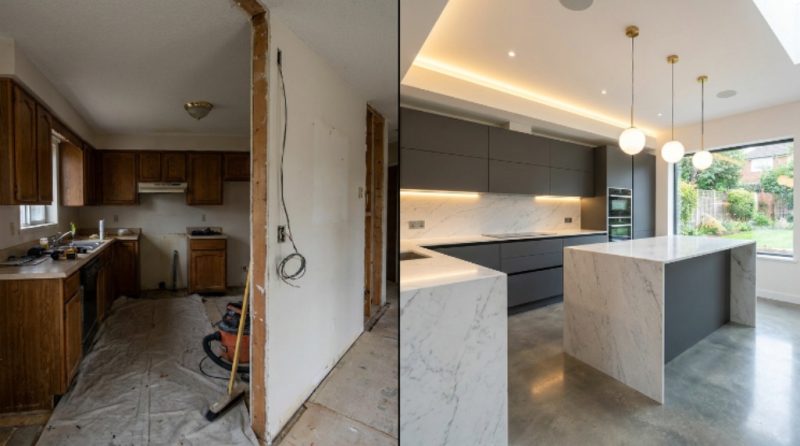
A seamless kitchen renovation starts with a clear plan, a realistic budget, and coordinated project management. The most effective solution combines thoughtful design, skilled craftsmanship, and consistent communication from the first concept through final installation.
Studies show that kitchen renovations remain among the most valuable home improvements for resale potential. Additionally, homeowners increasingly prioritize functional layouts, energy efficient features, and durable materials that support daily living while improving long term property value.
Why Seamless Kitchen Renovation Matters
A kitchen renovation affects how a household functions every day. Therefore, a smooth process reduces stress and prevents costly delays.
Many renovation problems stem from poor planning and unclear expectations. However, a structured approach keeps every stage aligned with the original vision.
A successful renovation balances aesthetics with functionality. As a result, homeowners enjoy a space that looks beautiful and performs efficiently.
Building the Foundation With a Clear Vision
Every great kitchen begins with a well defined concept. Before selecting materials, determine how the space should support daily routines.
Think about cooking habits, storage requirements, and entertaining needs. Furthermore, consider how family members move throughout the room.
Strong planning helps eliminate unnecessary changes later. Consequently, projects stay closer to schedule and budget targets.
Define Your Primary Goals
Start by identifying the renovation’s main purpose:
- Improve workflow and efficiency
- Increase storage capacity
- Modernize outdated features
- Create better lighting conditions
- Support entertaining and gatherings
- Increase property value
Clear objectives guide every future decision. Therefore, design choices become easier and more consistent.
Understand Your Lifestyle Needs
A kitchen should reflect actual usage patterns. For example, frequent cooks require different solutions than occasional meal preparers.
Likewise, large families often need expanded storage and seating. Meanwhile, smaller households may prioritize open space and simplicity.
Creating a Practical Renovation Plan
Planning transforms ideas into actionable steps. Without a roadmap, even attractive designs can encounter serious obstacles.
A detailed renovation plan outlines priorities, timelines, and responsibilities. Consequently, all participants understand project expectations.
Develop a Realistic Budget
Budget planning should include both expected and unexpected costs. Moreover, setting contingency funds provides protection against surprises.
Consider major cost categories:
- Cabinetry
- Countertops
- Flooring
- Appliances
- Lighting
- Plumbing updates
- Electrical work
- Labor expenses
Careful budgeting supports smarter decision making. Therefore, homeowners avoid compromising critical project elements later.
Establish a Project Timeline
Every renovation follows a sequence of activities. First, planning and design occur before material ordering and construction.
Next, demolition and infrastructure work begin. Finally, installation and finishing details complete the transformation.
Realistic schedules account for material lead times. As a result, project momentum remains steady throughout construction.
Designing a Kitchen That Works
Design influences both appearance and functionality. Therefore, every element should support the overall purpose of the space.
Successful kitchens create harmony between movement, storage, and visual appeal. Additionally, they adapt to changing household needs.
Optimize Layout Efficiency
Layout decisions affect daily convenience more than decorative choices. Consequently, efficient positioning deserves special attention.
Common layout options include:
- Galley kitchens
- L shaped kitchens
- U shaped kitchens
- Island centered kitchens
- Open concept kitchens
Each layout offers unique advantages. However, the best choice depends on available space and household requirements.
Focus on Workflow
Efficient movement reduces unnecessary steps during meal preparation. Therefore, appliances and work zones should remain logically connected.
Preparation, cooking, and cleanup areas benefit from thoughtful placement. As a result, daily tasks become faster and more comfortable.
Maximize Storage Solutions
Storage remains a top renovation priority for many homeowners. Moreover, modern solutions improve accessibility and organization.
Popular storage enhancements include:
- Deep drawers
- Pull out shelving
- Corner storage systems
- Pantry organization units
- Hidden appliance storage
These features help reduce clutter significantly. Consequently, kitchens appear cleaner and function more effectively.
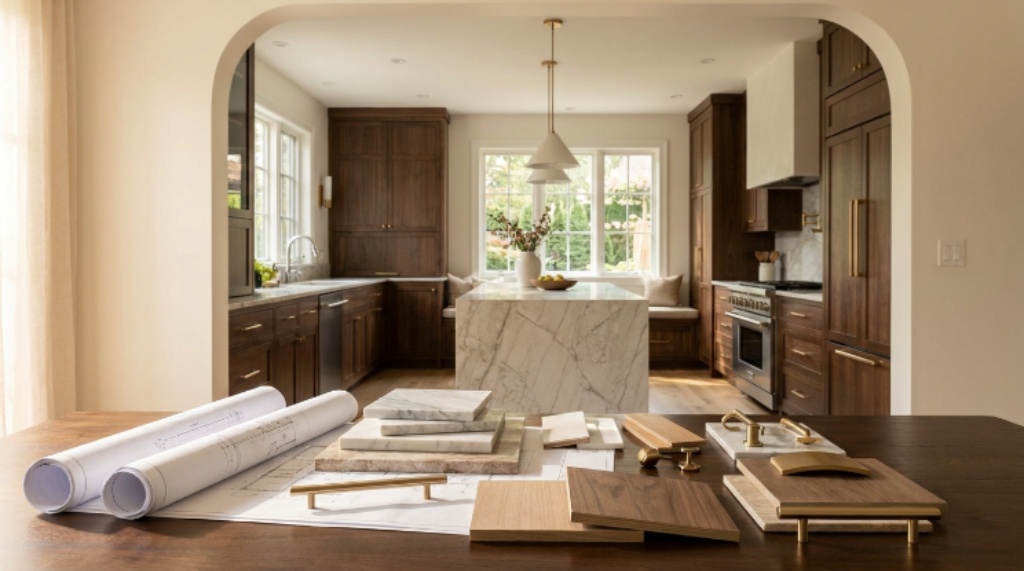
Selecting Durable Materials
Material selection influences longevity, maintenance requirements, and overall value. Therefore, quality should remain a priority throughout the process.
While appearance matters, durability often delivers greater long term satisfaction. Furthermore, resilient materials withstand daily wear more effectively.
Countertop Considerations
Countertops experience constant use throughout the day. Consequently, they require both strength and visual appeal.
Popular choices include quartz, granite, and solid surface materials. Each option offers different benefits regarding maintenance and durability.
The ideal selection depends on lifestyle preferences. Therefore, evaluate performance alongside aesthetic considerations.
Cabinetry Choices
Cabinets often define the visual identity of a kitchen. Additionally, they represent a significant portion of renovation investment.
Quality construction improves longevity and functionality. As a result, well built cabinetry continues performing effectively for years.
Flooring That Supports Daily Life
Kitchen flooring faces moisture, foot traffic, and frequent cleaning. Therefore, durability should remain a key selection factor.
Many homeowners choose luxury vinyl, tile, or engineered wood. These options balance practicality with attractive design.
Integrating Modern Technology
Technology continues shaping contemporary kitchen design. Consequently, many renovations now include intelligent features and connected systems.
Smart solutions enhance convenience while improving energy efficiency. Furthermore, they support more streamlined daily routines.
Smart Appliances
Modern appliances offer advanced functionality and improved performance. For example, connected ovens provide remote monitoring capabilities.
Likewise, smart refrigerators assist with inventory management. Therefore, technology can simplify everyday kitchen tasks.
Efficient Lighting Systems
Lighting impacts both productivity and atmosphere. Consequently, layered lighting strategies deliver superior results.
Consider combining:
- Task lighting
- Ambient lighting
- Accent lighting
- Under cabinet lighting
Together, these elements create a balanced environment. As a result, the kitchen remains functional throughout the day.
Managing Construction Effectively
Construction represents the most visible renovation phase. Therefore, organization and communication become especially important.
Projects run more smoothly when responsibilities remain clearly defined. Additionally, regular updates prevent misunderstandings and confusion.
Coordinate Skilled Professionals
Successful renovations often involve multiple specialists. For example, electricians, plumbers, installers, and finish carpenters may participate.
Effective coordination keeps work progressing efficiently. Consequently, delays and conflicts become less likely.
Maintain Open Communication
Communication strengthens collaboration throughout the renovation. Therefore, homeowners should remain informed about progress and challenges.
Frequent discussions allow quick problem resolution. As a result, projects stay aligned with expectations.
Avoiding Common Renovation Mistakes
Even well planned projects can face challenges. However, awareness helps prevent many common issues.
Small mistakes often create significant complications later. Therefore, proactive decision making remains essential.
Common renovation errors include:
- Ignoring workflow considerations
- Underestimating budgets
- Selecting style over function
- Choosing low quality materials
- Making frequent design changes
- Overlooking storage requirements
Avoiding these mistakes improves project outcomes considerably. Consequently, homeowners experience greater satisfaction after completion.
Bringing the Final Vision Together
The final stage focuses on refinement and quality assurance. Therefore, attention shifts toward details and finishing touches.
Cabinet hardware, lighting adjustments, and decorative elements complete the transformation. Moreover, these details help unify the entire design.
A thorough inspection identifies any remaining concerns. As a result, corrections occur before project completion.
Long Term Benefits of a Seamless Renovation
A successful kitchen renovation delivers value beyond visual improvements. Additionally, it enhances daily comfort and efficiency.
Improved layouts save time during routine activities. Meanwhile, modern materials reduce maintenance demands over the years.
Well executed renovations also strengthen property appeal. Therefore, homeowners benefit both immediately and in the future.
Conclusion
From initial planning to final installation, seamless kitchen renovation solutions depend on preparation, collaboration, and smart decision making. By focusing on functionality, quality materials, and effective project management, homeowners can create a kitchen that supports daily living while increasing long term value.
If you are considering a kitchen renovation, start with a detailed plan and partner with experienced professionals who can guide every phase confidently from concept to completion.
FAQs
How long does a typical kitchen renovation take?
Most kitchen renovations require several weeks to a few months depending on project complexity.
What is the most important part of kitchen renovation planning?
Clear goals and a realistic budget form the foundation of a successful renovation.
Should I prioritize design or functionality?
Functionality should guide design decisions to ensure long term satisfaction.
How can I reduce renovation delays?
Order materials early and maintain consistent communication with project professionals.
Which kitchen upgrade provides the greatest value?
Quality cabinetry, efficient layouts, and durable surfaces typically provide strong long term value.
