
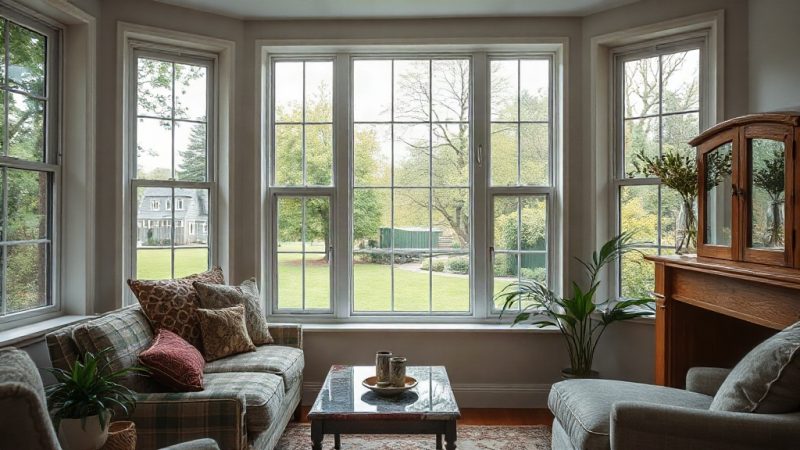
Homeowners across Ireland are asking the same question right now: which window upgrade actually earns its keep in a wet, windy, energy-conscious climate? The Top Window Trends for Irish Homes This Year point toward warmer frames, slimmer sightlines and smarter glazing rather than cosmetic changes alone.
Quick answer: Prioritise triple glazing with a warm-edge spacer and a well-sealed frame before you chase style. A-rated units with a U-value near 0.8 W/m²K cut heat loss and street noise at the same time. Pick a certified installer who handles Building Regulations Part L compliance, and expect the fitting to matter as much as the glass.
This guide rounds up five trend-led window options, compares them side by side, and explains the trade-offs on cost, comfort and kerb appeal. You will finish knowing which choice suits a period cottage, a suburban semi-D or a new build.
Quick picks at a glance
Five options dominate Irish showrooms this year. Each one maps to a different budget and house type, so match the pick to your walls before you fall for a brochure photo.
Prices rise from the budget double-glazed pick to the slim aluminium heritage option, roughly in that order. Suppliers quote on window size and finish, so the ranking below is about priorities, not a price list. Read each pick as a starting point for your shortlist rather than a final answer.
Best overall: triple-glazed uPVC tilt-and-turn
This is the safest all-rounder for most Irish homes. The tilt-and-turn mechanism lets you crack the top for ventilation without leaving a window open to rain. Modern uPVC profiles now come in anthracite and chartwell green finishes that mimic aluminium at a lower price.
- Pros: Strong thermal performance, low maintenance, wide colour range, tilt mode suits wet weather.
- Cons: Bulkier frames than aluminium, recycled-plastic look divides opinion, cheaper handles wear first.
Best for period homes: slim-profile aluminium with heritage glazing
Aluminium frames with a narrow sightline suit Georgian and Victorian façades. You keep more glass and less frame, which matters when the original openings are tall and narrow. Powder-coated finishes hold up well against Atlantic weather.
- Pros: Slim frames maximise daylight, colourfast finish, excellent for large panes, recyclable material.
- Cons: Higher cost than uPVC, aluminium conducts heat unless thermally broken, needs a skilled fitter.
Best for kerb appeal: composite (timber-core) windows
A timber core wrapped in aluminium or uPVC gives you the look of painted timber with a tougher outer skin. These are popular with homeowners restoring cottages who want authentic proportions. You get real wood inside and weatherproof cladding outside.
- Pros: Warm interior feel, paint-free exterior, strong heritage look, good acoustic damping from the timber core.
- Cons: Premium price, heavier units need sturdy openings, lead time often runs longer than uPVC.
Best for noise: acoustic laminated glazing
If you live near a busy road, rail line or airport flight path, the glass choice matters more than the frame. Acoustic laminated panes use a special interlayer that damps sound far better than standard double glazing. Pair them with a rigid frame for the best result.
- Pros: Noticeable noise reduction, adds security through the laminate, works with most frame types.
- Cons: Adds cost per pane, heavier units, needs airtight fitting to perform well.
Best budget refresh: high-performance double glazing
For a tight budget, modern double glazing has improved a lot. A-rated double-glazed units with argon fill and warm-edge spacers close much of the gap to basic triple glazing. They suit mild, sheltered sites and homes where the upgrade is part of a wider renovation.
- Pros: Lowest upfront cost, big jump from single glazing, quicker supply, lighter units.
- Cons: Weaker than triple glazing on very exposed sites, shorter lifespan than premium frames, less noise control.
Comparison table
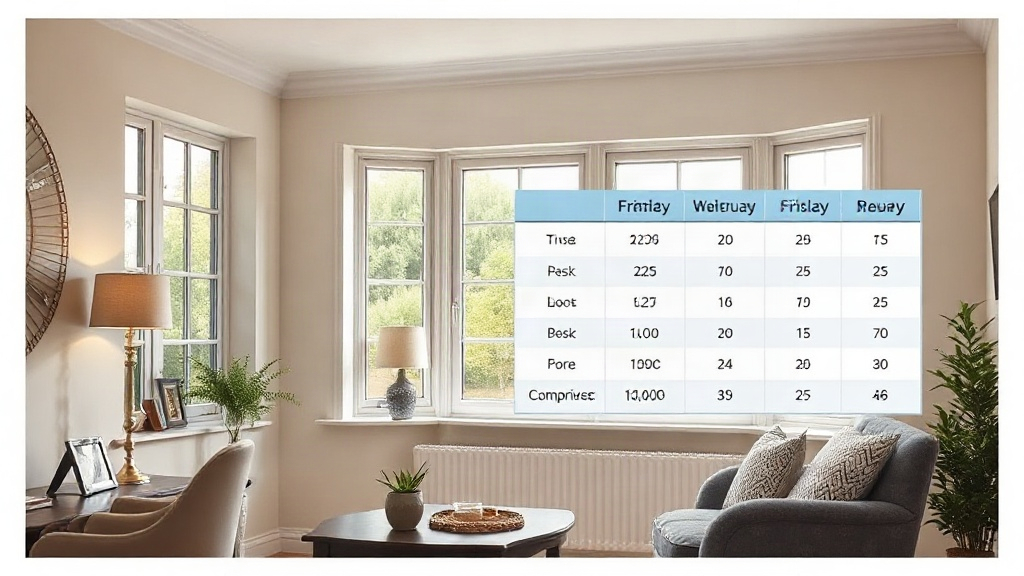
Comparison: five window trends side by side
The table below compares each pick on thermal performance, typical relative cost, and the house type it suits best. Treat the cost column as a relative guide rather than a quote, because Irish prices vary with size, finish and installation.
| Option | Typical U-value | Relative cost | Best suited to |
|---|---|---|---|
| Triple-glazed uPVC tilt-and-turn | ~0.8 W/m²K | Moderate | Semis, estates, most family homes |
| Slim aluminium heritage | ~0.9 W/m²K | High | Period homes, large openings |
| Composite timber-core | ~0.8 W/m²K | High | Cottages, restoration projects |
| Acoustic laminated glazing | ~1.0 W/m²K | Moderate to high | Roads, rail, flight paths |
| High-performance double glazing | ~1.2 W/m²K | Low | Budget refreshes, sheltered sites |
Notice how the U-values cluster. The gap between a good triple-glazed unit and a quality double-glazed unit is smaller than most people expect. The frame and fitting often decide the real-world difference more than the number of panes.
Two figures rarely appear in showroom tables but change real-world results: solar gain and air leakage. A south-facing window with a high g-value collects free winter heat, which helps a living room but can overheat a small box bedroom. Ask for the g-value alongside the U-value, and check the documented air permeability of the frame and seal system.
Weight matters too. A triple-glazed unit in a wide opening can weigh far more than the double-glazed sash it replaces, so the opening, lintel and hinges must carry it. Fitters sometimes discover this on the day, which delays the job. Confirm the unit weight and the reinforcement spec before you order.
Finally, compare warranties on equal terms. Glass, frame, hinges and labour often carry different periods, and some covers shrink if the installer is not on an approved scheme. Line up the durations side by side for all five options, because the cheapest quote frequently hides the shortest cover.
A painted-on U-value means little if cold air leaks around the frame. Ask about the whole-window rating and the installer’s sealing method.
Individual reviews of the top picks
Each review below explains what the option does well, where it falls short and which Irish house type it fits. Treat the pros and cons as a starting filter, then check the detail against your own walls and exposure before you shortlist two or three for quotes.
Triple-glazed uPVC tilt-and-turn
This remains the default recommendation for Irish family homes. The tilt function lets you ventilate in driving rain, which is a genuine advantage here. Expect solid performance on heat retention and a manageable price.
- Pros: Easy to clean from inside, strong draft sealing, wide choice of woodgrain foils, parts widely available.
- Cons: Frame depth can reduce glass area, hinges need occasional adjustment, cheap models feel light.
Slim aluminium heritage
The narrow sightline is the selling point. On a tall sash-style opening, a slim frame can add real daylight to a room. Thermally broken profiles avoid the cold-metal problem of older aluminium.
- Pros: Sleek look, durable powder coat, works well with large fixed panes, low maintenance.
- Cons: Highest cost of the five, thermal breaks need quality control, fitting errors show quickly.
Composite timber-core
This option wins on character. Timber inside softens a room, while the outside skin shrugs off rain without repainting. It pairs well with stone cottages and homes in heritage areas.
- Pros: Authentic proportions, moisture-resistant exterior, good sound and heat performance.
- Cons: Longest lead times, heaviest units, repairs to the outer skin need a specialist.
Acoustic laminated glazing
If noise disturbs your sleep, this is the upgrade to prioritise. The laminated interlayer absorbs traffic and rail rumble in a way ordinary glass cannot. Combine it with airtight frames for the full effect.
- Pros: Clear drop in perceived noise, added security, available across frame types.
- Cons: Costs more per pane, heavier sashes, less benefit if frames leak air.
High-performance double glazing
The value pick. Upgrading from single glazing to a modern double-glazed unit transforms warmth and comfort. It is worth real money, even if it does not reach triple-glazed figures.
- Pros: Lowest entry price, quick lead times, big step up from single glazing.
- Cons: Weaker on very exposed west-coast sites, shorter expected lifespan, less noise control.
Buying guide: how to choose
Start with the house, not the brochure. The right choice depends on wall thickness, exposure and how the opening is used. Work through the points below before you request quotes.
Request each quote in writing with the glass make-up, spacer type, frame profile, ironmongery brand and sealing method named. Verbal promises about “A-rated” glass vanish when a dispute arises. A short written spec also lets you compare like with like when three suppliers quote three different products.
Match the window to your walls and era
Period cottages often have shallow reveals that limit frame depth. Deep reveals suit triple-glazed units with wider frames. A heritage home may also sit in an area where planners expect specific proportions or materials.
Understand U-values and BER
Windows are scored on their U-value, which measures heat loss. Lower is better. A quality triple-glazed unit can reach around 0.8 W/m²K, while a good double-glazed unit sits near 1.2 W/m²K. Your window choice feeds directly into your home’s BER, which matters if you plan to sell or claim certain grants.
Weigh exposure to wind and rain
A house on an exposed hillside or Atlantic coast faces driving rain that tests every seal. In those locations, invest more in airtight fitting and rigid frames. Sheltered inland sites can often justify double glazing.
Check the installer, not just the product
Certification matters. Look for membership of an accredited installer scheme and confirm the fitter handles Building Regulations Part L. Ask how they seal around the frame and who covers the warranty. A poor fit undoes good glass every time.
Compare quotes on the same specification
Ask every supplier to quote the same U-value, glass make-up and finish. Then compare total installed prices rather than window-only prices. Grants may apply to qualifying upgrades, so check current criteria before you sign.
Stand inside and hold a lit candle near the closed frame on a windy day. Flicker points to a draft the installer should fix before payment.
FAQ
How much do new windows cost in Ireland?
Prices vary widely with size, frame material and glazing. Always ask for an installed cost, not a window-only figure. Compare at least three quotes on the same specification. Grant eligibility can change, so confirm current terms directly.
Are triple-glazed windows worth it in Ireland?
For most occupied family homes, yes. They cut heat loss, reduce condensation and quieten rooms. The benefit is largest in exposed or noisy locations. On a sheltered site with a tight budget, good double glazing can be a sensible compromise.
How long does installation take?
A typical semi-detached house takes one to three days for the main windows. Composite and heritage orders can add weeks to the lead time. Book installation for a dry spell where possible. Weather still sets the pace in winter.
What is the biggest mistake homeowners make?
Choosing glass before checking the fitting. A premium unit in a poorly sealed opening leaks heat and lets in drafts. Vet the installer’s certification and sealing method first. Then decide on the product.
Final verdict
The Top Window Trends for Irish Homes This Year reward comfort and craft over trend-chasing. Triple-glazed uPVC tilt-and-turn units win for most households on value and performance. Period homes should lean toward slim aluminium or composite frames to protect their character. Noise-sensitive sites justify acoustic glazing.
Pick triple-glazed uPVC for a typical semi-d, slim aluminium for a period façade, and acoustic glazing near busy roads. Whatever you choose, vet the installer as carefully as the glass.
Book two or three quotes on identical specifications this week, and ask each fitter how they seal and certify the job. That single step protects your investment more than any brochure finish.
