
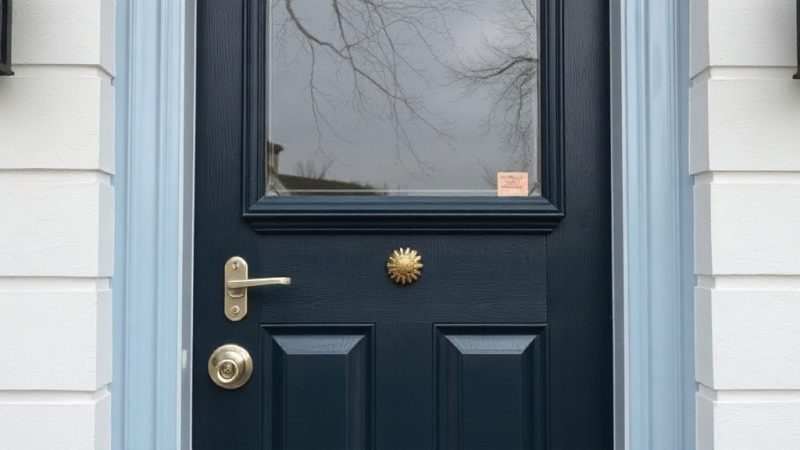
Choosing the Right Front Door for Irish Weather starts with one honest question: will this door still look and work the same after ten wet winters? Ireland throws rain, wind and salt air at a front door all year, and a door that suits a dry climate can fail here within a few seasons. The wrong choice shows up as swollen timber, sticking hinges, peeling paint or a draught you cannot trace.
Quick answer: Pick a door built for wind-driven rain: a solid or insulated core, a proven weather seal, and a finish suited to damp air. Timber, uPVC, aluminium and composite all work if specified correctly. Prioritise drainage, sealed edges and correct fitting over looks alone.
This article explains what Irish weather does to a front door, why the details matter, and how to choose and fit one that lasts. You will finish knowing which materials and features to insist on.
What is Choosing the Right Front Door for Irish Weather?
It means matching a door’s material, construction and finish to the Irish climate rather than to a showroom photo. Atlantic storms drive rain sideways, so water reaches places a calm drizzle never touches. Wind pressure pushes moisture into tiny gaps around the frame, threshold and letterbox. A well-chosen door resists that pattern for years.
The forces your door actually faces
A typical Irish front door endures frequent rain, gusty winds and high humidity. Coastal homes add salt-laden air, which attacks metal fixings and exposed hinges. West-facing doors take the worst of it. Each of these pressures targets a different part of the door:
- Rain attacks the bottom rail, threshold and any unsealed joint.
- Wind finds weak draught seals and forces water inward.
- Humidity swells timber and can warp poorly protected panels.
- Salt air corrodes cheap handles, hinges and screws.
A door that handles all four is not necessarily expensive. It simply has the right build details in the right places.
Materials compared
Each material has a character that suits certain homes. The right pick depends on exposure, budget and how much upkeep you accept.
Comparison: common front door materials for Irish homes
The table shows how each material behaves in wet, windy conditions.
| Material | Weather resistance | Upkeep | Notes |
|---|---|---|---|
| Timber | Good if sealed properly | High — repaint every few years | Warm look, needs shelter from direct rain |
| uPVC | Good, sealed units last well | Low | Watch for cheap units that distort |
| Aluminium | Very good, resists rot | Low | Powder-coated finishes hold up well |
| Composite | Very good, stable core | Low | Resembles timber without swelling |
Notice that timber is not a bad choice. It just demands a protected position and regular maintenance. uPVC and composite suit exposed sites with less fuss.
The features that do the real work
A door lives or dies by its edges. The seal, threshold and frame carry most of the weatherproofing load. Look for a multi-point locking system with several seal lines, not a single strip. A raised threshold with proper drainage stops water pooling at the base. A door canopy or porch helps more than most buyers expect.
A modest door under a porch often outlasts a premium door fully exposed to the Atlantic. Shelter a door where you can.
A weather-tested door carries certification for wind and water resistance. Ask the supplier for that evidence. It separates a door built for Irish rain from one designed for warmer climates.
Key takeaway: choose the material for your budget and taste, but judge the door on its seals, threshold and fitting.
Why Choosing the Right Front Door for Irish Weather matters
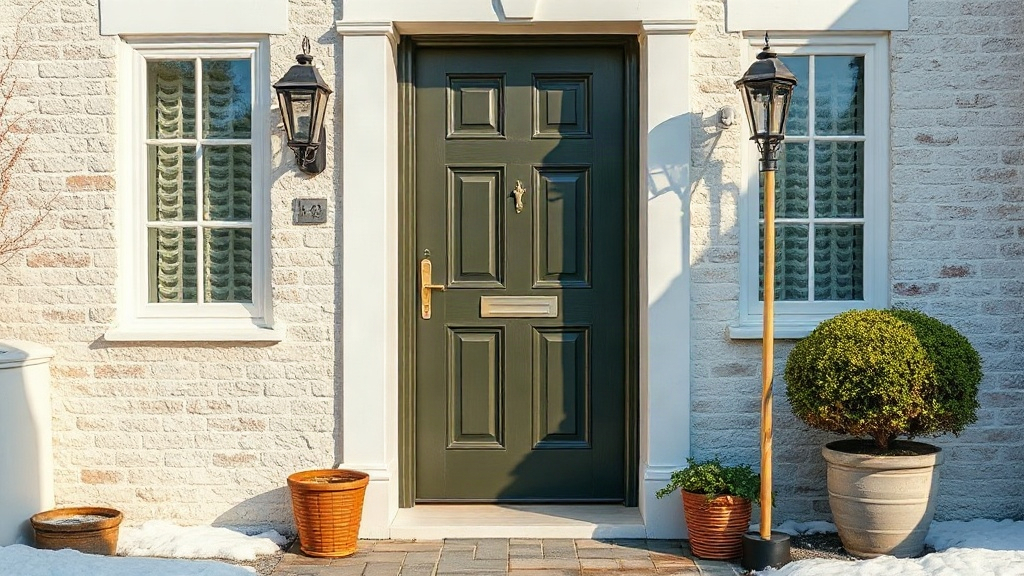
A front door is one of the few parts of a home that faces the weather on every side of its life. It seals your home, welcomes visitors and sets the tone of the house. When it fails, the costs spread beyond the door itself.
Comfort and heating costs
A drafty door leaks warm air all winter. Cold air slips under the threshold and around the frame, so the hallway never feels warm. A well-sealed door with an insulated core reduces that heat loss. You feel the difference on a windy evening, and your heating bill reflects it over a season.
Damage that spreads
Water getting past a door rarely stays at the door. It soaks into the floor, stains plaster and can reach the wall structure. Timber frames that stay damp begin to rot. By the time a stain appears indoors, the damage has usually been building for months. A door that drains and seals properly prevents that chain early.
Security and peace of mind
Storm-battered doors can become loose or misaligned, which weakens locks over time. A solid door with a multi-point lock and a reinforced frame keeps its shape and security. Cheap doors can warp in damp air, so locks stop lining up cleanly. One honest consideration: a good door deters intruders while staying easy to use every day.
Kerb appeal and resale
Your front door is the first thing anyone sees. A door that swells, sticks or peels in the rain sends a signal about the whole house. A sound, well-finished door improves how the home looks and how buyers judge it. Check that any warranty covers Irish weather conditions, not just a general promise.
Key takeaway: the right door protects comfort, structure and security at once, so it deserves careful selection.
Best practices
Good choices cluster around a few habits. Follow these and most weather problems never start.
Specify for your exposure
Coastal and west-facing homes need more protection than a sheltered townhouse. On exposed sites, favour aluminium or composite, add a canopy and insist on sealed metal fixings rated for coastal air. Inland, sheltered homes can safely choose timber with a good finish.
Measure the opening carefully before ordering. A door that sits slightly too tight or too loose will leak no matter how good it is. Allow for the frame, clearance and threshold height.
Insist on proper seals and drainage
Check the full seal system, not just a strip of rubber. A good door has:
- A multi-point locking system with seal lines around the whole frame.
- A threshold that sheds water outward, not inward.
- A weatherbar or drip detail above the door.
- Sealed edges on glass panels.
Ask the fitter how water drains from the threshold. If the answer is vague, look for another door.
Get the fitting right
Even a superb door fails if it hangs badly. A competent installer aligns the frame, secures it to the structure and adjusts the hinges so the seals close evenly. Proper fitting takes time and should be priced in. Choose an installer with experience of Irish conditions and ask to see past work.
Plan for maintenance from day one
Every door needs some care. Timber wants repainting every few years, and hinges benefit from occasional lubrication. Check seals each autumn before the storms arrive. Salt air means wiping coastal hardware more often. Budget a little time each year; it is far cheaper than replacement.
Run a finger around the seals and check the threshold for gaps each October. Small fixes now prevent leaks in January.
Key takeaway: specify for exposure, verify seals and drainage, fit it well, and maintain it yearly.
Common mistakes to avoid
Most door failures trace back to avoidable decisions. These are the ones worth knowing before you spend.
Choosing on looks alone
A beautiful showroom door can hide weak seals or a thin core. New buyers often pick a finish they love and overlook the construction. Ask what the door is built from, how it seals and which tests it has passed. The finish matters, but it ranks after performance.
Buying the cheapest unit
Budget doors often use thin frames and single seal strips. They may pass a showroom test and still struggle with driving rain. The price difference rarely covers the cost of early replacement or repair. Mid-range units from reputable makers usually offer far better value.
Skipping the shelter
A door fully exposed to wind-driven rain faces the hardest test. A small canopy or porch gives years of extra life for modest cost. Many leaks happen at the top edge, where rain runs straight down the face. Shelter interrupts that flow.
Ignoring the threshold
The threshold is where most water enters. A flat, poorly drained sill lets water pool against the door base. Choose a raised or drained threshold and check it faces the right way. This detail is easy to miss in a brochure.
Poor installation and no maintenance
A great door fitted badly will leak and stick. So will a well-fitted door that nobody checks. Pair a good product with a careful installer and a simple annual inspection. Check the warranty covers both the product and the fitting.
Water damage from a badly fitted door may not be covered if the cause is poor installation. Keep documents and warranties safe.
Key takeaway: judge performance over looks, invest a little more, shelter the door, watch the threshold and maintain it.
FAQ
How much should I budget for a weather-ready front door?
Prices vary widely by material and size. A solid uPVC or composite door generally costs more than a basic timber one, but needs less upkeep. Include fitting, a canopy and any threshold work in your budget. Get at least three quotes for the door and installation together.
Which material is best for a coastal home?
Aluminium and composite hold up best against salt air and driving rain. Choose sealed, corrosion-resistant fixings and avoid cheap metal fittings. Timber can work in a sheltered spot if you keep up with painting.
Can I fit the door myself to save money?
Only if you have real experience with door frames and weather sealing. Poor fitting is the most common cause of leaks and draughts. A professional install usually costs less than repairing a bad DIY job.
How often should I check the seals?
Check them at least once a year, ideally in early autumn before storm season. Replace worn rubber strips before they fail. Coastal homes should inspect more often because salt speeds up wear.
Does a canopy really make a difference?
Yes, especially on exposed sites. A canopy shelters the door face and top edge from direct rain. Even a modest overhang extends the life of the finish and reduces leaks.
Conclusion
Choosing the Right Front Door for Irish Weather comes down to matching the door to what your site actually faces. Prioritise a solid core, full seal lines, a drained threshold and correct fitting. Match the material to your exposure and budget, shelter the door where you can, and check the seals each autumn. A little planning now saves repeated repairs later. Ready to move? Get quotes from installers with experience in your local conditions and ask to see their previous work before you commit.
