
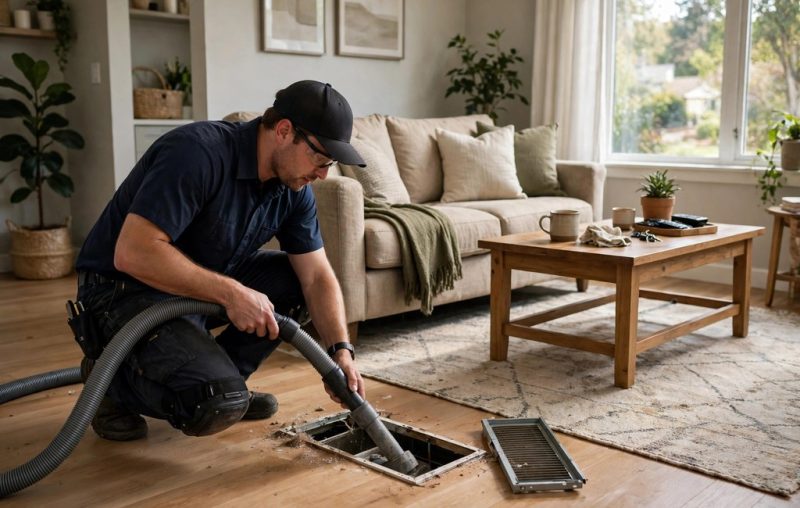
Ask three people how often ducts should be cleaned and you’ll hear “every year,” “every five years,” and “never, it’s a scam.” Each answer contains a grain of truth, and none of them fits every home.
The real answer depends on who lives in your house, what’s happened to it, and what condition the ducts are in. This guide helps you work out a sensible schedule for your situation, so you neither waste money nor ignore a problem that deserves attention.
Is there a standard schedule for residential duct cleaning?
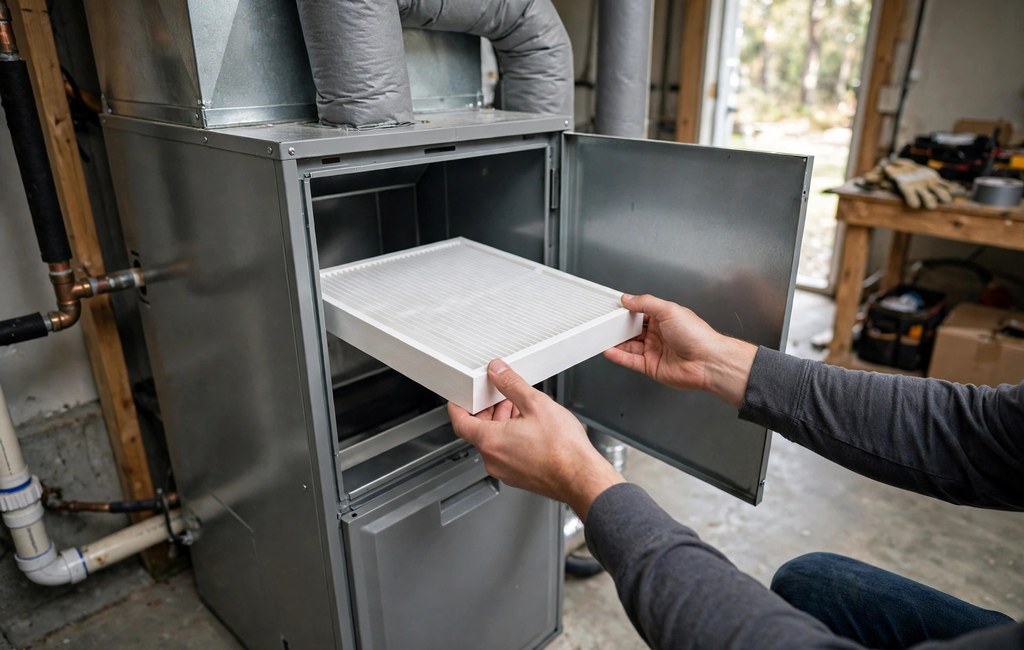
Not an official one. The EPA says there is no evidence that routine duct cleaning is needed for every home, and that it should be considered when specific conditions exist. Industry groups often cite a range of roughly three to five years as a rule of thumb, but that’s a starting point, not a rule. Think of it as a menu of situations, not a calendar date.
How often does your type of household need it?
- Typical household with good filters and no major issues. Often several years between cleanings. Focus on filter changes and inspect the ducts if you notice problems.
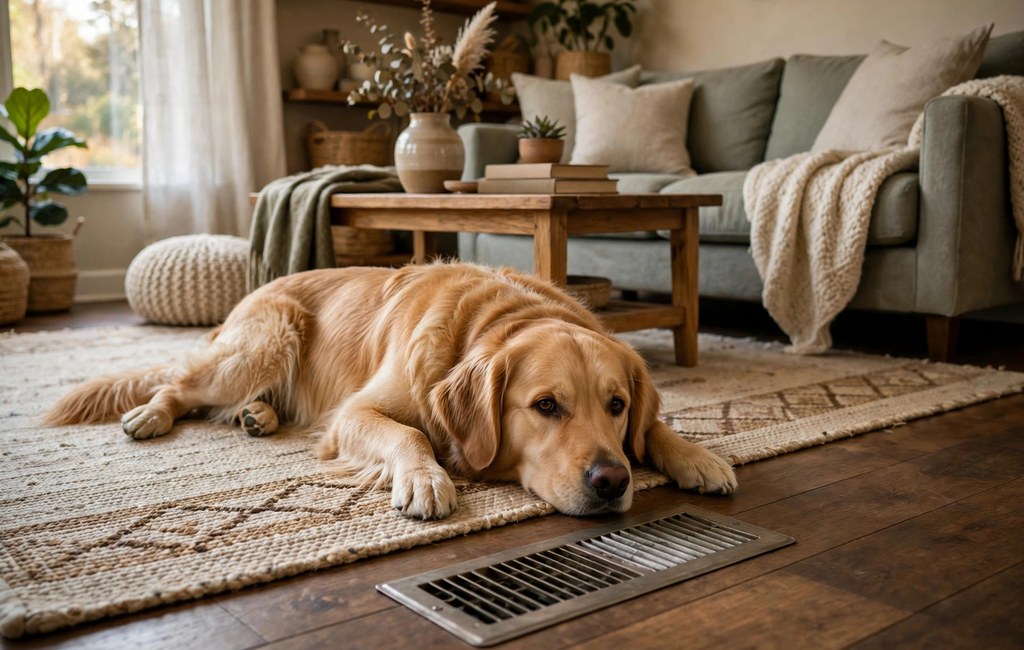
- Homes with pets. Dander and hair build up faster. Shorter intervals, or a closer look every couple of years, make sense.
- Households with allergy or asthma sufferers. Cleaning may help reduce visible debris, but pair it with better filtration and moisture control. Talk with your doctor as well.
- Smokers. Smoke residue can coat ducts and linger as odor. Cleaning more often is reasonable.
- After renovation or construction. Fine drywall, sawdust, and tile dust can reach the ducts. Clean after the work is complete.
- New home or move-in. Builders’ debris is common in new construction, and a used home’s history is unknown. An inspection before moving in is a smart move.
- After water damage or pest activity. Clean, and fix the source, as soon as it is safe to do so.
What signs suggest it’s time to clean your ducts?
Look for evidence you can verify, not just a feeling that the air seems stale:
- Visible dust, debris, or fibers blowing out of supply registers.
- Dust or dirt buildup you can see when you look into the ducts with a flashlight.
- Evidence of rodents or insects, including droppings or nesting material.
- A persistent musty odor, especially when the system starts, which may indicate moisture or mold.
- Visible mold on registers or inside the ducts.
Some signs aren’t as reliable as they seem. Weak airflow, uneven room temperatures, and high energy bills can come from dirty filters, leaks, closed dampers, or aging equipment. Rule those out before paying for a cleaning.
What won’t duct cleaning fix?
Understanding the limits saves money. Cleaning won’t repair leaky or disconnected ducts, correct an undersized or oversized system, or stop moisture problems that cause mold. It won’t remove dust that comes from inside your home, like pet dander and carpet fibers, and it can’t turn a poor filter into a good one. In many cases, sealing leaks and upgrading filtration to a grade your system can handle gives you more benefit than repeated cleanings.
How can you stretch the time between cleanings?
- Change filters every one to three months, or as the manufacturer recommends, and make sure they fit snugly.
- Seal duct leaks with mastic or foil tape rated for ducts.
- Keep registers and returns vacuumed and unblocked.
- Cover return vents during renovations, and replace the filter once the work is done.
- Control humidity between 30 and 50 percent to discourage mold.
- Schedule annual HVAC maintenance, which helps catch moisture and drain problems early.
Should you clean before or after a move, a remodel, or a sale?
Timing matters more than the calendar. If you’re remodeling, wait until the dusty work is finished, since cleaning mid-project means doing it twice. If you’re moving into a home, an inspection before you unpack is easier than working around furniture later, and it tells you whether the previous owners left debris, pet hair, or moisture damage behind. And, if you’re selling, cleaning isn’t usually required, but a clean, odor-free system removes one potential objection during a buyer’s inspection. In each case, ask the contractor to show you what’s inside the ducts before you agree to any work.
How should you prepare for a residential duct cleaning?
Clear a path to the registers and the air handler, move small furniture and rugs away from vents, secure pets, and plan for a few hours of vacuum noise. Ask the technician to show you the ducts before and after. Once the work is done, install a fresh filter so the cleaned system starts with a clean slate.
Frequently asked questions about residential duct cleaning
Is duct cleaning really necessary for every home?
No. The EPA says it isn’t needed routinely for every home. It makes the most sense in situations such as visible mold, pest activity, heavy debris, or after construction.
How long does it take to clean the ducts in a house?
Many single-family homes take a few hours. Larger homes, multiple systems, or heavy contamination can take longer.
Should I clean my ducts before selling my house?
It isn’t required in most cases, but if an inspection shows visible debris, odor, or mold, cleaning can remove an objection before buyers raise it.
Can I clean my own ducts?
You can vacuum registers and the visible parts of the boot. Cleaning the full system properly requires specialized equipment, and amateur methods can spread dust through the house.
Not sure if your home needs it?
We’ll inspect your ducts, show you what’s there, and give you an honest recommendation, even if the answer is “not yet.” Contact us today to book a no-pressure home inspection and get a schedule that fits your household.
