
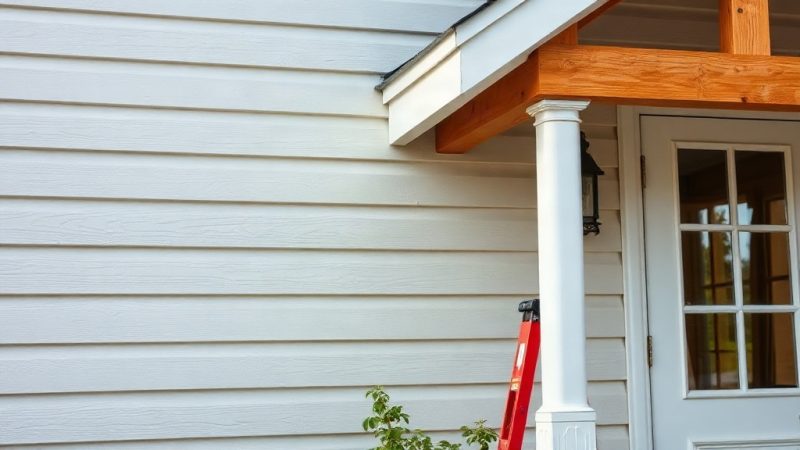
A single gallon of exterior paint can cost less than a hired crew’s hourly rate, yet the total bill for a repaint can swing by thousands of dollars depending on who holds the brush. That gap is exactly why an exterior paint cost guide is worth reading before you request a single quote. Most homeowners want one clear answer: will painting the house myself really save money, or does the hidden cost of tools, prep, and mistakes erase the savings? This guide breaks down both paths with realistic numbers, so you can compare them fairly. For broader project inspiration, you can read more about planning a whole-home refresh alongside the painting work.
Quick answer: Expect a professional exterior repaint to cost roughly two to five times the price of doing it yourself, with labor driving most of the difference. DIY saves cash on paper, but only if you own or borrow ladders and sprayers, budget for proper prep, and accept a shorter lifespan on the finish. Choose professional work for two-story homes, lead paint, or heavy rot repair.
What is exterior paint cost guide?
A cost guide for exterior painting is a planning tool, not a price list. It maps the real expenses of a repaint: paint and primer, tools, surface prep, labor, and the small extras that quietly add up. The same guide also explains how those costs shift with house size, siding type, and local labor rates.
Paint itself is the easiest number to calculate. Most exterior paint covers 250 to 400 square feet per gallon on a smooth surface, less on rough stucco or weathered wood. A gallon of quality exterior paint usually runs from about $30 to $70. Multiply your wall area by the number of coats, then divide by coverage to estimate gallons.
Labor is the largest line item on a professional bill. Many painters price exterior work by the square foot of surface area or by the job as a whole. As a rough planning rule, labor often represents 60 to 80 percent of a quoted total. That share rises with height, complex trim, and heavy scraping.
Tools and supplies make up the DIY budget’s invisible half. Brushes, rollers, trays, drop cloths, painter’s tape, caulk, and sandpaper can total $100 to $300. A ladder or a paint sprayer adds far more if you do not already own one.
Surface prep deserves its own category. Pressure washing, scraping, patching, and priming take time and materials. Skipping them is the fastest route to peeling paint within a year or two.
One quote tells you a price. A cost breakdown tells you which parts of that price you can control, which is what makes comparison shopping possible.
Takeaway: A useful estimate combines paint volume, prep materials, tools, and labor share — not just the price of a bucket of paint.
Why exterior paint cost guide matters
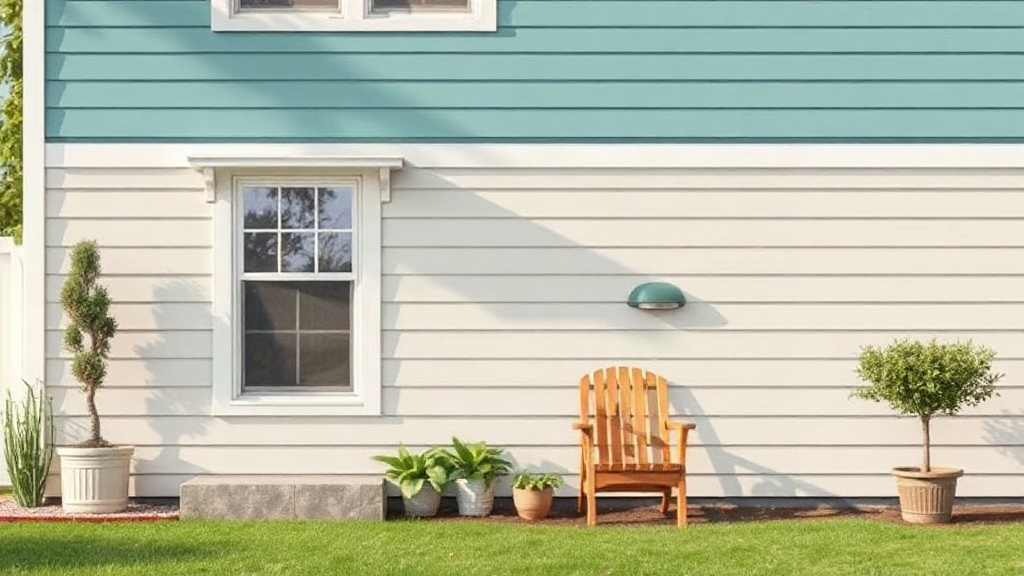
Exterior painting protects siding, trim, and wood from moisture and sun damage. A failed finish lets water into joints, and repair costs then dwarf the price of paint. Knowing typical cost ranges helps you decide whether a quote is reasonable or inflated.
Budget shock is the most common reason projects stall. Homeowners imagine a few hundred dollars in paint, then discover a professional quote in the several-thousands range for a modest single-story house. Neither figure is wrong; they simply describe different levels of labor, prep, and durability.
A real cost guide also exposes timing costs. Painting in ideal weather shortens prep time and extends the finish’s life. Rushing a job before rain or in high heat can cause blistering and early failure, which means paying twice for the same walls.
Resale value is another factor. A fresh, well-applied exterior improves curb appeal, and buyers notice peeling or mismatched trim immediately. Choosing colors with wide appeal matters as much as the quality of the application; browsing exterior house paint colors before committing can prevent an expensive repaint later.
Homes built before 1978 may have lead-based exterior paint. Disturbing it through sanding or scraping can create a health hazard, so testing and professional handling are the safer path.
Takeaway: Treat the estimate as a decision-making tool, not just a number — it shapes timing, safety, and long-term durability.
Best practices
Start by measuring the actual paintable area. Multiply the height by the width of each wall, subtract large windows and doors, then add trim and soffits separately. This one step gives you a defensible budget instead of a guess.
Compare quotes on equal terms
Ask each painter what the quote includes: pressure washing, scraping, priming, caulking, two coats, and cleanup. A cheaper bid often skips a coat or the prep. Line-by-line comparison reveals the real difference.
| Item | Typical DIY cost | Typical professional cost |
|---|---|---|
| Paint and primer | $300–$900 | $300–$900 (materials) |
| Tools and supplies | $100–$300, or $0 if owned | Included in labor |
| Prep and labor | Your time | 60–80% of the total |
| Rough total, single-story home | $400–$1,200 | $2,000–$6,000 |
Ranges vary widely by region, house size, and condition. Use them to sanity-check quotes rather than as fixed prices.
Choose the right finish for the surface
Wood siding, stucco, and fiber cement each behave differently. Wood needs a breathable finish that handles movement. Stucco rewards a thick, flexible coating. Matching the product to the surface extends the interval between repaints, which is where the largest long-term savings hide.
Plan the schedule around weather
Most exterior paints need temperatures above about 50°F and dry conditions for several hours after application. Painting a shaded wall in the morning and a sunlit one later reduces the risk of the paint drying too fast to bond.
Keep a labeled gallon of the same batch for touch-ups. Color matching years later rarely produces an exact match.
Takeaway: Measure carefully, compare bids line by line, and match products and timing to your siding and climate.
Common mistakes to avoid
The most expensive mistake is underestimating prep. Paint fails at the edges of loose, dirty, or damp surfaces, no matter how good the product is. Budgeting ten hours for prep when the job needs forty is a plan for peeling walls.
Choosing cheap paint is a close second. A low-cost coating may need three coats instead of two and last half as long, so the savings disappear at the first repaint. Paint quality matters more on exterior walls than anywhere else in the house.
Homeowners also forget the hidden costs of height. Two-story walls require taller ladders, scaffolding, or a sprayer with an extension, and the risk of falls rises sharply. This is where professional quotes often earn their price.
Skipping primer after patching bare wood or bare siding causes uneven absorption and blotchy color. Caulking after painting, rather than before, traps moisture and lets water behind the new film.
Finally, do not choose a color from a tiny swatch. Paint a large sample board and view it in morning, noon, and evening light. Exterior colors shift dramatically under sun and shade, and a hue that looks calm in a store can glow on a west-facing wall.
Fresh paint over damp wood or active rot seals in the problem. Repair and dry the surface first, or the new coating will fail within a season.
Takeaway: Prep, product quality, height safety, primer, and color testing are the five places small shortcuts become large costs.
FAQ
How much does it cost to paint the exterior of a house?
Costs depend on size, condition, and siding. A single-story home painted professionally commonly falls in the low thousands, while larger or heavily detailed homes run higher. DIY concentrates the cost in materials and tools.
Is it cheaper to paint the exterior yourself?
Materials and tools usually cost far less than a professional quote. The trade-off is your time and a finish that may not last as long. DIY makes the most sense on single-story, low-prep homes.
How often should an exterior be repainted?
Many exterior finishes last about five to ten years, depending on climate, surface, and prep quality. Wood siding in harsh sun may need attention sooner, while fiber cement often holds longer.
Does exterior painting increase home value?
A clean, well-maintained exterior improves curb appeal and helps buyers see the home as cared for. The exact return varies by market, so treat it as part of general upkeep rather than a guaranteed profit.
Conclusion
The honest answer is that DIY saves money only when the house is simple, the prep is light, and you own the tools. Professional work costs more up front but buys durability, safety, and time. Both paths reward careful measurement and honest surface prep more than anything else.
Start by measuring your walls and gathering three itemized quotes. Compare them against your own materials list, then choose the path that fits your height comfort and schedule. A clear budget today prevents a costly second repaint next summer.
