
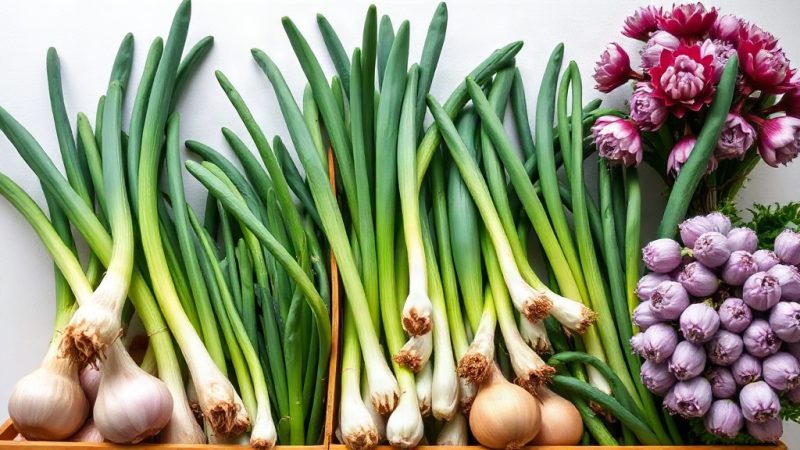
Choosing companion plants for alliums pays off twice: the blooms look better, and many neighbors quietly discourage the pests that trouble both. Alliums already repel aphids, carrot flies, and slugs through their sulfur compounds, so the smartest pairings add a second layer of protection. The trick lies in matching plants that share the same sun and drainage needs, since alliums sulk in wet soil. A few flower care tips help too—healthy, well-fed plants resist damage far better than stressed ones, and spacing matters as much as the pairing itself.
Quick answer: Plant alliums beside carrots, roses, tomatoes, and brassicas to deter aphids, carrot flies, and slugs. Keep partners about 12 to 18 inches away, give them full sun and free-draining soil, and choose low, shallow-rooted neighbors so bulbs are not disturbed. Expect reduced pest pressure rather than elimination.
Our picks at a glance
Twelve pairings earn a place here, and each solves a slightly different problem. Some shield vegetables, some protect roses from aphids, and a few simply fill the gap left when allium foliage yellows in midsummer. The table below groups them by strength and function.
Comparison: top picks by function and strength
| Companion | Main pest target | Strength |
|---|---|---|
| Carrots | Carrot fly | Strong |
| Roses | Aphids | Strong |
| Tomatoes | Aphids, whitefly | Moderate |
| Brassicas | Cabbage whitefly | Moderate |
| Lavender | Pollinators, aphids | Moderate |
| Beets | Slugs | Moderate |
| Parsley | Beneficial insects | Mild |
| Marigolds | Nematodes | Mild |
| Chamomile | General pests | Mild |
| Geraniums | Aphids, cabbage worm | Mild |
| Mint | Ants, aphids | Mild (contain it) |
| Dill | Beneficial insects | Mild |
Strong performers worth planning around
Carrots and roses sit at the top because the pairing answers a specific, well-known pest problem. Carrot fly finds roots by scent, and the allium mask interferes with that search. Roses draw aphids reliably, and alliums nearby tend to draw fewer of them. Both pairings reward you with better harvests or cleaner blooms.
Moderate partners that earn their space
Tomatoes, brassicas, lavender, and beets each cover a real gap. Tomato foliage benefits from alliums tucked along the row edge. Brassicas gain cover from whitefly and aphid pressure. Lavender brings pollinators and tolerates the same dry conditions. Beets fill low space and suffer less slug damage.
Mild partners for color and habitat
Parsley, marigolds, chamomile, geraniums, mint, and dill are not pest-proofers so much as habitat builders. They encourage predatory insects, which patrol the garden all season. Treat them as supporting players rather than shields.
1. Carrots
Carrot fly is the headline reason to pair these two. The female fly hunts by scent, and allium aromas confuse her approach. Set alliums in a border row beside the carrot bed rather than among the seedlings, so you can thin and harvest without digging near bulbs.
2. Roses
Aphids cluster on fresh rose buds every spring. Allium neighbors do not banish them, but clusters often stay smaller on roses with alliums planted beneath. The pairing also looks deliberate: tall purple or white allium heads rising above rose foliage make a clean design choice.
3. Tomatoes
Set a few alliums at the end of a tomato row to reduce aphid and whitefly pressure near the lower leaves. Both plants want sun and decent drainage, so the pairing fits without compromise. Keep alliums out of the immediate planting hole, because tomato roots need undisturbed room.
4. Brassicas
Cabbage whitefly and aphids find brassicas fast. Allium scent nearby masks the crop’s signature and slows arrival. Plant alliums on the windward edge of the bed to intercept incoming insects earlier, and rotate the pairing each season to avoid soil-borne disease.
5. Lavender
Lavender and alliums share two needs: sun and sharp drainage. Together they create a dry border that pollinators visit constantly. Bees moving between the two flowers improve pollination of nearby fruiting crops, which is a concrete gain rather than a vague bonus.
6. Beets
Beets occupy low space while alliums bloom above them. Slugs tend to leave sulfur-rich allium foliage alone, and beet seedlings nearby suffer less chewing. Give beets about 12 inches of room and keep the soil moist but not soggy.
Sow beet seed in short rows between allium clumps, thinning seedlings to 3 inches so roots develop without crowding. Because beets and alliums both dislike fresh manure, work in compost the autumn before. Lift alternate beets as baby greens, leaving the rest to mature and keep the ground covered.
7. Parsley
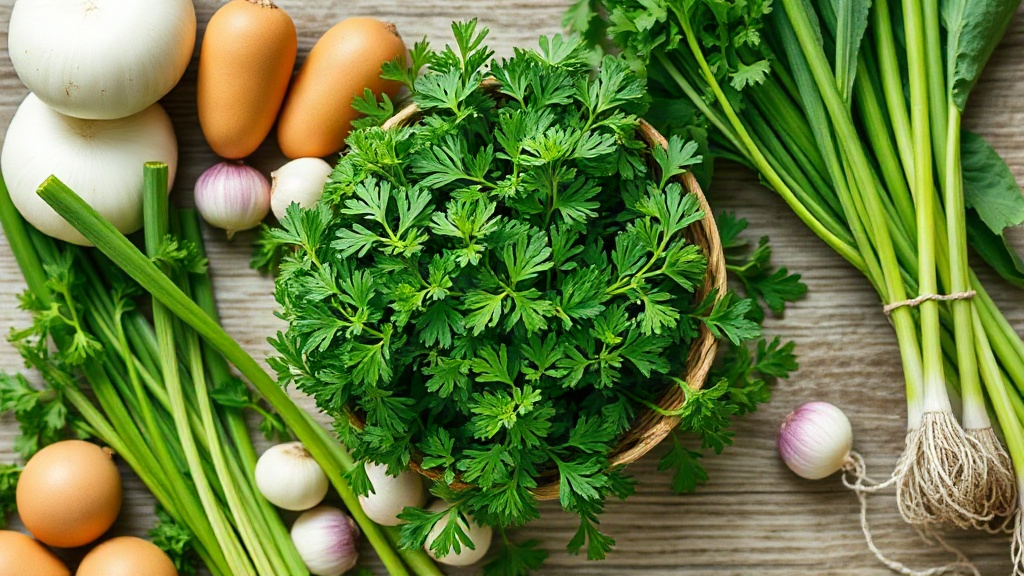
Parsley flowers attract hoverflies and tiny parasitic wasps, both of which prey on aphids. Pair a parsley clump with an allium border to build a small habitat patch. Let some parsley bolt on purpose; its flowers feed beneficials for weeks.
Flat-leaf parsley is the better host plant, producing more nectar than curly types once it bolts. Sow a short row 12 inches from the allium border, keep it watered through dry spells, and cut outer stems for the kitchen so the plant keeps growing. Expect wasps and hoverflies within a few weeks of flowering.
8. Marigolds
French marigolds are the traditional nematode partner. Their root exudates suppress some soil nematodes, though results vary by species and soil. Plant them as a dense edging around allium bulbs, which also hides the gap left when foliage withers.
Use Tagetes patula rather than African marigolds, because the smaller French types release more nematode-suppressing compounds from their roots. Set transplants 8 to 10 inches apart in a continuous ring, and turn the spent plants into the soil at season’s end so the root effect lingers where allium bulbs will rest.
9. Chamomile
Chamomile’s small flowers pull in pollinators and predatory flies early in the season. It also tolerates dry soil, so it suits the same bed as alliums. Scatter seed along the bed edge rather than transplanting, since chamomile resents root disturbance.
10. Geraniums
Hardy geraniums form low mounds that shelter beetles and spiders which hunt aphids and cabbage worms. They also cover allium foliage as it yellows after bloom. Trim geraniums back after flowering to keep the pairing tidy.
Choose low-growing species such as Geranium macrorrhizum or ‘Rozanne’ rather than tall border types, since compact mounds hug the soil where spiders build webs. Space them about 15 inches apart so the canopy closes without smothering bulb necks, and water at the base to keep damp foliage from encouraging rot around dormant alliums.
11. Mint
Mint repels ants, and ants farm and protect aphids, so fewer ants means fewer aphid colonies. Grow mint in a buried pot or a container beside the bed; otherwise it spreads aggressively and crowds out bulbs. One pot per bed is plenty.
12. Dill
Dill’s umbrella flowers feed predatory insects and hoverflies. It pairs well with alliums along a vegetable bed edge, and it tolerates poor soil. Sow dill in succession every few weeks so fresh flowers keep appearing through summer. When blooms fade, an allium deadheading guide can help you tidy spent flower heads and keep the bed looking sharp.
How to choose the right option
Start with the pest you actually saw last season, then pick the companion matched to it. A carrot fly problem points to carrots and alliums in adjacent rows. An aphid problem on roses or tomatoes points to alliums beneath the plants. Do not choose a partner because it is pretty if the soil conditions clash.
Match the watering and light needs
Alliums want full sun and free-draining soil. Lavender, chamomile, dill, and marigolds accept those conditions. Mint, parsley, and beets prefer more moisture, so group them where you can water separately. Mixed beds work fine if you plan irrigation zones.
Respect the spacing that protects bulbs
Keep most companions at least 12 to 18 inches from allium bulbs. Shallow-rooted annuals are safer than deep taproot perennials, which compete for space and can disturb bulbs during division. Leave a small buffer around each clump.
Think about the season gap
Allium foliage yellows about six weeks after bloom. Plan a low, spreading partner to cover that gap. Geraniums, beets, and marigolds fill the space well and keep the bed from looking bare while bulbs rest.
Companion planting reduces pest pressure but does not replace basic sanitation. Clear diseased foliage promptly and rotate crops yearly.
FAQ
Do alliums repel pests on their own, or do I need companions?
Alliums release sulfur compounds that deter several insects, so one planted border already helps. Companions add a second signal that hides crops from pests. Use both for the best effect.
When should I plant companion plants around allium bulbs?
Plant annual companions in spring, at the same time or just after alliums emerge. Set perennials such as lavender in early autumn so roots establish before winter. Avoid digging near bulbs during the growing season.
Can I plant alliums in a container with companions?
Yes, provided the pot holds at least 12 inches of soil and drains freely. Pair alliums with marigolds, chamomile, or a small mint plant in its own pot. Water containers more often, since they dry faster than beds.
Will mint in the same bed take over my alliums?
Mint spreads by runners and can crowd bulbs within a season. Sink it into a buried pot with the rim just above soil level. That contains the roots while keeping the scent nearby.
Do these pairings work in raised beds and small gardens?
They do, and small beds suit the approach well. Choose three or four pairings rather than all twelve, and keep paths clear so airflow stays good. Fewer plants managed well beat a crowded mix.
Conclusion on companion plants for alliums
The strongest pairings are targeted, not decorative. Carrots and roses solve visible pest problems, while lavender, marigolds, and beets cover gaps and support beneficial insects. Keep partners at least a foot from bulbs, match their sun and water needs, and plan for the bare patch after bloom. This week, sketch your beds, pick two pairings that address the pests you noticed last year, and plant them alongside your alliums before the season moves on.
