
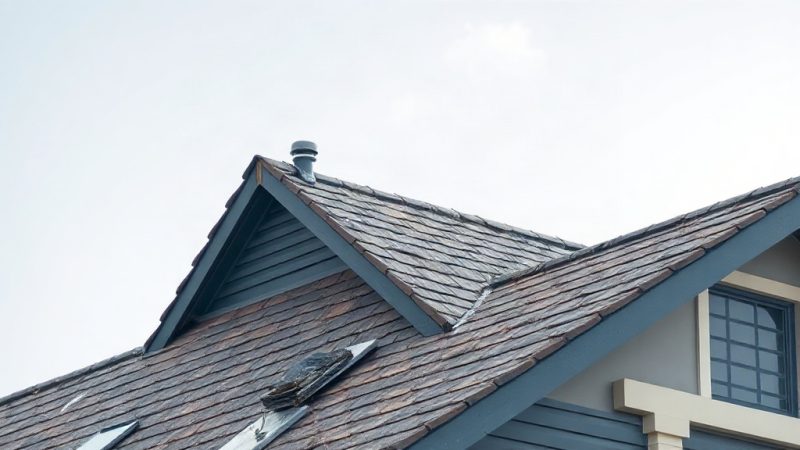
How much does roof repair cost when the leak is small but the ceiling stain keeps growing? Most homeowners face that question the moment water appears indoors, and the answer depends on slope, material, access and damage depth. This guide breaks down realistic price ranges, explains the line items behind a quote, and flags the fees that often appear late. It also shows how reputable contractors such as //roofmasterconstruction.com/ structure estimates so you can compare bids fairly.
Quick answer: Most minor roof repairs cost roughly $150 to $1,000, while larger jobs involving sheathing, flashing or partial replacement commonly run $1,000 to $5,000. Total price hinges on roof material, pitch, access, and whether damage is cosmetic or structural. Always ask for a written, itemized estimate before work begins.
What is much does roof repair cost?
The phrase describes the full price of restoring a roof to a watertight condition, not just the visible patch. A quote should reflect labor, materials, disposal, and any structural correction the damage requires. Homeowners often compare only the headline number, yet the line items tell the real story.
Comparison: typical repair price ranges by job type
The table below shows common ranges for residential repairs. Treat these as planning figures; regional labor rates and roof complexity shift them up or down.
| Repair type | Typical range |
|---|---|
| Replacing a few shingles or tiles | $150–$500 |
| Patching a small leak | $300–$1,000 |
| Flashing around a chimney or vent | $400–$1,200 |
| Repairing a section of decking | $800–$3,000 |
| Partial roof section replacement | $1,500–$5,000 |
| Full replacement (for reference) | $6,000–$15,000+ |
Material matters as much as size. Asphalt shingles are the least expensive to patch. Clay tile, slate and metal demand specialist labor, so even a small repair can carry a premium. A single broken tile on a steep clay roof may cost more than twenty shingles on a low-slope garage.
Access drives price hard. A two-story home with a steep pitch needs harnesses, staging or a lift, and that time appears in the labor line. Low-slope roofs and easily reached ranch homes sit at the lower end.
Metal roofs have their own pricing logic because fasteners, seams and coatings differ from shingle work. You can read a focused breakdown of leaking tin roof repair cost to see how those jobs are quoted.
A bid far below others usually omits decking inspection, disposal, or permit fees. Those gaps reappear as change orders once the crew opens the roof.
Takeaway: Compare itemized scopes, not just totals, and expect material and access to move the price more than the square footage involved.
Small variables add up too. Ridge vents, skylights, satellite mounts and plumbing stacks each create a penetration that may need its own flashing kit, and each one adds a line to the estimate. A roof with eight penetrations can cost several hundred dollars more to repair than a clean plane of shingles.
Why much does roof repair cost matters
A roof repair quote is a decision tool, and misreading it has consequences beyond money. Deferred repairs let water reach insulation, drywall and framing, where damage multiplies. A $500 flashing fix today can prevent a $4,000 ceiling and framing job next winter.
Budget planning depends on knowing real ranges. Homeowners who expect every repair to cost a few hundred dollars get caught off guard by four-figure bids. Knowing that structural work sits in a different tier helps you set aside a sensible reserve rather than panic at the estimate.
Price also signals scope. A quote that covers only the visible leak may leave a second failure nearby. A thorough estimate includes an attic inspection, moisture checks and flashing review. That fuller scope costs more upfront but reduces repeat visits.
Insurance decisions hinge on the cause. Sudden damage from wind or hail is often covered; wear and neglect typically are not. The cost breakdown helps you explain the cause to an adjuster and understand what a policy might reimburse.
Safety rounds out the case. Roof work carries fall risk, so uninsured bargain crews shift liability to you. Paying a licensed, insured contractor is part of the price, and skipping it is a false saving.
Sagging decking, daylight visible through the roof boards, or a leak that returns after patching all suggest the repair is bigger than a surface fix.
Takeaway: The price matters because it signals scope, guides your reserve, and influences insurance and safety choices, not because it is a contest for the lowest number.
Timing shapes the final bill as much as the damage itself. Water that has soaked decking for weeks forces replacement of boards that a prompt fix would have preserved, so delay quietly converts a cheap patch into structural work. The estimate also clarifies what your policy will and will not cover.
Best practices
Get at least three written, itemized estimates. Each should separate labor, materials, disposal and permits so you can compare like for like. Ask every contractor to inspect the attic and photograph the problem area.
Confirm licensing and insurance before signing. Request the license number and a certificate of insurance, then verify both. This step protects you if a worker is injured on your property.
Ask what the warranty covers and for how long. Labor warranties and manufacturer warranties are different things, and a leak that returns in a year should be addressed without a full new charge.
Schedule repairs before the rainy season where possible. Emergency callouts and temporary tarping carry premiums that routine scheduling avoids. If a leak is active, temporary sealing is worth the modest cost to limit interior damage while you plan.
Keep documentation. Save the estimate, photos and receipts; insurers and future buyers both value the paper trail.
A good contract states how unexpected findings are priced and requires your approval before extra work proceeds.
Takeaway: Itemized bids, verified credentials, clear warranties and documented work turn a stressful repair into a controlled project.
Compare unit prices, not just totals: how much per square of shingles, per linear foot of flashing, and per hour of labor. Unit pricing exposes inflated markups hidden inside a tidy bottom line. Ask each contractor how long the work will take and who will be on site, since a crew that subcontracts to unfamiliar hands may not honor the workmanship warranty. Finally, request a lien waiver at final payment so suppliers and laborers cannot later claim against your property.
Common mistakes to avoid
Accepting a verbal estimate is the most expensive habit. Without written scope, disputes about what was included become your word against the contractor’s. Insist on paper.
Paying the full amount upfront removes your leverage. A reasonable deposit followed by staged payments tied to progress keeps incentives aligned.
Skipping the attic inspection hides the real cause. A ceiling stain may trace to failed flashing far from the visible spot, so a patch in the wrong place buys time only.
Choosing on price alone invites trouble. The lowest bid often reflects skipped decking checks or no permit, costs that return as change orders.
Ignoring small warning signs, such as a few lifted shingles or a single cracked tile, lets a cheap fix become a large one. Water is patient and persistent.
Crews that appear after storms and demand large cash deposits often leave before the warranty matters. Verify local licensing and a physical business address first.
Takeaway: Written scope, staged payments, a proper inspection and verified credentials prevent most repair horror stories.
Requesting a lump-sum price over the phone is another costly shortcut. Square footage alone cannot predict whether the crew will find rotten fascia or a second layer of old shingles underneath, so a phone figure is little more than a guess. Ask for an on-site inspection and a written scope before any number is treated as real. Likewise, never let a contractor begin work before the permit is pulled, because unpermitted repairs can surface during a future home sale and stall the closing.
FAQ
How much does roof repair cost for a small leak?
A single small leak usually costs $300 to $1,000, depending on access and whether flashing must be rebuilt. A simple shingle patch may sit near the bottom of that range. Steep roofs or hard-to-reach areas push it higher.
Are hidden fees normal on a roof repair quote?
Some line items are legitimate, such as permits, disposal and decking replacement. Unexpected fees appear when a contractor quotes low and adds charges later. An itemized estimate should name every foreseeable cost upfront.
Is it cheaper to repair or replace my roof?
Repair wins when damage is localized and the roof has years of service left. Replacement makes more sense when leaks are widespread or the roof is near the end of its lifespan. Get both quotes before deciding.
Does roof repair cost more in winter or during storm season?
Emergency and storm-season work often carries a premium because demand spikes. Scheduled work in calmer months usually costs less. Temporary sealing during peak season can limit damage until a full repair is booked.
Will insurance cover my roof repair?
Coverage generally applies to sudden events such as hail or wind damage, not wear and tear. Your policy terms and the documented cause determine the outcome. Ask the contractor to photograph and describe the damage clearly.
Conclusion
Roof repair pricing follows a predictable logic: small surface fixes sit in the low hundreds, while structural or partial-replacement work climbs into the thousands. Material, pitch, access and hidden conditions drive the final figure. Protect yourself with itemized estimates, verified insurance and staged payments. Your next step is simple: book an inspection, request three written quotes, and compare scopes line by line before signing anything.
