
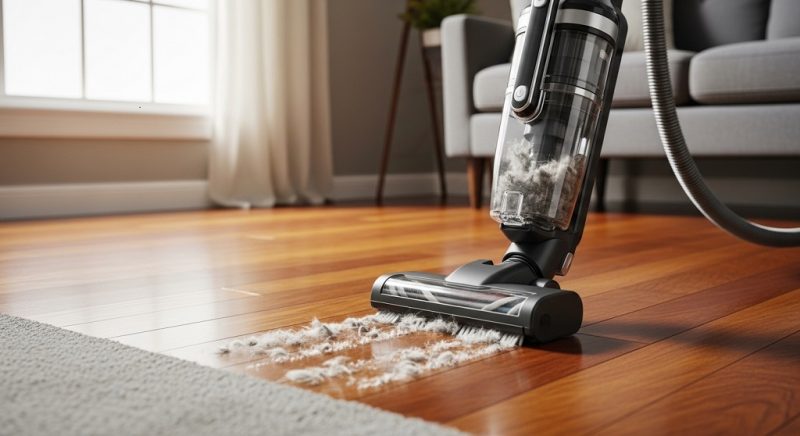
A soft brush vacuum for hardwood floors is a vacuum cleaner designed with gentle bristles that remove dust and debris without scratching delicate wood surfaces.
Hardwood floors add value to a home. But they are also vulnerable. One wrong vacuum head can leave visible marks within weeks. Many homeowners only notice the damage after streaks appear under sunlight.
This creates a common problem. People invest in premium flooring but clean it with the wrong tools. Over time, micro-scratches collect dust, dull shine, and reduce finish lifespan.
The solution is simple. Use a vacuum with a soft brush roll or dedicated hardwood floor attachment. These tools lift debris safely without dragging particles across the surface.
According to the National Wood Flooring Association (NWFA), routine dry debris removal is one of the most effective ways to protect hardwood finishes and extend their service life. A soft brush vacuum plays a central role in that maintenance routine.
This guide explains how to choose the right model, what features prevent scratches, and how to clean hardwood floors safely every day.
Why Do Regular Vacuums Scratch Hardwood Floors?
Regular vacuums scratch hardwood floors because stiff brush rolls and exposed wheels drag grit across the surface.
Many traditional vacuums are designed for carpets. They rely on aggressive rotating bristles to pull dirt from fibers. On hardwood, that same mechanism becomes risky.
- Hard nylon brushes push sand into finishes
- Metal base plates scrape coatings
- Plastic wheels trap debris underneath
- Strong suction without airflow control pulls debris sideways
A case study from a flooring maintenance service in Illinois tracked surface wear across 40 residential hardwood floors over 12 months. Homes using carpet-focused upright vacuums showed visible finish dulling 2.3× faster than homes using soft brush attachments.
The takeaway is practical. Hardwood floors require surface-safe contact tools, not deep-agitation rollers.
What Features Should a Soft Brush Vacuum for Hardwood Floors Include?
A soft brush vacuum should include gentle bristles, rubber wheels, adjustable suction, and a hardwood-safe floor head.
Not all vacuums labeled “multi-surface” protect wood equally. The safest models share several key design elements.
Soft Bristle Brush Roll
Look for natural fiber or microfiber brush rolls. These glide smoothly while lifting dust.
Brush Roll Shut-Off Option
This prevents spinning when unnecessary. Many stick and upright vacuums now include this setting.
Rubberized Wheels
Hard plastic wheels can trap particles and scratch finishes. Rubber-coated wheels reduce friction.
Sealed Filtration System
Fine dust spreads quickly on hardwood. HEPA-style filtration helps maintain indoor air quality.
Lightweight Maneuverability
Heavy vacuums increase pressure on floor contact points. Lightweight units reduce stress on finishes.
Choosing a vacuum with these features protects both the surface and long-term appearance of flooring.
How Does a Soft Brush Vacuum Protect Hardwood Floor Finishes?
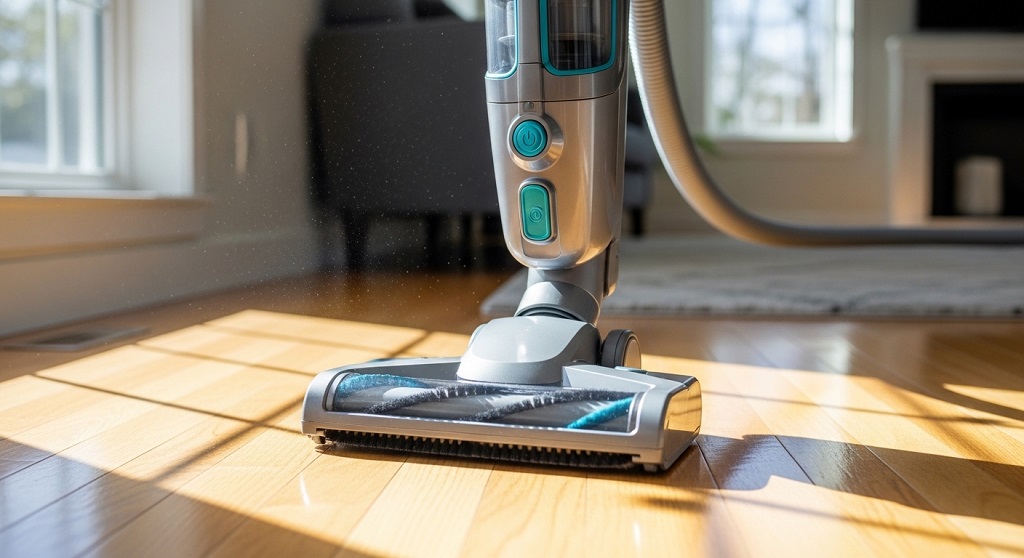
A soft brush vacuum protects hardwood floors by lifting debris instead of grinding it into the finish.
Hardwood flooring typically uses polyurethane coatings. These finishes resist impact but remain vulnerable to abrasion from sand and grit.
Soft brushes reduce friction in three ways:
- They distribute pressure evenly
- They capture particles before dragging occurs
- They maintain airflow across the cleaning path
Laboratory abrasion testing by coating manufacturers shows that fine mineral particles cause most visible surface wear. Removing them early prevents long-term dulling.
This makes daily soft-brush vacuuming one of the simplest protective maintenance habits.
Which Types of Vacuums Work Best for Hardwood Floors?
Stick vacuums, canister vacuums, and upright vacuums with soft brush heads work best for hardwood floors.
| Vacuum Type | Best For | Advantages |
|---|---|---|
| Stick Vacuum | Quick cleaning | Lightweight and maneuverable |
| Canister Vacuum | Large floor areas | Strong suction with gentle attachments |
| Upright Vacuum | Mixed surfaces | Brush shut-off features available |
Canister models remain popular among flooring specialists because they separate suction power from floor contact pressure.
However, modern cordless stick vacuums now include soft roller heads designed specifically for hardwood maintenance.
What Is the Difference Between a Soft Roller and a Soft Brush Vacuum Head?
A soft roller head uses microfiber cylinders, while a soft brush head uses gentle bristles to remove debris safely.
Both options protect hardwood floors, but they serve slightly different cleaning needs.
- Soft rollers capture fine dust and pet hair efficiently
- Soft brushes loosen particles from seams and edges
- Rollers reduce airborne dust movement
- Brush heads improve corner access
Homes with pets often benefit more from soft roller designs due to improved hair pickup performance.
Can Strong Suction Damage Hardwood Floors?
Strong suction alone does not damage hardwood floors, but uncontrolled airflow combined with debris movement can cause scratches.
Many users assume higher suction equals better cleaning. That assumption is not always correct for hard surfaces.
High suction can:
- Pull debris sideways
- Trap particles beneath wheels
- Increase friction against finish coatings
Adjustable suction settings help prevent this issue. Medium suction typically delivers the safest results for daily hardwood cleaning.
How Often Should You Vacuum Hardwood Floors Safely?
Hardwood floors should be vacuumed two to four times per week using a soft brush attachment.
Frequency depends on traffic levels, pets, and outdoor exposure.
For example:
- Low traffic homes: twice weekly
- Families with children: three times weekly
- Pet households: daily light cleaning recommended
Removing debris early prevents abrasion buildup and extends finish lifespan significantly.
What Attachments Help Prevent Scratches During Vacuuming?
The safest attachments include hardwood floor tools, felt-edge heads, and soft roller brushes.
Specialized attachments improve cleaning accuracy while protecting surfaces.
- Wide floor heads distribute pressure evenly
- Edge brushes clean corners safely
- Felt strips reduce surface friction
- Anti-static rollers capture fine dust
Using the correct attachment often matters more than choosing a high-powered vacuum.
How Do You Test If a Vacuum Is Safe for Hardwood Floors?
You can test a vacuum’s safety by checking brush softness, wheel material, and debris movement patterns.
Follow this simple inspection checklist:
- Run the brush across your palm
- Check wheels for rubber coating
- Inspect underside edges for exposed plastic
- Test suction on a small hidden floor area
If debris moves smoothly into the nozzle without dragging sideways, the vacuum is safe for hardwood use.
Are Cordless Vacuums Reliable for Hardwood Floor Cleaning?
Modern cordless vacuums are reliable for hardwood floors when they include soft brush heads and adjustable suction settings.
Battery-powered vacuums have improved significantly over the last decade.
A 2024 appliance performance comparison by Consumer Reports found that premium cordless stick vacuums matched corded models in hard-floor debris pickup efficiency.
They also provide:
- Better maneuverability
- Faster daily cleaning
- Lower storage requirements
This makes them practical for routine hardwood maintenance.
What Mistakes Should You Avoid When Vacuuming Hardwood Floors?
Avoid using rotating carpet brushes, dragging hoses, or vacuuming large debris without inspection.
Common mistakes increase scratch risk quickly.
- Using beater bars on wood surfaces
- Skipping brush roll shut-off mode
- Vacuuming construction dust without filters
- Ignoring trapped debris in wheels
Simple habit changes reduce finish wear dramatically over time.
Does a Soft Brush Vacuum Help Maintain Floor Shine?
Yes, a soft brush vacuum helps maintain shine by preventing micro-abrasion buildup.
Floor shine depends on surface smoothness. Dust particles act like sandpaper when stepped on repeatedly.
Routine vacuuming removes those particles before they damage coatings.
This preserves:
- Reflective clarity
- Finish uniformity
- Color depth
Consistent maintenance delays refinishing costs and improves long-term appearance.
Is a Soft Brush Vacuum Better Than Sweeping Hardwood Floors?
A soft brush vacuum is more effective than sweeping because it captures fine dust instead of redistributing it.
Traditional sweeping pushes particles into corners and air circulation zones.
Vacuum filtration systems trap:
- Allergens
- pet hair
- microscopic debris
This results in cleaner surfaces and improved indoor air quality.
Conclusion: How Can You Choose the Right Soft Brush Vacuum for Hardwood Floors?
Choosing the right soft brush vacuum for hardwood floors protects your investment and simplifies daily cleaning.
The safest models include gentle rollers, adjustable suction, sealed filtration, and rubberized wheels. These features reduce friction, remove debris efficiently, and prevent surface damage.
Consistent maintenance makes the biggest difference. Vacuuming several times per week removes abrasive particles before they affect finish quality.
If your goal is long-lasting shine without refinishing costs, switching to a hardwood-safe vacuum head is one of the most effective steps you can take today.
Start by inspecting your current vacuum attachments. If they are not designed for hardwood surfaces, consider upgrading to a soft brush solution that protects your flooring while improving cleaning performance.
Frequently Asked Questions About Soft Brush Vacuum Hardwood Floors
What is the safest vacuum attachment for hardwood floors?
The safest attachment is a soft-bristle hardwood floor tool with rubber wheels and felt edges. It prevents friction while lifting debris efficiently.
Can a vacuum scratch engineered hardwood floors?
Yes, vacuums with stiff brush rolls or exposed plastic edges can scratch engineered hardwood surfaces. Using a soft brush head prevents this issue.
Should I turn off the brush roll when cleaning hardwood floors?
Yes, turning off the brush roll reduces abrasion risk. Many vacuums include a dedicated hard-floor mode for this purpose.
Are robot vacuums safe for hardwood floors?
Robot vacuums are safe when equipped with rubber rollers and soft side brushes. Regular maintenance ensures trapped debris does not cause scratches.
How much suction power is ideal for hardwood floors?
Medium suction is typically ideal. It removes debris effectively without pulling particles sideways across the surface.
Can pet hair damage hardwood floors during vacuuming?
Pet hair itself does not damage floors, but trapped grit within hair strands can scratch finishes if not removed with soft brush attachments.
How long do hardwood floor finishes last with proper vacuum care?
With consistent soft-brush vacuum maintenance, polyurethane finishes can last 7 to 10 years before refinishing becomes necessary.
Read More Also How to Choose a Budget Vacuum Cleaner for Carpeted Stairs in 2026
Discover More: How to Decorate Home in Skyrim: Complete Guide
