
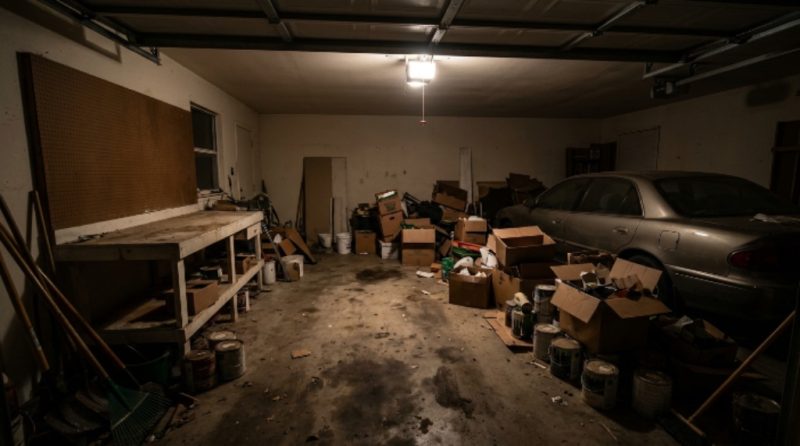
The best way to avoid expensive garage repairs is to inspect your garage monthly, lubricate moving parts twice yearly, and fix small problems immediately. Regular maintenance improves safety, extends equipment life, and prevents minor wear from becoming major mechanical failures.
Your garage contains one of the largest moving systems in your home. Many garage doors complete hundreds of opening cycles yearly, while regular maintenance often takes less than thirty minutes each season. Small preventive tasks protect your investment and reduce the chance of unexpected breakdowns.
Why Garage Maintenance Matters
Many homeowners ignore the garage until something stops working. However, delayed maintenance usually increases repair costs and creates unnecessary safety risks.
Every garage contains mechanical, electrical, and structural components. Therefore, each part deserves routine attention before signs of damage become serious.
A neglected garage door forces the opener to work harder. Consequently, extra strain shortens the lifespan of important components and increases future repair expenses.
Simple maintenance also improves home security. Properly working locks, sensors, and weather seals protect both your belongings and your property.
Inspect Your Garage Door Every Month
Monthly inspections help identify small issues before they become expensive repairs. Furthermore, they require only a few minutes and basic observation.
Watch the Door While It Operates
Open and close the garage door completely. Listen carefully for grinding, squeaking, rattling, or scraping sounds.
Notice whether the door moves smoothly. Jerky movement often indicates worn rollers, loose hardware, or balance problems.
Check both sides of the door carefully. Uneven movement may suggest mechanical wear requiring professional attention.
Examine Visible Hardware
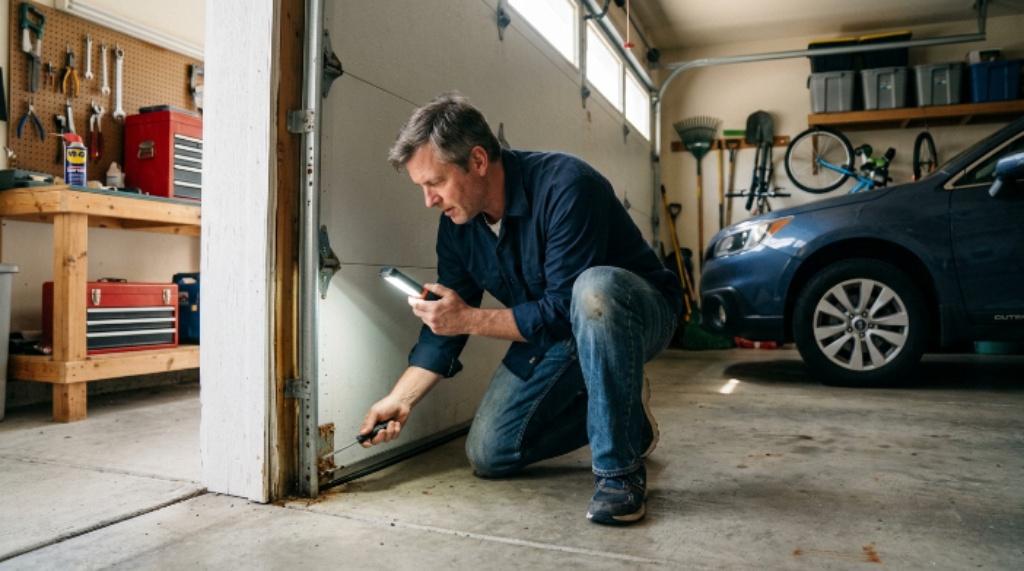
Inspect hinges, brackets, rollers, and bolts regularly. Loose hardware can create unnecessary vibration during operation.
Look closely for rust, cracks, or bent components. Replacing worn hardware early usually costs much less than emergency repairs.
Never attempt repairs involving high tension springs. These parts require specialized tools and professional experience.
Lubricate Moving Parts Correctly
Lubrication reduces friction and prevents unnecessary wear. Therefore, schedule this simple task at least twice yearly.
Apply garage door lubricant to:
- Rollers
- Hinges
- Bearings
- Metal springs
- Pivot points
Avoid applying lubricant directly onto the tracks. Instead, keep tracks clean because excessive grease attracts dirt and debris.
After lubrication, operate the door several times. This distributes lubricant evenly across moving components.
Keep Garage Tracks Clean
Dirty tracks affect smooth door movement. Consequently, accumulated debris increases resistance and mechanical stress.
Use a soft cloth to remove loose dust. Afterwards, clean stubborn dirt with mild soap and water.
Dry the tracks completely after cleaning. Moisture encourages rust formation and shortens metal life.
Inspect track alignment during cleaning. Visible bends or gaps usually require professional adjustment.
Test Safety Features Frequently
Modern garage doors include important safety systems. These features protect people, pets, and vehicles from accidental injury.
Test the Auto Reverse System
Place a solid object beneath the closing door. The door should immediately reverse after contact.
If the door fails this test, stop using the opener until repairs are completed. Safety should always remain your highest priority.
Check Photo Eye Sensors
Clean both sensor lenses carefully using a soft cloth. Dust frequently blocks the infrared beam.
Confirm both sensors face each other correctly. Misaligned sensors often prevent proper garage door operation.
Check Door Balance
An unbalanced garage door places unnecessary stress on the opener. Eventually, this extra load causes premature equipment failure.
Disconnect the automatic opener carefully. Lift the door halfway using both hands.
Release the door gently. A properly balanced door should remain nearly stationary.
If the door moves rapidly upward or downward, schedule professional service immediately.
Replace Damaged Weather Seals
Weather stripping keeps moisture, insects, and outdoor air outside. Therefore, inspect seals during every seasonal maintenance check.
Look for cracks, gaps, or hardened rubber. Even small openings reduce energy efficiency significantly.
Replace worn bottom seals promptly. Fresh weather stripping also helps prevent water damage inside your garage.
Door frame seals deserve equal attention. Tight sealing protects stored belongings from dust and changing temperatures.
Organize Garage Storage Safely
Clutter increases accident risks and limits maintenance access. Organized storage also prevents unnecessary damage to valuable equipment.
Store heavy items on sturdy shelving. Secure cabinets firmly against garage walls.
Keep chemicals inside sealed containers. Proper storage reduces spills and improves household safety.
Avoid stacking boxes too high. Stable storage prevents falling objects during daily garage use.
Useful organization ideas include:
- Label storage bins clearly.
- Hang bicycles securely.
- Store tools together.
- Keep emergency supplies accessible.
- Separate hazardous materials safely.
Protect Your Garage Floor
Garage floors experience constant vehicle traffic. Therefore, regular cleaning prevents long term surface deterioration.
Clean oil stains quickly before permanent discoloration develops. Absorb fresh spills using appropriate absorbent material.
Sweep debris every week. Small stones and dirt gradually scratch concrete surfaces.
Consider applying a protective floor coating. Durable coatings resist chemicals, moisture, and everyday wear.
Maintain Garage Ventilation
Proper airflow controls moisture buildup inside enclosed spaces. Consequently, ventilation reduces mold growth and rust formation.
Open windows whenever weather permits. Fresh air lowers humidity naturally.
Use exhaust fans if your garage remains humid. Mechanical ventilation improves air quality year round.
Avoid blocking ventilation openings with storage items. Clear airflow protects both the building and stored belongings.
Inspect Electrical Components
Garage electrical systems deserve regular attention. Small electrical problems often become expensive repairs when ignored.
Check visible wiring for damage. Replace worn extension cords immediately.
Test wall outlets occasionally. Loose outlets may indicate underlying electrical concerns.
Inspect garage lighting regularly. Bright lighting improves safety during maintenance and daily activities.
If you notice burning smells or flickering lights, contact a qualified electrician immediately.
Care for Your Garage Door Opener
The opener works every time the door moves. Therefore, consistent maintenance improves reliability and extends equipment life.
Replace remote batteries before they completely fail. Fresh batteries prevent unexpected access problems.
Inspect the opener chain or belt regularly. Proper tension supports smooth and quiet operation.
Keep the motor housing clean. Dust buildup reduces cooling efficiency over time.
Review manufacturer maintenance recommendations periodically. Following scheduled maintenance helps maximize performance.
Prevent Pest Problems
Garages often attract insects and rodents. Preventive action protects both stored belongings and structural materials.
Seal small wall openings promptly. Tiny gaps provide easy entry for unwanted pests.
Store pet food inside airtight containers. Proper storage reduces food sources that attract rodents.
Remove cardboard whenever possible. Plastic containers resist moisture and discourage nesting insects.
Inspect dark storage areas seasonally. Early detection simplifies pest control significantly.
Seasonal Garage Maintenance Checklist
Each season creates different maintenance needs. Following a yearly schedule keeps your garage operating efficiently.
Spring
- Inspect weather damage.
- Clean garage floor thoroughly.
- Lubricate moving parts.
- Test safety systems.
Summer
- Improve ventilation.
- Check weather seals.
- Inspect storage areas.
- Clean photo eye sensors.
Fall
- Replace damaged seals.
- Remove leaves from entrances.
- Inspect insulation.
- Test garage lighting.
Winter
- Remove snow buildup.
- Keep tracks clean.
- Watch for frozen seals.
- Verify battery performance.
Warning Signs You Should Never Ignore
Some symptoms require immediate attention. Ignoring them usually increases repair costs.
Watch for these warning signs:
- Loud grinding noises
- Slow door movement
- Door closing unevenly
- Sagging sections
- Frayed cables
- Repeated opener failure
- Broken weather seals
- Loose mounting brackets
Never attempt repairs involving springs or lifting cables. Professional service remains the safest option.
Common Mistakes Homeowners Make
Many repairs become expensive because of preventable mistakes. Fortunately, avoiding these habits protects your garage.
Skipping inspections allows minor damage to spread. Regular observation catches problems while repairs remain affordable.
Using incorrect lubricants attracts dirt. Always use products designed specifically for garage door components.
Ignoring unusual sounds delays necessary maintenance. New noises often indicate developing mechanical problems.
Overloading storage shelves creates unnecessary structural stress. Follow recommended weight limits carefully.
Postponing professional inspections also increases long term costs. Annual service identifies hidden wear before failure occurs.
Final Thoughts
Consistent garage maintenance protects your home, improves safety, and reduces expensive repair bills. Small monthly inspections and seasonal maintenance create lasting benefits without requiring significant time or money.
Start your maintenance routine today by inspecting your garage door, cleaning important components, and scheduling professional service whenever safety concerns appear. Preventive care always costs less than emergency repairs.
FAQs
How often should I inspect my garage door?
Inspect your garage door once every month for safe and reliable operation.
How often should garage door parts be lubricated?
Lubricate moving parts about twice each year using a garage specific lubricant.
Can I repair garage door springs myself?
No, garage door springs remain dangerous and require professional repair.
Why does my garage door make loud noises?
Loud noises usually indicate worn parts, loose hardware, or insufficient lubrication.
What is the easiest way to prevent expensive garage repairs?
Perform regular inspections, clean components, and repair small problems before they worsen.
