
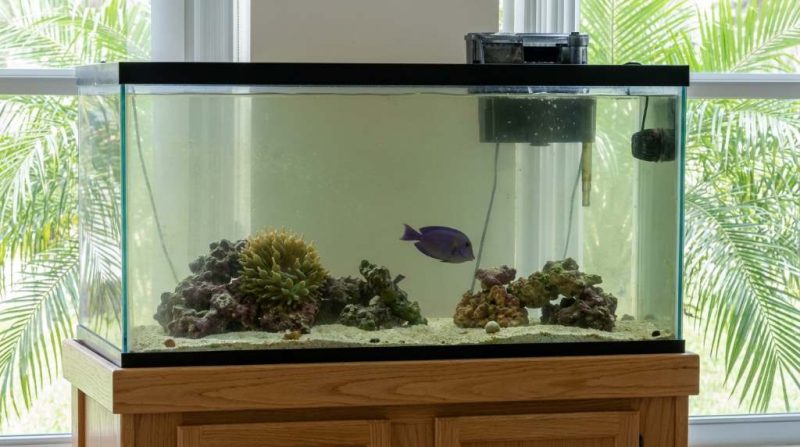
Fix poor tank water flow by cleaning the pump, clearing intake blockages, checking tubing, and repositioning outlets. Most aquariums need roughly 4 to 10 turnovers hourly, while weekly changes often reach 10% to 25%. In Tampa’s warm climate, debris and biological buildup can develop quickly, while aquarium protein film causes surface circulation problems. Therefore, restore mechanical flow first, then correct biological or water-quality issues.
Key Takeaways
- Clean the pump, impeller, intake screen, and hoses before replacing equipment.
- Check actual water movement instead of judging flow from pump noise alone.
- Remove clogged filter media without destroying beneficial biological bacteria.
- Reposition outlets to eliminate stagnant corners and improve surface movement.
- Inspect gravel, decorations, and plants when they obstruct circulation paths.
- Replace worn impellers, cracked tubing, or undersized pumps when cleaning fails.
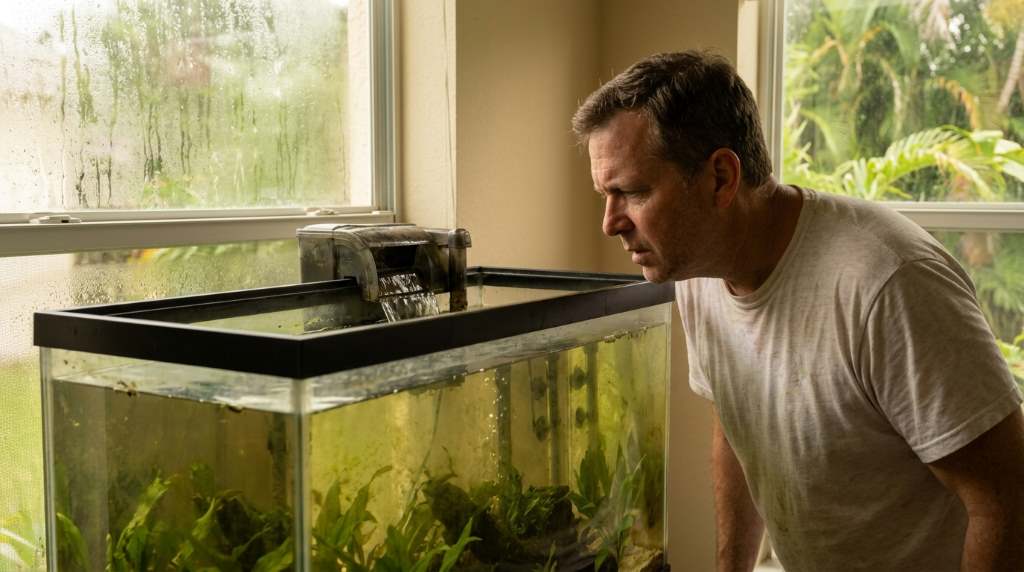
1. Find Where Your Tank Flow Is Losing Strength
Start by observing the entire circulation path from the pump intake to the return outlet. Weak flow usually develops at one restriction point rather than throughout the system. Therefore, inspect every component before buying a stronger pump or circulation device.
Watch floating particles, plant movement, and surface ripples for several minutes. Strong circulation should move water throughout the aquarium without creating one powerful stream. If debris settles behind decorations, you likely have a localized dead zone.
Next, switch off the equipment and inspect the intake area carefully. Fish waste, plant fragments, algae, gravel, and filter debris can restrict water entering the pump.
Also check whether tubing contains kinks, collapsed sections, or trapped air. Flexible hoses can develop hidden restrictions when equipment shifts or bends against cabinet walls.
Check These Warning Signs
- Weak surface movement despite normal pump operation.
- Debris repeatedly collecting in the same corner.
- Water returning slowly from the filter outlet.
- Pump vibration without corresponding water movement.
- Cloudy water appearing after circulation weakens.
2. Clean the Pump and Remove Hidden Restrictions
A dirty impeller can dramatically reduce circulation even when the motor continues running. Begin by unplugging the pump and removing it according to the manufacturer’s instructions. Then rinse removable components with aquarium-safe water, preferably water treated for chlorine and chloramine.
Pay particular attention to the impeller, impeller chamber, intake guard, and return nozzle. Mineral deposits can accumulate around narrow passages and gradually reduce the pump’s effective output.
If your aquarium uses a separate circulation pump, inspect its protective housing too. Manufacturers often recommend periodic cleaning because biological deposits can interfere with impeller movement.
When you clean aquarium equipment, avoid household detergents, soaps, and disinfectants. Even tiny chemical residues can harm fish, invertebrates, plants, or beneficial microorganisms.
For smaller water features or auxiliary circulation systems, selecting the correct pump also matters. This guide about choosing a small fountain pump explains important pump-sizing considerations that also apply to compact aquatic systems.
Clean the Impeller Correctly
- Disconnect electrical power before removing the pump.
- Remove the impeller cover carefully.
- Lift the impeller without forcing brittle components.
- Rinse away sludge and organic buildup.
- Clean the chamber with a dedicated aquarium brush.
- Reassemble everything securely before restarting circulation.
After cleaning, restart the pump and listen for changes in vibration or noise. A smoother sound combined with stronger flow usually confirms that buildup caused the restriction.
3. Inspect Filter Media Without Destroying Beneficial Bacteria
Filters often lose flow because their mechanical media captures too much suspended debris. Sponges, floss, pads, and prefilters can become densely packed and restrict water movement.
However, never replace every biological medium unnecessarily during one cleaning session. Beneficial bacteria colonize established media, so aggressive replacement can destabilize the nitrogen cycle.
Instead, rinse reusable mechanical media using removed aquarium water. This approach removes trapped debris while preserving much of the established biological community.
For reef aquariums, cloudy water can involve particles, bacterial blooms, or other factors beyond simple mechanical blockage. If unusual cloudiness accompanies weak circulation, this resource on fixing milky reef water provides useful troubleshooting context.
Know Which Media Needs Attention
- Mechanical media: Clean when debris visibly restricts flow.
- Biological media: Rinse gently and avoid unnecessary replacement.
- Chemical media: Replace according to the product’s intended service life.
- Prefilters: Inspect frequently because they catch large debris first.
If water flow improves immediately after cleaning mechanical media, avoid increasing pump power. The restriction likely came from maintenance rather than insufficient equipment.
4. Reposition Outlets to Eliminate Dead Zones
Even a powerful pump can produce poor circulation when its outlet points incorrectly. Aim returns across the aquarium rather than directly toward nearby glass or substrate.
Create overlapping circulation patterns instead of one straight current. Water should travel across the tank, circulate through open areas, and return toward the intake.
Move decorations slightly when they block important circulation routes. Large rocks, artificial structures, driftwood, and dense plants can create sheltered pockets where waste accumulates.
Gravel can also influence circulation near the bottom, especially when fine particles compact around debris. Regularly maintaining substrate helps prevent organic material from becoming a persistent source of obstruction.
For practical substrate maintenance, this guide on cleaning aquarium gravel safely offers useful techniques for removing trapped material.
Use a Simple Flow Test
Drop a tiny amount of harmless food or aquarium-safe particulate near the return outlet. Watch its movement instead of focusing only on surface ripples.
Good circulation should carry particles through multiple areas before they reach the intake. If particles immediately settle behind one decoration, redirect the outlet or add supplemental circulation.
Do not create excessive current simply because stronger flow looks impressive. Fish and aquatic plants require species-appropriate movement, while some inhabitants prefer calmer areas.
5. Check Water Level and Pump Position
Low water levels can reduce pump performance, especially when the intake approaches the surface. Evaporation can therefore create circulation problems before the aquarium looks noticeably underfilled.
Check the recommended operating water level for your filtration system. Keep the pump fully submerged when its design requires continuous submersion.
Also verify that the pump sits securely and remains properly aligned. A tilted pump can draw air or vibrate against the aquarium, reducing consistent water movement.
In Tampa’s warm conditions, evaporation may occur faster during hot periods. Therefore, inspect water level more frequently when indoor temperatures rise or air conditioning runs heavily.
Watch for Air Entering the System
- Listen for intermittent rattling or gurgling.
- Look for bubbles emerging from the return.
- Check whether the intake sits too close to the surface.
- Inspect connections for loose fittings.
- Confirm that hoses remain completely open.
Persistent air intake can make a pump sound active while moving surprisingly little water. Correct the water level or connection problem before changing equipment.
6. Examine Tubing, Valves, and Connections
External filtration systems depend on unobstructed water movement through every hose and fitting. Even a small restriction can reduce the return rate significantly.
Inspect hoses for algae, mineral deposits, bends, and internal sludge. Transparent tubing makes buildup easier to identify, especially when circulation gradually declines.
Next, check valves and connectors for partial closures. A valve that looks open may still restrict flow if its internal mechanism sticks.
Replace damaged tubing instead of forcing it into sharp bends. Smooth routing reduces resistance and helps pumps maintain more consistent circulation.
Use This Inspection Sequence
- Inspect the intake hose.
- Check every connector.
- Examine valves and flow controls.
- Look inside return tubing.
- Confirm the outlet remains unobstructed.
After correcting one restriction, restart the system and compare flow against its previous performance. This method helps identify the exact component responsible for the loss.
7. Decide Whether Your Pump Is Actually Undersized
Cleaning will not solve poor circulation when the pump cannot meet the aquarium’s hydraulic requirements. Tank volume alone does not determine the appropriate pump capacity.
Head height, tubing length, fittings, filter resistance, and outlet design all affect actual water movement. Therefore, compare the manufacturer’s flow rating against the system’s real operating conditions.
Remember that advertised pump flow usually represents ideal conditions. Actual circulation can drop after water travels through hoses, media, elbows, and other restrictions.
For reef systems, aquarists often use additional circulation pumps rather than forcing the primary filter to handle every movement requirement. This approach can create broader circulation without overwhelming the filtration pathway.
Consider Replacement When These Signs Appear
- The cleaned pump still produces consistently weak output.
- The impeller shows cracks, excessive wear, or deformation.
- The motor repeatedly overheats or stops.
- The manufacturer no longer supports replacement components.
- The aquarium layout changed substantially after installation.
Choose equipment according to livestock requirements and actual tank dimensions. Bigger does not automatically mean better because excessive current can stress some aquatic species.
8. Improve Circulation Without Creating Excessive Current
Healthy circulation balances oxygen distribution, waste transport, temperature consistency, and nutrient delivery. Yet excessive velocity can cause its own problems.
Watch fish behavior after adjusting flow. Fish constantly fighting the current, hiding behind objects, or struggling to swim may indicate excessive circulation.
Plants can provide useful visual feedback because leaves should move gently without bending continuously under extreme force. Meanwhile, debris should remain mobile enough to reach mechanical filtration.
Consider using adjustable circulation pumps when your aquarium needs broader movement. Multiple moderate currents can distribute water more evenly than one extremely strong stream.
Create Three Practical Flow Zones
- High flow: Position near filtration returns when livestock tolerate stronger movement.
- Moderate flow: Maintain this zone across most open swimming areas.
- Low flow: Preserve calmer areas for species that require shelter.
This arrangement creates a more natural environment while reducing persistent dead zones. It also gives livestock opportunities to choose comfortable positions throughout the aquarium.
9. Prevent Poor Tank Water Flow From Returning
Prevention works better when you treat circulation as a maintenance system rather than an emergency repair. Establish a simple inspection routine based on your aquarium’s bioload and equipment.
Inspect the intake and prefilter weekly when the aquarium produces substantial debris. Clean mechanical media whenever accumulated material noticeably reduces water movement.
Schedule deeper pump and tubing inspections before performance drops sharply. Waiting for obvious failure can allow debris, mineral deposits, and biological buildup to accumulate together.
Keep a simple maintenance record showing cleaning dates and observed flow strength. Changes become easier to recognize when you compare today’s performance with previous observations.
A Practical Tampa Aquarium Maintenance Routine
- Weekly: Check water level, intake, surface movement, and visible debris.
- Biweekly: Inspect mechanical filtration and circulation equipment.
- Monthly: Examine tubing, impellers, fittings, and outlet positioning.
- Seasonally: Reassess pump capacity after major aquascaping changes.
- When needed: Test water parameters if poor flow accompanies livestock stress.
Local environmental conditions can increase maintenance demands, particularly during warmer periods. Consistent observation helps you identify gradual performance losses before they affect aquarium stability.
10. When Professional Aquarium Service Makes Sense
Some circulation problems require more than cleaning because several system components can interact. Professional service becomes useful when flow repeatedly drops despite proper maintenance.
Seek experienced help when pumps overheat, electrical components behave unpredictably, or livestock show persistent stress. Electrical equipment and water create a combination that requires careful handling.
Professional technicians can also evaluate pump sizing, plumbing resistance, filtration capacity, and aquascape placement together. That broader assessment often solves recurring problems more effectively than replacing individual parts.
For reef systems, professional troubleshooting can prove especially valuable when poor circulation coincides with persistent cloudiness or unusual livestock behavior. Addressing the underlying system imbalance protects both equipment and aquarium inhabitants.
Conclusion: Restore Consistent Flow Before Problems Multiply
Poor tank water flow usually results from clogged filtration, dirty pump components, restricted tubing, incorrect outlet placement, or inadequate equipment. Start with cleaning and inspection before spending money on replacements.
Then improve outlet positioning and remove physical barriers that create stagnant zones. If circulation remains weak, evaluate pump capacity against the entire plumbing system.
Do not ignore recurring flow problems because stagnant water can allow debris and waste to accumulate. Take action today by inspecting your pump, intake, filter media, tubing, and outlet direction.
FAQs About Poor Tank Water Flow in Tampa, FL
Why is my aquarium water flow suddenly weak?
A clogged intake, dirty impeller, blocked filter media, kinked hose, or low water level commonly causes sudden flow loss.
How often should I clean an aquarium pump?
Inspect the pump regularly and clean it whenever debris or mineral buildup noticeably reduces circulation.
Can too much filter media reduce water flow?
Yes, densely clogged mechanical media can restrict water movement and substantially reduce filter output.
Should I buy a stronger aquarium pump?
Only consider a stronger pump after eliminating blockages, poor plumbing, incorrect positioning, and equipment wear.
How can I tell whether my aquarium has dead zones?
Watch for recurring debris accumulation, weak plant movement, and stagnant areas behind decorations or structures.
