
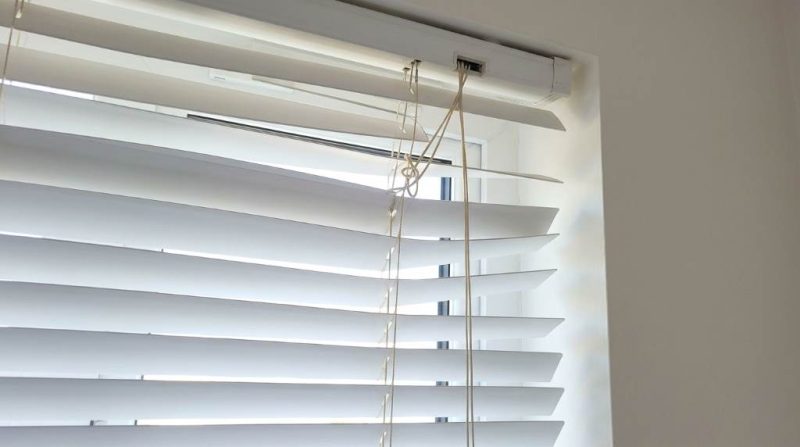
Window blinds improve privacy, light control, and indoor comfort. However, stuck cords remain one of the most common blind problems homeowners face. Industry reports show that millions of window coverings require maintenance every year. Additionally, blind cord issues account for a large share of household window treatment repairs. If you need to fix window blind closing problem situations, understanding cord mechanisms helps greatly. This guide explains how to fix stuck cord issues in Dallas, TX windows using practical solutions that work.
Understanding Why Blind Cords Get Stuck
Blind cords move through several internal components every day. Over time, friction affects these moving parts. As a result, the lifting system becomes harder to operate. Furthermore, dust accumulation increases resistance inside the headrail. Therefore, cords may jam unexpectedly during normal use.
Dallas homes experience unique environmental conditions throughout the year. High summer temperatures often affect plastic components. Meanwhile, seasonal humidity changes can impact internal mechanisms. Consequently, blinds may develop operational problems faster than expected. Understanding these causes helps homeowners address issues effectively.
Several warning signs usually appear before complete cord failure. The cord may feel tighter than normal. Likewise, blinds may lift unevenly during operation. In some cases, the cord locks unexpectedly halfway. Recognizing these symptoms early often prevents costly repairs later.
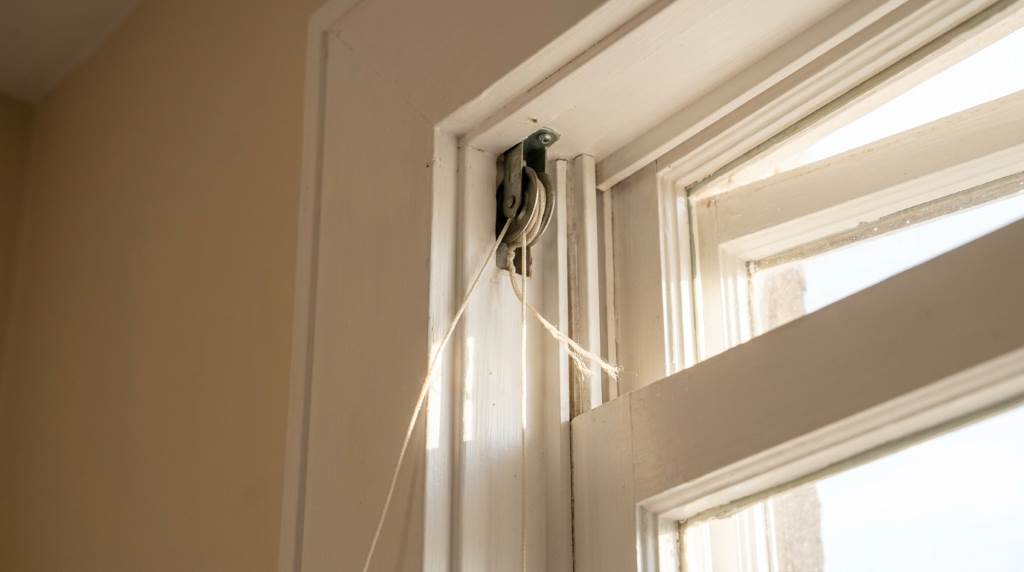
Common Causes of Stuck Blind Cords
Dust and Debris Build Up
Dust remains one of the leading causes of cord problems. Tiny particles enter the headrail through small openings. Eventually, debris collects around pulleys and locking systems. Therefore, movement becomes restricted during operation. Regular cleaning helps prevent this common issue.
Many Dallas homeowners focus on visible surfaces only. However, hidden blind components need attention too. While organizing interior spaces, some homeowners also explore ideas like decorate home in skyrim themed designs. Similarly, maintaining decorative window treatments preserves both function and appearance. Consistent cleaning extends blind lifespan significantly.
Twisted or Tangled Cords
Cord tangles often develop after repeated daily use. Children and pets may accidentally pull cords sideways. As a result, internal alignment changes over time. Eventually, the lifting mechanism struggles to move freely. Untangling the cord usually restores smooth operation.
Damaged Cord Locks
The cord lock secures blinds at the desired height. Nevertheless, frequent use gradually wears internal components. Once wear becomes severe, the lock may grip incorrectly. Consequently, cords become difficult to release or adjust. Replacing the lock often solves the problem quickly.
Heat Related Component Expansion
Dallas summers create intense indoor temperatures near windows. Direct sunlight heats blinds for hours daily. Because of this exposure, some materials expand slightly. Although the expansion seems minor, it affects moving components. Therefore, cord systems may become temporarily stuck.
Tools You Need Before Starting Repairs
Preparing proper tools improves repair efficiency considerably. Moreover, organized work reduces accidental damage. Most homeowners already own many required items. Consequently, repairs remain affordable and convenient. Gather everything before beginning the inspection process.
- Flathead screwdriver
- Phillips screwdriver
- Soft microfiber cloth
- Vacuum with brush attachment
- Needle nose pliers
- Replacement cord if needed
- Silicone based lubricant
- Small flashlight
Having these tools nearby prevents interruptions. Additionally, proper equipment helps identify hidden problems faster. Taking a systematic approach usually delivers better results. Therefore, preparation remains an important first step.
Step By Step Process to Fix Stuck Cord Issues
Inspect the Blind Thoroughly
Start by examining the entire blind carefully. Look for visible tangles or damaged sections. Next, inspect the headrail using a flashlight. Pay attention to unusual wear patterns. Identifying the exact cause saves time during repairs.
Check whether the blind sits level across the window. If one side appears lower, an internal issue may exist. Furthermore, observe how the cord responds during gentle pulling. Any unusual resistance indicates the problem area. Accurate diagnosis improves repair success.
Clean the Internal Mechanism
Remove accumulated dust from accessible components first. Use a vacuum brush attachment carefully around moving parts. Then wipe surfaces using a microfiber cloth. As debris disappears, cord movement often improves immediately. This simple step solves many common issues.
When updating interiors, homeowners often focus on details such as painters tape perfect wall edges techniques. Likewise, attention to small blind components produces better maintenance results. Consistent care prevents larger mechanical failures. Therefore, cleaning should become a regular habit.
Release a Jammed Cord Lock
Pull the cord gently toward the center of the blind. This movement often releases the locking mechanism. Afterward, test the lifting function slowly. If movement returns, the lock likely caused the problem. Continue operating carefully to confirm stability.
Avoid excessive force during this process. Strong pulling can damage delicate internal parts. Instead, use steady and controlled movements. Patience usually produces better outcomes. Most locks respond well to gentle adjustment.
Straighten Twisted Cords
Inspect the entire cord length for twists. If twisting exists, lower the blinds completely first. Then allow the cord to hang naturally. Many twists unwind automatically under light tension. This simple method often restores proper function.
For stubborn tangles, separate cord strands carefully. Use your fingers instead of sharp tools. Furthermore, work slowly to avoid fraying. Once straightened, test operation several times. Smooth movement confirms successful correction.
Lubricate Moving Components
Apply a small amount of silicone lubricant where needed. Focus on pulleys and moving contact points. However, avoid excessive application. Too much lubricant attracts additional dust. A light coating provides the best results.
After lubrication, operate the blind repeatedly. This action distributes the product evenly. Consequently, friction decreases throughout the system. Improved movement usually becomes noticeable immediately. Proper lubrication extends component life considerably.
A Rare but Real Dallas Specific Blind Problem
Many articles overlook thermal window pressure effects. Yet this issue affects numerous Dallas homes. Large south facing windows absorb substantial solar heat daily. Consequently, blinds experience repeated expansion and contraction cycles. Over time, these cycles affect cord alignment.
Homes with energy efficient windows face this situation more often. Modern glass retains heat effectively during peak sunlight hours. As temperatures rise behind the blind, internal components shift slightly. Therefore, cords may bind without obvious damage. Understanding this pattern helps explain recurring seasonal problems.
A practical solution involves adjusting blind positioning during extreme heat periods. Slightly opening slats reduces trapped heat. Additionally, using curtains during peak afternoon sunlight helps. These small changes protect internal mechanisms. As a result, cord systems remain smoother year round.
When Cord Replacement Becomes Necessary
Some cords eventually wear beyond repair. Fraying, thinning, or broken strands indicate replacement needs. Continuing to use damaged cords creates safety risks. Therefore, replacement becomes the smarter choice. New cords restore reliability and performance.
Measure the original cord carefully before purchasing replacements. Matching size and strength remains important. Furthermore, quality materials last longer under daily use. Investing in durable replacement cords often reduces future repairs. The extra cost usually provides better long term value.
Preventive Maintenance Tips
Preventive care remains the best repair strategy. Small maintenance efforts reduce major problems significantly. Moreover, routine inspections reveal issues before failure occurs. Consistent care also extends product lifespan. Homeowners save both time and money.
- Dust blinds every week
- Vacuum headrails monthly
- Inspect cords for wear regularly
- Avoid pulling cords aggressively
- Keep blinds away from excess moisture
- Reduce direct heat exposure when possible
- Test cord locks periodically
Many homeowners also invest in upgrades such as charlotte nc smart home remodeling inspired automation features. While smart systems improve convenience, traditional blind maintenance remains essential. Mechanical components still require regular attention. Therefore, preventive care should never be ignored.
When to Call a Professional
Some repairs exceed typical homeowner capabilities. Complex internal damage often requires specialized knowledge. Additionally, large custom blinds contain intricate mechanisms. Attempting difficult repairs may increase damage. Professional assistance becomes the safest option.
Seek expert help if cords break inside the headrail. Likewise, contact professionals when multiple components fail simultaneously. Persistent problems after repairs also deserve expert evaluation. Experienced technicians diagnose hidden issues quickly. Their expertise often saves considerable frustration.
Conclusion
Learning how to fix stuck cord issues in Dallas, TX windows helps homeowners maintain comfortable living spaces. Most cord problems result from dust, tangles, heat exposure, or worn components. Fortunately, many issues respond well to careful cleaning and adjustment. Regular maintenance prevents costly repairs while extending blind lifespan. Start inspecting your blinds today and address small problems before they become major failures.
FAQs
Why does my blind cord suddenly stop working?
Dust buildup, tangled cords, or a stuck locking mechanism usually cause sudden cord failure.
Can Dallas heat affect window blind cords?
Yes, extreme heat can expand components and create temporary cord alignment issues.
How often should I clean blind mechanisms?
Cleaning internal components every month helps prevent most cord related problems.
Is silicone lubricant safe for blind repairs?
Yes, a small amount of silicone lubricant reduces friction without damaging components.
When should I replace a blind cord?
Replace the cord immediately if you notice fraying, thinning, or broken strands.
