
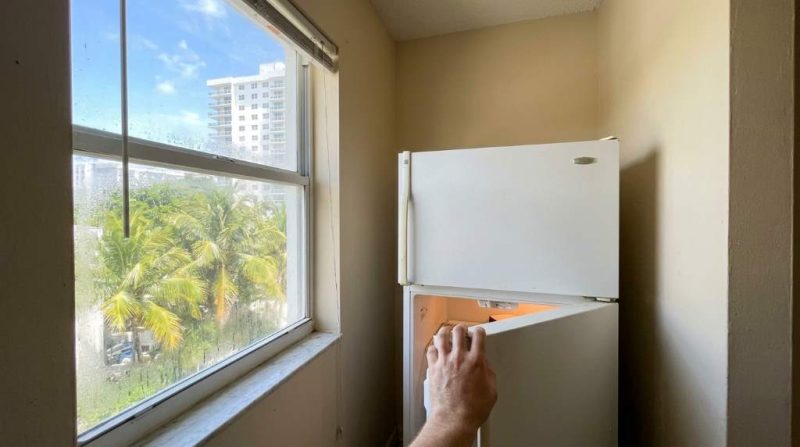
Kitchen cooling systems work harder in Miami than in many other cities across the United States. High humidity, warm temperatures, and constant appliance use create unique challenges for apartment residents. According to climate data, Miami experiences average annual humidity levels above 70%, while summer temperatures often exceed 90°F. As a result, cooling appliances face constant strain throughout the year. Many homeowners also encounter a refrigerator compressor overload problem when cooling systems struggle to maintain proper temperatures in demanding conditions.
Understanding why kitchen cooling systems fail frequently in Miami, FL apartments can help residents prevent expensive repairs and extend appliance life. Local climate conditions play a major role, but several overlooked factors contribute to repeated breakdowns. Furthermore, apartment layouts, ventilation limitations, and maintenance habits often increase the burden on refrigerators and other cooling equipment. Learning about these causes allows residents to take practical steps before minor issues become major failures.
Miami’s Climate Creates Constant Stress on Cooling Systems
Miami’s tropical climate remains one of the biggest reasons kitchen cooling systems experience frequent failures. Refrigerators continuously work to maintain internal temperatures despite hot and humid surroundings. Consequently, compressors run longer cycles and consume more energy. This ongoing workload accelerates wear on critical components.
Humidity creates another challenge for apartment kitchens. Moisture in the air forces cooling systems to remove additional heat during operation. As a result, condensers and evaporator coils work harder than normal. Over time, excessive moisture contributes to component deterioration and reduced efficiency.
Unlike cooler regions where appliances receive seasonal relief, Miami cooling systems rarely get a break. Even during winter months, temperatures remain relatively warm. Therefore, refrigerators operate under near-constant demand throughout the year. Continuous operation increases the likelihood of mechanical failures.
Poor Kitchen Ventilation in Apartment Buildings
Many Miami apartments feature compact kitchen layouts with limited airflow. Refrigerators require adequate ventilation around the condenser coils to release heat effectively. However, tight spaces often trap warm air behind appliances. This heat buildup forces systems to work harder.
Older apartment buildings commonly lack modern ventilation designs. Consequently, kitchen heat accumulates faster during cooking activities. Refrigerators located near ovens, stoves, or dishwashers face even greater thermal stress. The additional heat load significantly impacts cooling performance.
Property owners sometimes prioritize aesthetics over appliance clearance requirements. As a result, refrigerators get installed too close to walls or cabinets. Restricted airflow reduces heat dissipation efficiency. Eventually, components overheat and fail prematurely.
Dirty Condenser Coils Cause Hidden Problems
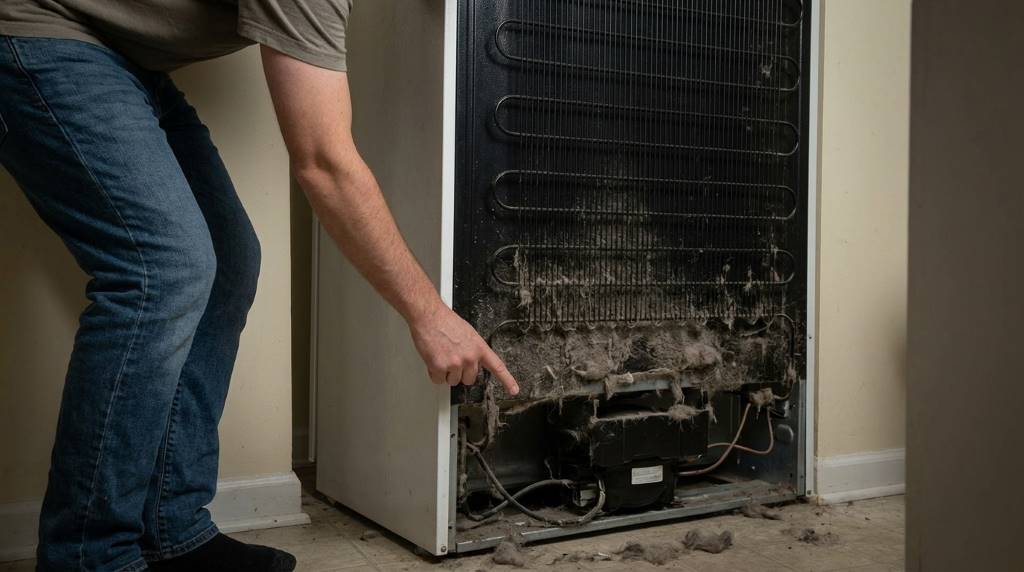
Condenser coils release heat generated during the cooling process. When dust, grease, and debris accumulate on these coils, heat transfer becomes less efficient. Consequently, the compressor operates longer to achieve the same cooling effect. Increased workload leads to faster wear.
Apartment kitchens often produce airborne grease particles during cooking. These particles stick to condenser coils and attract dust over time. Furthermore, residents may overlook coil cleaning because the components remain hidden. The gradual buildup creates a significant efficiency loss.
Routine maintenance prevents many avoidable failures. Cleaning condenser coils every few months improves airflow and reduces energy consumption. Therefore, homeowners can lower operating costs while extending appliance lifespan. Simple maintenance often prevents expensive repairs.
Electrical Fluctuations and Power Surges
Miami experiences frequent thunderstorms and seasonal weather events. These conditions increase the risk of power surges and voltage fluctuations. Electrical disturbances can damage compressors, control boards, and sensors. Consequently, cooling systems may fail unexpectedly.
Apartment complexes often share electrical infrastructure among multiple units. During periods of heavy demand, voltage inconsistencies sometimes occur. As a result, appliances receive unstable power that affects long-term performance. Sensitive electronic components remain especially vulnerable.
Installing surge protectors helps reduce this risk. Additionally, residents should unplug appliances during severe storms when possible. Taking preventive measures protects valuable kitchen equipment from sudden electrical damage. Small investments often prevent major replacement costs.
Improper Appliance Placement Increases Heat Load
Kitchen design directly affects appliance performance. Refrigerators positioned beside ovens or exposed to direct sunlight absorb additional heat throughout the day. Consequently, cooling systems must compensate for higher ambient temperatures. This extra workload accelerates wear on internal components.
Many apartment kitchens offer limited placement options. Therefore, residents often position appliances wherever space permits. Unfortunately, poor placement can significantly reduce efficiency. Even a few degrees of extra heat can affect long-term performance.
Whenever possible, refrigerators should remain away from heat-generating appliances. Adequate spacing improves airflow and heat dissipation. Furthermore, strategic placement reduces compressor cycling frequency. This simple adjustment often extends appliance longevity.
Overloading Refrigerators Reduces Efficiency
Many apartment residents maximize refrigerator storage due to limited kitchen space. While organization matters, excessive loading restricts airflow inside the appliance. As a result, cooling becomes uneven and less efficient. Certain areas may remain warmer than intended.
Proper air circulation helps maintain consistent temperatures throughout the refrigerator. However, overcrowded shelves block cold air movement. Consequently, the compressor works harder to compensate. Long-term strain increases mechanical wear.
Maintaining balanced storage improves cooling performance. Residents should avoid packing items tightly against vents. Additionally, regular organization prevents airflow obstructions. Small habits contribute significantly to appliance health.
The Impact of Salt Air Near Coastal Areas
One often overlooked factor in Miami involves salt-laden coastal air. Apartments located near the ocean experience greater exposure to airborne salt particles. These particles accelerate corrosion on metal appliance components. Consequently, cooling systems may fail sooner than expected.
Salt corrosion affects condenser coils, electrical connections, and exposed hardware. Even indoor appliances experience gradual exposure through ventilation systems and open windows. Therefore, coastal environments create unique maintenance challenges. Many national appliance guides rarely address this issue in detail.
Residents near the coast should inspect appliances regularly for corrosion signs. Cleaning exposed surfaces helps reduce salt accumulation. Furthermore, professional inspections can identify developing problems early. Preventive care minimizes expensive damage.
Modern Smart Refrigerators Face Additional Challenges
Many newer cooling systems include advanced electronics and smart features. While these technologies improve convenience, they also introduce more failure points. Sensors, touch panels, and control boards remain sensitive to heat and humidity. Consequently, repairs become more complex.
Humidity can affect electronic components over time. As a result, communication errors and sensor malfunctions may occur. Traditional mechanical systems often tolerate harsh conditions better. However, smart appliances require more consistent environmental control.
Residents should follow manufacturer maintenance recommendations carefully. Software updates may also improve system performance. Therefore, keeping smart features properly maintained helps reduce unexpected issues. Preventive attention remains essential.
Maintenance Habits That Extend Cooling System Life
Preventive maintenance remains the most effective defense against frequent failures. Simple inspections help identify small issues before they become major problems. Additionally, routine cleaning improves efficiency and lowers energy consumption. Consistent care extends appliance lifespan significantly.
Many residents overlook basic maintenance tasks until performance declines. However, proactive care reduces repair expenses over time. Homeowners who prioritize maintenance often experience fewer breakdowns. As a result, appliances remain reliable for longer periods.
Recommended Maintenance Checklist
- Clean condenser coils every three to six months.
- Inspect door seals for leaks and damage.
- Maintain proper clearance around appliances.
- Check temperature settings regularly.
- Monitor unusual noises or cycling patterns.
- Use surge protection during storm seasons.
Residents upgrading kitchen appliances may also benefit from reviewing home appliance must haves that improve efficiency and support modern kitchen functionality. Choosing the right equipment helps reduce strain on cooling systems while improving overall performance.
How Sustainable Kitchen Practices Help Cooling Systems
Energy-efficient habits can reduce appliance workload considerably. For example, limiting unnecessary door openings helps maintain stable temperatures. Consequently, compressors cycle less frequently and experience reduced wear. Small behavioral changes produce meaningful results.
Many homeowners now embrace environmentally conscious kitchen strategies. Implementing zero waste kitchen tools often improves organization and storage efficiency. Better organization reduces refrigerator door-open time and supports more consistent cooling performance.
Reducing food waste also decreases overcrowding inside refrigerators. Therefore, air circulation improves naturally. Efficient storage habits support both sustainability goals and appliance longevity. These benefits make eco-friendly practices especially valuable.
Water Line Issues Can Affect Refrigerator Performance
Many modern refrigerators include water dispensers and ice makers. These features depend on reliable water connections for proper operation. Leaks or installation problems may affect surrounding appliance components. Consequently, maintenance becomes even more important.
Homeowners installing new refrigerators should understand how to hook up water connections correctly. Proper installation reduces leak risks and helps ensure efficient appliance performance. Attention to detail prevents avoidable service calls.
Regular inspections help identify moisture problems early. Furthermore, addressing small leaks prevents larger appliance issues. Proper water line maintenance supports overall refrigerator reliability. Preventive care always delivers long-term value.
Conclusion
Kitchen cooling systems fail frequently in Miami, FL apartments because of unique environmental and structural challenges. High humidity, constant heat, limited ventilation, electrical fluctuations, and coastal salt exposure all contribute to increased appliance stress. Furthermore, poor maintenance habits and improper appliance placement often accelerate wear. Understanding these factors allows residents to prevent many common failures.
Taking proactive steps such as cleaning condenser coils, improving ventilation, protecting appliances from power surges, and monitoring performance can significantly extend cooling system lifespan. If your refrigerator or kitchen cooling equipment shows signs of trouble, schedule a professional inspection before minor issues become costly repairs. Early action protects both your investment and your daily comfort.
FAQs
Why do refrigerators fail more often in Miami apartments?
High humidity, warm temperatures, and limited ventilation place constant stress on cooling systems.
How often should condenser coils be cleaned?
Most refrigerators benefit from coil cleaning every three to six months.
Can salt air damage kitchen appliances?
Yes, airborne salt particles can accelerate corrosion on metal and electrical components.
Do power surges affect refrigerator performance?
Yes, voltage fluctuations and surges can damage compressors and electronic control boards.
What is the easiest way to improve refrigerator efficiency?
Keeping condenser coils clean and maintaining proper airflow around the appliance helps immediately.
