
Imagine your dog dragging you down the street like a sled. You love walks, but pulling ruins the fun. Many owners face this issue every day. Yet, you can change it fast with the right tools and methods.
Leash pulling affects most dogs. According to the American Kennel Club, pulling ranks as a top complaint among owners. A study in the Journal of the American Veterinary Medical Association shows dog-pulling causes most handler injuries.
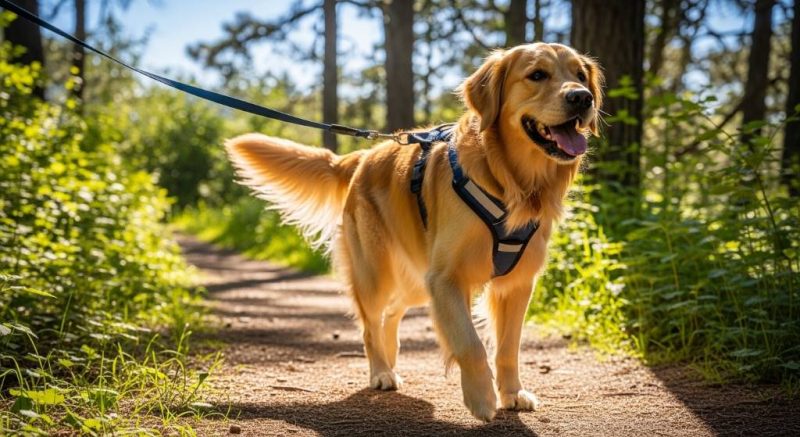
Tools like a no-pull dog harness help redirect your dog gently. This front-clip design turns your pup toward you when they tug. It stops pulling without harm.
No-pull gear works with training. Recent research confirms front-clip harnesses reduce pulling force and stress. Dogs walk calmer and happier.
You gain control. Your dog learns manners. Walks become joyful again.
This guide shares seven expert tips. Each builds skills step by step. Follow them for loose-leash success.
Why Dogs Pull on Leash and How No-Pull Gear Helps
Dogs pull for excitement. They chase smells or sights. Pulling works—it moves them forward.
However, collars hurt necks. Harnesses spread pressure better.
No-pull harnesses shine here. Front attachment redirects energy. Your dog faces you instead of lunging.
Studies back this. A 2024 PeerJ study compared tools. Front-clip harnesses cut pulling most without stress.
Moreover, they prevent injuries. Trachea stays safe. Shoulders guide gently.
Trainers love them. The AKC recommends front-hook options for pullers.
Gear alone trains partly. Combine with tips below. Results come quick.

Tip 1: Choose the Right No-Pull Harness for Your Dog
Fit matters most. Loose harnesses fail. Tight ones chafe.
Measure chest and neck. Add two inches for comfort.
Seek front-clip designs. Martingale loops add gentle pressure.
Padded straps help long walks. Breathable material keeps dogs cool.
Moreover, adjustable points ensure snug hold. Four straps work best.
Avoid back-clip for training. They encourage pulling like sleds.
Experts suggest Y-shapes. They allow natural movement.
Test fit. Dog should move freely. No rubbing under arms.
Popular choices reduce pulling 90% with practice.
Start simple. Your dog adapts fast.
Tip 2: Fit the Harness Correctly to Avoid Escapes
Wrong fit causes slips. Dogs back out easy.
Place chest strap behind front legs. It sits low on breastbone.
Shoulder straps cross high. Not on throat.
Belly strap goes behind ribs. Snug but two fingers fit under.
Adjust daily at first. Dogs change with meals or play.
Moreover, color-code helps. Gray shoulder, colored belly—quick on/off.
Check during walks. Tighten if loose.
Vets warn loose fits risk escape.
Proper fit stops pulling before starts. Dog feels secure.
Practice at home. Pair with treats. Positive vibes build.
Tip 3: Use Positive Reinforcement to Reward Loose Leash
Treats motivate best. Reward slack leash often.
Start indoors. Clip leash. Mark good moments with “yes.”
Treat every few steps. High-value bits like chicken.
However, ignore tight leash. No forward move.
Turn away if pulls. Wait for slack. Praise huge.
Moreover, vary rewards. Sometimes play or praise.
Studies show rewards beat punishment. Dogs learn faster, stress less.
Build duration. Ten steps, then twenty.
Consistency wins. Everyone in house follows rules.
Your dog connects loose leash with good things.
Tip 4: Master the “Be a Tree” Method for Instant Stops
Pull happens? Stop dead. Become a tree.
Stand still. No talk. No eye contact.
Dog looks back. Leash slacks. Praise and treat.
Move again. Repeat as needed.
This teaches pulling halts fun. Slack resumes walk.
Trainers swear by it. AKC experts use daily.
Combine with harness. Front clip turns dog naturally.
Moreover, add direction changes. U-turns surprise pullers.
Short sessions first. Five minutes build focus.
Patience pays. Dogs catch on quick.
Walks turn peaceful. You lead again.
Tip 5: Incorporate Direction Changes and Speed Variations
Predictable walks bore dogs. They pull for excitement.
Change directions often. Say “this way.” Turn sharply.
Dog follows. Reward big.
Vary speed too. Slow crawl, then jog.
This keeps attention on you. Pulling predicts nothing.
Moreover, zigzag patterns work wonders.
Experts call it red-light green-light.
Harnesses help turns. Gentle redirect without yank.
Practice in yard. Add distractions slowly.
Your dog watches you. Bond strengthens.
Fun returns to walks. Pulling fades fast.
Tip 6: Start Training in Low-Distraction Areas
Home first. No pulls there.
Master basics indoors. Hallway walks perfect.
Then yard. Quiet streets next.
Build success. Avoid failures early.
However, busy parks wait. Master calm first.
Short sessions daily. Ten minutes beats hour once.
Moreover, end positive. Quit while ahead.
Research shows gradual exposure works best.
Harnesses shine here. Control without force.
Progress feels good. Dog gains confidence.
Soon, any place works. You both win.
Tip 7: Stay Consistent and Patient Every Single Walk
Rules apply always. No exceptions.
Family agrees. Same commands, rewards.
However, setbacks happen. Regress kindly.
Track progress. Journal helps.
Moreover, exercise before walks. Tired dogs pull less.
Celebrate wins. Loose leash miles add up.
Trainers say consistency cuts training time half.
Harnesses support habits. Gentle reminders daily.
Patience builds trust. Dog tries harder.
Joyful walks await. You created them.
Common Mistakes to Avoid During Leash Training
Inconsistency tops list. Different rules confuse dogs.
Yanking back worsens. Teaches nothing good.
However, retractable leashes reward pulling. Avoid them.
Long leashes too. Tight control first.
Moreover, no rewards. Dogs need payoff.
Punishment backfires. Fear grows, not manners.
Skipping fit checks. Loose harness fails.
Rushing environments. Setbacks follow.
Forgetting fun. Walks should excite both.
Fix these. Progress speeds.
Advanced Techniques for Stubborn Pullers
Double leash works. Front and back clip.
Head halters for extreme cases. Gentle control.
However, introduce slowly. Pair with treats.
Scent games distract. Sniff walks on cue.
Moreover, clicker training marks exact moments.
Professional help if needed. Trainers customize.
Canine good citizen classes build skills.
Persistence pays. Even tough cases improve.
You control outcome. Keep going.
Real-Life Success Stories with No-Pull Gear
Sarah’s Lab pulled hard. Easy Walk changed everything.
First walk, 80% less tug. Week later, loose leash.
Moreover, rescues transform fast. Shelter dogs walk calm.
Big breeds too. Mastiffs heel gentle.
Owners report injuries drop. Shoulders thank harnesses.
Studies confirm. Pulling drops sharp with gear.
Your story next. Start today.
Transformation awaits. Dog thanks you.
Conclusion
Leash pulling frustrates everyone. Yet, seven tips change that.
Choose right harness. Fit perfect. Reward loose.
Stop like tree. Change directions. Vary speed.
Start easy. Stay consistent.
No-pull gear multiplies success. Gentle, effective.
Research proves it. Dogs happier, owners safer.
Walks become bonding time again.
Grab your harness. Treats ready.
Start small. Celebrate progress.
Your dog walks beside you soon.
Loose leash joy starts now.
Take that first step today.
FAQs
What makes a no-pull dog harness better than a collar?
Front clip redirects gently. No neck strain. Studies show less injury risk.
How long does leash training take with no-pull gear?
Weeks for basics. Months for perfection. Consistency speeds it.
Can small dogs use no-pull harnesses?
Yes. Sized options fit all. Gentle control works tiny too.
What if my dog still pulls in the harness?
Check fit. Increase rewards. Add direction changes. Patience helps.
Are no-pull harnesses safe for daily use?
Absolutely. Breathable, padded designs comfort all day. Vets approve.
References
- https://www.akc.org/expert-advice/training/expert-tips-dog-leash-issues/
- https://pmc.ncbi.nlm.nih.gov/articles/PMC11512810/
- https://www.businessinsider.com/guides/pets/best-no-pull-dog-harness
- https://vcahospitals.com/know-your-pet/controlling-pulling-on-leash
