
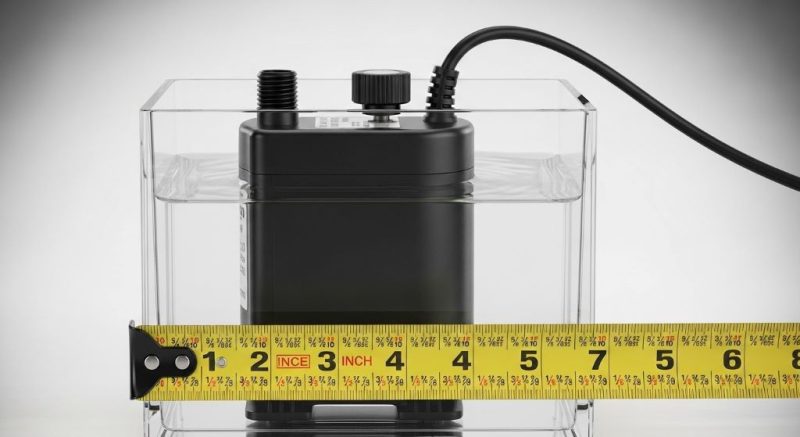
Creating a beautiful water feature in your home or garden doesn’t require a massive installation or complicated equipment. A small fountain bowl can bring the soothing sound of flowing water to any space, whether indoors on a table or outdoors on a patio. However, the success of your fountain depends entirely on choosing the right pump for your specific bowl size and desired effect.
Many people rush into buying a pump without understanding what makes one suitable for their project. This often leads to disappointing results, wasted money, and frustration. Some pumps are too powerful, causing water to splash everywhere. Others are too weak, producing barely a trickle. Getting the right match between your bowl and pump ensures years of enjoyment from your water feature.
This guide will walk you through everything you need to know about selecting the perfect pump for your fountain bowl. You’ll learn how to assess your bowl’s requirements, understand pump specifications, and make an informed decision that creates the exact water effect you’re imagining.
Understanding Fountain Pump Basics
Before diving into selection criteria, it’s helpful to understand how fountain pumps work. These devices use an electric motor to move water from the bowl up through tubing and out through a fountain head or spout. The water then falls back into the bowl, creating a continuous cycle.
Fountain pumps come in two main types: submersible and external. For small bowl fountains, submersible pumps are almost always the better choice. These sit directly in the water, making them quieter and easier to hide. External pumps work better for large installations where the pump can be housed separately.
The pump draws water through an intake filter, which prevents debris from clogging the motor. This filter needs regular cleaning to maintain optimal performance. Inside the pump, an impeller spins rapidly, creating pressure that pushes water upward through the outlet.
Most small fountain pumps run on standard household electricity, though some battery-operated and solar options exist. Electric pumps provide consistent power and are more reliable for continuous operation. Solar pumps work well for outdoor bowls in sunny locations but may struggle on cloudy days.
Measuring Your Bowl and Water Needs
The first step in choosing a pump involves carefully measuring your fountain bowl. You’ll need to know several dimensions to make the right choice.
Start by measuring the bowl’s diameter and depth. These measurements determine how much water your fountain holds and how much space you have to work with. A shallow bowl requires a different approach than a deep one, even if they have the same diameter.
Calculate the water volume your bowl can hold. For round bowls, multiply the radius squared by 3.14, then multiply by the depth. This gives you the volume in cubic inches. Divide by 231 to convert to gallons. Knowing your water volume helps you choose a pump that can circulate it effectively.
Consider the height you want water to reach above the bowl’s rim. This measurement, called the maximum lift or head height, directly affects pump selection. Water traveling higher requires more power. Measure from the water surface to the highest point your fountain will reach.
Think about the width of your desired water stream. Do you want a gentle trickle, a steady stream, or a wider flow? This preference affects the flow rate you’ll need from your pump.
Decoding Pump Specifications
Pump specifications can seem confusing at first, but understanding a few key terms makes comparison shopping much easier.
Flow rate, measured in gallons per hour (GPH), indicates how much water the pump moves. For a small bowl fountain setup, you typically need between 50 and 200 GPH. Smaller bowls work well with lower flow rates, while larger bowls can handle more water movement.
Maximum lift height shows how high the pump can push water vertically. This measurement decreases as flow rate increases. A pump might move 100 GPH at zero lift but only 50 GPH when lifting water 12 inches. Always check the manufacturer’s chart showing the relationship between flow rate and lift height.
Mini pump wattage tells you how much electricity the pump consumes. For small fountains, pumps typically range from 2 to 15 watts. Lower wattage means less electricity use and lower operating costs. However, ensure the pump still has enough power for your needs.
Cord length matters more than people realize. You need to reach an outlet without creating a tripping hazard or stretching the cord taut. Most fountain pumps come with 6-foot cords, but some offer longer options.
Noise level isn’t always listed in specifications, but it’s crucial for indoor fountains. Look for pumps specifically marketed as quiet or ultra-quiet if you’re placing your fountain in a bedroom or office.
Matching Pump Size to Bowl Diameter
The relationship between bowl size and pump power is critical for achieving the right effect. Too much power creates splashing and water loss. Too little power produces an underwhelming display.
For bowls measuring 6 to 10 inches in diameter, look for pumps rated between 40 and 80 GPH. These tiny fountains need gentle water movement to avoid overflow. A small pump also fits more easily in the limited space.
Bowls ranging from 10 to 16 inches in diameter work well with pumps rated 80 to 120 GPH. This size offers more flexibility in creating different effects. You can adjust flow rates to find the perfect balance between visual interest and practical function.
Larger bowls between 16 and 24 inches across typically need pumps rated 120 to 200 GPH. These bigger water features can support multiple spray patterns or wider streams without looking sparse.
Additionally, consider the depth when matching pump to bowl. Shallow bowls need less powerful pumps than deep ones of the same diameter. A shallow bowl with too much power will spray water outside the bowl constantly.
Considering Your Desired Water Effect
The visual effect you want significantly influences pump selection. Different fountain styles require different water flow characteristics.
A simple bubbler effect needs minimal flow rate. Water gently rises above the surface and falls back in a rounded dome. This style works well with pumps rated 40 to 80 GPH and creates a peaceful, subtle display.
Spray patterns require more pressure and flow. Multiple streams shooting upward need pumps in the 100 to 150 GPH range. These create more dramatic effects but also increase evaporation and potential splashing.
Spillway or stream effects where water flows over the edge of an upper bowl into a lower one need consistent flow rates. Calculate the width of your spillway and aim for enough flow to cover it evenly. Generally, you need about 50 GPH per inch of spillway width.
Tiered fountains with multiple levels require careful calculation. Add up the height between each level and choose a pump that can reach the total height while maintaining adequate flow. These setups often need more powerful pumps than single-level designs.
Evaluating Pump Quality and Features
Not all pumps are created equal. Quality differences affect performance, longevity, and maintenance requirements.
Check the pump housing material. Ceramic and stainless steel components last longer than plastic ones, especially in outdoor settings where temperature fluctuations and UV exposure take their toll. However, these premium materials increase cost.
Look for pumps with adjustable flow control. This feature lets you fine-tune the water flow without buying a different pump. A dial or slider gives you flexibility to experiment and find the perfect setting.
Examine the intake filter design. Easy-to-remove filters make maintenance simpler. Some pumps have foam pre-filters that catch larger debris before it reaches the main filter. This two-stage system extends cleaning intervals.
Consider whether you need a pump with fountain head attachments. Many pumps come with multiple spray patterns in the box. Others require separate purchases. Think about whether you’ll want to change effects seasonally or keep the same look year-round.
Energy efficiency varies between models. While the difference in mini pump wattage might seem small, it adds up over time if you run your fountain continuously. An efficient pump pays for itself through lower electric bills.

Planning for Indoor Versus Outdoor Use
The environment where you’ll place your fountain affects pump requirements in important ways.
Indoor fountains benefit from quieter pumps since you’ll hear them more clearly in enclosed spaces. Look for models specifically rated for low noise operation. Magnetic drive pumps tend to run more quietly than standard impeller designs.
Indoor bowls also need careful consideration of water loss. Any splashing creates cleanup work and potential damage to furniture or floors. Therefore, choose pumps on the lower end of the flow rate range for your bowl size.
Outdoor fountains face different challenges. Temperature fluctuations affect pump performance. In cold climates, you’ll need to bring your fountain indoors or drain it completely during winter. Freezing water can crack both bowls and pumps.
Outdoor pumps should have UV-resistant housing if they’ll be exposed to sunlight. Direct sun degrades plastic components over time. Metal or ceramic pumps handle sun exposure better.
Weather-resistant electrical connections matter for outdoor installations. Look for pumps with sealed connections and consider using a ground fault circuit interrupter (GFCI) outlet for safety.
Addressing Common Problems Before They Start
Understanding potential issues helps you choose features that prevent problems down the road.
Clogging is the most common fountain pump problem. Debris in the water blocks the intake filter, reducing flow or stopping the pump entirely. Combat this by choosing pumps with robust filtration and committing to regular cleaning. Adding a pre-filter sponge provides extra protection.
Noise develops when pumps run dry or when mineral deposits accumulate on moving parts. Always maintain water levels above the pump’s minimum requirement. Use distilled water or add mineral reducers if you live in an area with hard water.
Overheating occurs when pumps work too hard. This happens when the maximum lift height exceeds the pump’s capabilities or when filters become clogged. Select a pump rated for slightly more height than you need, providing a safety margin.
Water loss through evaporation and splashing requires regular refilling. Choose a pump that minimizes splashing for your bowl size. Keep water levels topped up, as low water levels force the pump to work harder and potentially run dry.
Algae growth in fountain bowls is inevitable with sunlight exposure. While this doesn’t directly relate to pump selection, knowing you’ll need to clean the system regularly should factor into your decision. Pumps that disassemble easily make maintenance less of a chore.
Calculating Operating Costs
Understanding the long-term costs of running your fountain helps you make an economically sound decision.
Calculate daily electricity use by multiplying your pump’s wattage by 24 hours. Divide by 1,000 to convert to kilowatt-hours. Multiply by your electric rate to find daily cost. For example, a 5-watt pump running 24 hours uses 0.12 kilowatt-hours. At 12 cents per kilowatt-hour, that’s about 1.4 cents per day or roughly 5 dollars per year.
Lower wattage pumps save money over time. The difference between a 5-watt and 10-watt pump might seem trivial, but over several years of continuous operation, it adds up. However, don’t sacrifice adequate performance just to save a few dollars annually.
Consider replacement costs when evaluating pump quality. A cheap pump that fails after one year costs more in the long run than a quality pump that lasts five years, even if the initial price is higher.
Water costs matter in areas with expensive water service. Fountains lose water to evaporation, especially in dry climates or with vigorous water movement. Choosing a pump that minimizes splashing reduces refilling frequency.
Testing and Adjusting Your Setup
Once you’ve selected and installed your pump, fine-tuning ensures optimal performance.
Fill your bowl to the appropriate level before plugging in the pump. Most small fountain bowls work best filled to within an inch or two of the rim. This height provides enough water for circulation while leaving room for movement.
Start with the pump set to its lowest flow setting if it has adjustable flow. Plug it in and observe the water pattern. Let it run for several minutes to work out any air bubbles in the system.
Gradually increase flow rate until you achieve the effect you want. Watch carefully for splashing. Water landing outside the bowl means you need to reduce flow or adjust the fountain head angle.
Check for even water distribution if you’re using a spray pattern. Uneven sprays indicate clogged fountain head holes or air in the lines. Remove and clean the fountain head, then try again.
Listen for unusual noises. Gurgling sounds mean air in the system or low water levels. Grinding or rattling suggests debris in the pump. Address these issues immediately to prevent damage.
Maintaining Your Pump for Longevity
Proper maintenance extends pump life and keeps your fountain looking and sounding its best.
Clean the pump filter weekly for indoor fountains and twice weekly for outdoor ones. Simply remove the pump from the water, detach the filter cover, and rinse the filter under running water. Use a soft brush for stubborn debris.
Completely drain and clean your fountain bowl monthly. This prevents mineral buildup and algae growth. Wipe down all surfaces with a mild vinegar solution to dissolve mineral deposits. Rinse thoroughly before refilling.
Disassemble and deep clean the pump every few months. Follow the manufacturer’s instructions for taking apart your specific model. Clean all components, paying special attention to the impeller and its housing. Mineral deposits on these parts reduce efficiency and increase noise.
Replace water regularly rather than just topping it off. Completely changing the water every few weeks removes accumulated minerals and dissolved solids that contribute to buildup problems.
Store your pump properly during off-season if you’re not running your fountain year-round. Clean it thoroughly, let it dry completely, and store it in a protected location. This prevents internal corrosion and damage from freezing.
Making the Final Purchase Decision
After considering all these factors, you’re ready to make an informed choice.
Write down your bowl’s specific measurements and your desired water effect. Take this list when shopping to keep yourself focused on pumps that match your needs.
Read reviews from other users, particularly those with similar-sized fountains. Real-world experiences reveal information that specifications don’t capture, like actual noise levels or durability issues.
Compare prices across multiple retailers, but don’t automatically choose the cheapest option. Consider the total value, including warranty coverage, included accessories, and expected lifespan.
Check the warranty before buying. Quality manufacturers stand behind their products with at least a one-year warranty. Longer warranties indicate confidence in the pump’s reliability.
Buy from retailers with good return policies. Even with careful research, you might find the pump doesn’t work perfectly for your specific setup. Being able to exchange it for a different model eliminates risk.
Troubleshooting Common Issues
Even with the right pump, occasional problems arise. Knowing how to address them saves frustration.
If water flow decreases over time, first check the filter for clogs. Clean or replace it as needed. If flow remains weak, inspect the impeller for debris or damage. Mineral buildup on the impeller also reduces efficiency.
Excessive noise usually indicates low water levels or air in the system. Top up the water and ensure the pump is fully submerged. If noise persists, the impeller shaft might need lubrication or the pump might be reaching the end of its life.
Leaking connections require immediate attention. Tighten any loose fittings and check tubing for cracks. Replace damaged components before water damage occurs.
If your pump stops working entirely, check the power source first. Ensure the outlet has power and the cord isn’t damaged. If power isn’t the issue, the motor may have burned out, requiring pump replacement.
Conclusion
Selecting the right pump for your small bowl fountain setup involves understanding your specific needs and matching them to appropriate pump specifications. By carefully measuring your bowl, considering your desired water effect, and evaluating mini pump wattage alongside other features, you can create a beautiful, functional fountain that provides years of enjoyment.
Remember that bowl size, desired lift height, and water effect all play crucial roles in pump selection. A pump with 50 to 200 GPH flow rate suits most small bowl fountains, but your specific situation might require adjustments within this range. Don’t forget to factor in quality, features like adjustable flow, and long-term operating costs when making your decision.
Regular maintenance keeps your pump running smoothly and extends its lifespan significantly. Clean filters weekly, change water regularly, and address problems promptly to avoid bigger issues down the road.
With the information in this guide, you’re now equipped to choose a pump that transforms your bowl into a beautiful, soothing water feature. Take your time with the selection process, and you’ll enjoy the peaceful sounds and visual beauty of flowing water in your space for years to come.
Frequently Asked Questions
What size pump do I need for a 12-inch diameter fountain bowl?
For a 12-inch bowl, you’ll typically need a pump rated between 80 and 120 GPH. The exact size depends on your desired water height and effect. If you want a simple bubbler, stay toward the lower end. For a spray pattern or taller fountain, choose something closer to 120 GPH. Always check that the pump can reach your desired height while maintaining adequate flow.
Can I use a pond pump for a small tabletop fountain?
While technically possible, pond pumps are usually too powerful for small bowl fountains. They’re designed to move large volumes of water and often have minimum flow rates exceeding what small bowls can handle. This leads to splashing and water loss. Stick with pumps specifically designed for small fountains or features for better results and easier installation.
How much does it cost to run a fountain pump continuously?
Operating costs depend on your pump’s wattage and local electricity rates. A typical 5-watt fountain pump running 24 hours daily costs approximately 5 to 7 dollars per year. A 10-watt pump doubles that to around 10 to 14 dollars annually. These small amounts make continuous operation affordable for most households, even if you never turn your fountain off.
Should I turn off my fountain pump at night?
This depends on personal preference and location. Indoor fountains can run continuously without issues, though some people prefer turning them off at night for quieter sleep. Outdoor fountains benefit from continuous operation as the moving water prevents mosquito breeding. If you turn your pump off regularly, ensure it doesn’t sit dry for extended periods, as this can damage seals.
How often should I replace my fountain pump?
Quality fountain pumps typically last 2 to 5 years with proper maintenance. Factors affecting lifespan include water quality, cleaning frequency, and whether the pump runs continuously or intermittently. Signs you need a replacement include persistent noise despite cleaning, significantly reduced flow rate, or frequent stopping and starting. Investing in a quality pump from the start extends replacement intervals.
Related Topics:
Seasonal Shed Makeover: Organizing Your Summer Items for Fall Storage
What Do I Put On The Bottom Of A Raised Garden Bed? (The Ultimate Guide)
