

The Pink Lady flower, a captivating bloom cherished by gardeners and floral enthusiasts, brings elegance and charm to any space. Known for its soft pink hues and delicate petals, this flower thrives in various settings, from home gardens to indoor pots. Whether you’re a seasoned gardener or a beginner, exploring the world of Pink Lady flowers offers a delightful journey into vibrant colors and diverse varieties. For expert tips on nurturing these blooms, visit Healthy House Plans, a trusted resource for gardening and home care.
Understanding the Pink Lady Flower
The term “Pink Lady” refers to several plant species, most commonly associated with the Amaryllis or Hippeastrum genus, known for their trumpet-shaped blooms. These flowers are celebrated for their striking pink shades, ranging from pale blush to deep rose. Their versatility makes them a favorite for both indoor and outdoor settings. To learn more about growing these beauties, check out Healthy House Plans’ guide on how to care for Pink Lady plants, which offers practical advice for keeping your flowers vibrant.
Pink Lady flowers are not only visually appealing but also relatively easy to grow with proper care. They thrive in well-drained soil, require moderate sunlight, and need regular watering without over-saturation. Their ability to adapt to various climates makes them popular across different regions. Additionally, their long-lasting blooms make them ideal for decorative arrangements, adding a touch of sophistication to any space.
Popular Varieties of Pink Lady Flowers
The Pink Lady flower encompasses several varieties, each with unique characteristics. Below are some of the most beloved types, distinguished by their petal shapes, sizes, and color intensities.
Amaryllis ‘Pink Lady’
This variety is a classic, featuring large, trumpet-shaped flowers with soft pink petals and subtle white streaks. The blooms often grow up to 8 inches wide, making them a focal point in any garden. Their sturdy stems support multiple flowers, creating a dramatic display. This variety prefers bright, indirect light and blooms reliably in late winter or early spring.
Hippeastrum ‘Apple Blossom’
Known for its delicate, apple-pink petals, this variety blends soft pink with creamy white undertones. The flowers are slightly smaller than other Pink Lady varieties but equally stunning. Apple Blossom is a favorite for indoor growers due to its compact size and ability to thrive in pots. Its subtle fragrance adds an extra layer of charm.
Amaryllis ‘Flamingo’
Flamingo boasts bold, coral-pink petals with a vibrant, almost tropical flair. This variety stands out for its intense color and slightly ruffled edges, giving it a unique texture. It’s a popular choice for outdoor gardens, as it can tolerate warmer climates and adds a splash of color to borders or flowerbeds.
Hippeastrum ‘Pink Surprise’
As the name suggests, Pink Surprise offers a vibrant, bubblegum-pink hue that catches the eye. Its petals are broad and slightly curved, creating a full, lush appearance. This variety is particularly resilient, making it suitable for beginner gardeners who want a low-maintenance yet striking flower.
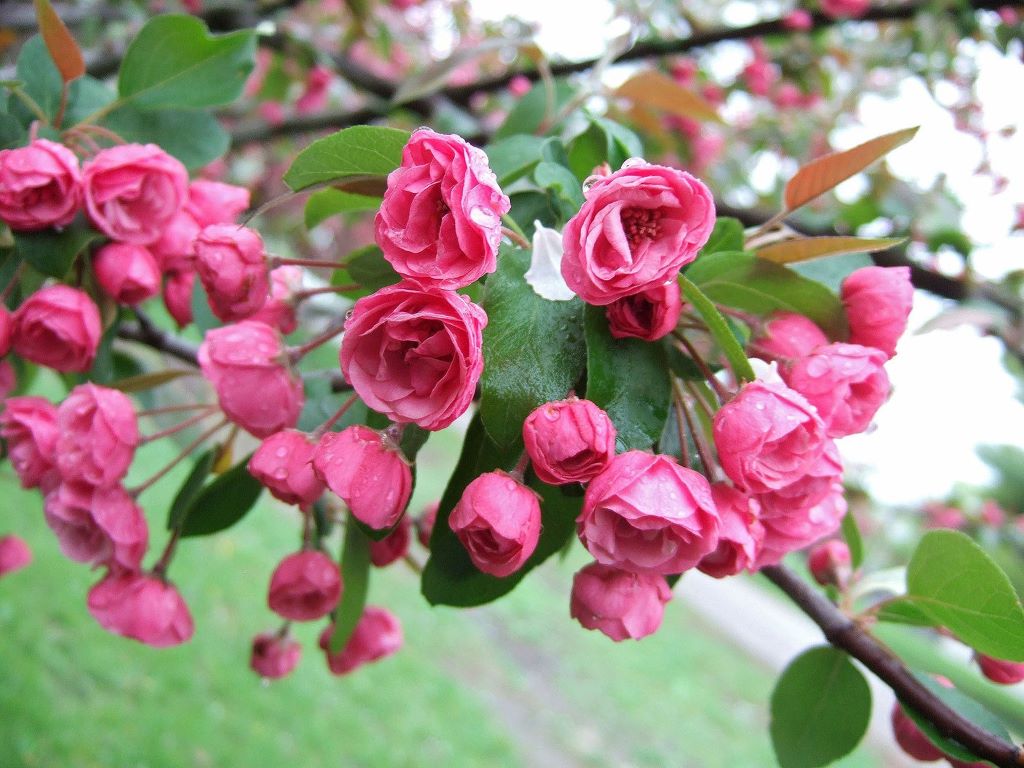
Exploring Color Shades of Pink Lady Flowers
The allure of Pink Lady flowers lies in their diverse color palette. While pink is the defining feature, the shades vary widely, offering options for every aesthetic preference. Below are the primary color shades you’ll encounter.
Pale Blush Pink
This soft, almost pastel shade is perfect for subtle, elegant displays. Varieties like Apple Blossom often feature this delicate hue, which pairs beautifully with white or lavender flowers in arrangements. Pale blush pink is ideal for creating a calming, serene atmosphere in gardens or indoor spaces.
Rose Pink
Rose pink shades are deeper and richer, offering a romantic, classic look. The Amaryllis ‘Pink Lady’ often showcases this hue, with petals that transition from soft pink at the edges to a deeper rose at the center. This shade adds warmth and sophistication to any setting.
Coral Pink
For a bold, vibrant option, coral pink varieties like Flamingo stand out. This shade leans toward orange undertones, giving it a lively, tropical feel. Coral pink Pink Lady flowers are perfect for adding energy to outdoor spaces or brightening up a room with a pop of color.
Bubblegum Pink
Bright and playful, bubblegum pink is a favorite for modern, fun displays. The Pink Surprise variety embodies this vivid shade, with solid, uniform color that makes a statement. This shade works well in contemporary garden designs or as a centerpiece in floral arrangements.
Growing and Caring for Pink Lady Flowers
Growing Pink Lady flowers is rewarding, thanks to their adaptability and relatively simple care requirements. These flowers thrive in well-drained soil with a pH between 6.0 and 6.8. They prefer bright, indirect sunlight but can tolerate partial shade. Watering should be consistent but not excessive, as overwatering can lead to bulb rot.
Fertilizing every two weeks during the growing season with a balanced, water-soluble fertilizer encourages healthy blooms. After flowering, deadheading spent blooms promotes energy storage in the bulb for the next season. For more detailed care tips, refer to authoritative sources like The Royal Horticultural Society, which provides expert advice on growing amaryllis and similar plants.
Design Ideas with Pink Lady Flowers
Pink Lady flowers are versatile for both garden and home decor. Here are a few ideas to incorporate them:
- Garden Borders: Plant Flamingo or Pink Lady varieties along garden edges for a vibrant, colorful border.
- Indoor Displays: Use Apple Blossom in decorative pots to add elegance to living rooms or patios.
- Floral Arrangements: Combine rose pink and pale blush varieties for stunning bouquets, perfect for weddings or events.
- Mixed Planters: Pair Pink Lady flowers with greenery like ferns or ivy for a balanced, lush look.
Their versatility makes them a favorite among designers. For inspiration, sites like Better Homes & Gardens offer creative ideas for incorporating flowers into home and garden designs.
Common Challenges and Solutions
While Pink Lady flowers are relatively easy to grow, they can face a few challenges. Overwatering is a common issue, leading to bulb rot. To prevent this, ensure proper drainage and water only when the soil feels dry. Pests like aphids or spider mites may also appear, but they can be managed with insecticidal soap or neem oil.
Another challenge is insufficient light, which can cause weak stems or fewer blooms. Placing plants in bright, indirect light solves this issue. Regularly inspecting plants and addressing problems early ensures healthy, vibrant flowers.
Conclusion
Pink Lady flowers captivate with their stunning varieties and diverse color shades, from pale blush to vibrant bubblegum pink. Whether you choose the classic Amaryllis ‘Pink Lady’ or the bold Flamingo, these blooms add beauty to any space. With proper care, they thrive indoors and outdoors, offering long-lasting elegance. By understanding their varieties, color shades, and care needs, you can create stunning displays that elevate your garden or home. Explore these flowers to bring a touch of charm and color to your surroundings.
Frequently Asked Questions
What is a Pink Lady flower?
The Pink Lady flower typically refers to varieties of Amaryllis or Hippeastrum, known for their pink, trumpet-shaped blooms.
How do I care for Pink Lady flowers?
Provide well-drained soil, bright indirect light, and moderate watering. Fertilize biweekly during the growing season.
What are the color shades of Pink Lady flowers?
Shades range from pale blush and rose pink to vibrant coral and bubblegum pink, depending on the variety.
Can Pink Lady flowers grow indoors?
Yes, varieties like Apple Blossom thrive in pots with proper light and care, making them ideal for indoor settings.
Where can I learn more about growing Pink Lady flowers?
Visit trusted resources like Healthy House Plans or The Royal Horticultural Society for detailed care guides.
Read More:
Transplanting Asparagus: When, Why, and How to Make the Move
