
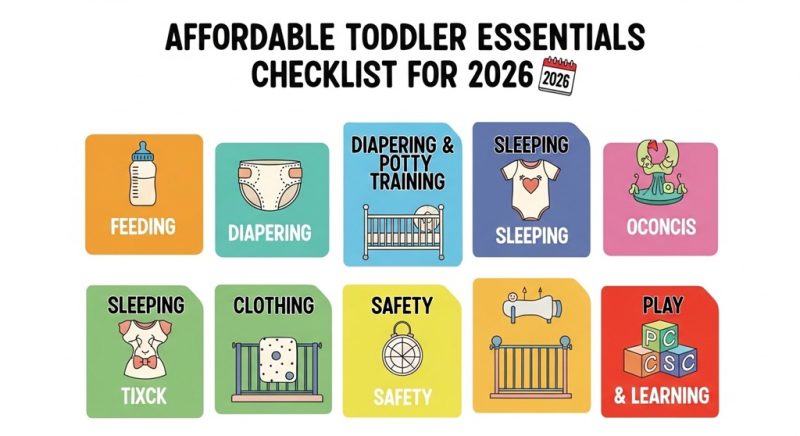
Affordable toddler essentials in 2026 are the practical, safety-focused items that support feeding, sleep, hygiene, and mobility—without overspending on trend-driven products.
Walk into any baby store or scroll online, and you’ll feel it immediately. Hundreds of products. Smart cribs. AI monitors. Designer feeding sets. The marketing says your toddler needs all of it.
But here’s the problem.
Parents are spending more than ever. According to recent consumer spending data, families in the U.S. spend over $15,000 annually per child in early years. Yet pediatric experts consistently confirm that toddlers thrive with routine, nutrition, safety, and responsive caregiving—not expensive gadgets.
This guide breaks down what you actually need in 2026. No hype. No unnecessary upgrades. Just smart, practical choices built around budget parenting tips and essential must-have baby gear.
If you want to save money, reduce clutter, and still give your toddler everything they need—this is your roadmap.
Why Are Parents Overspending on Toddler Gear in 2026?
Parents overspend because of marketing pressure, fear-based messaging, and social media comparison.
Let’s break it down using the PAS framework.
Problem
Parents feel unprepared. Every product promises better sleep, smarter learning, or safer feeding.
Agitation
Social media amplifies this pressure. Influencers showcase fully stocked nurseries. Brands promote “developmental must-haves.” You start questioning whether your child is missing out.
Meanwhile, prices have increased due to inflation and supply chain costs. Baby gear categories like smart monitors and high-end strollers have risen 10–25% in price since 2023.
Solution
Shift from emotional buying to functional buying. Ask one question: Does this item directly improve safety, nutrition, hygiene, sleep, or mobility?
If the answer is no, it’s optional
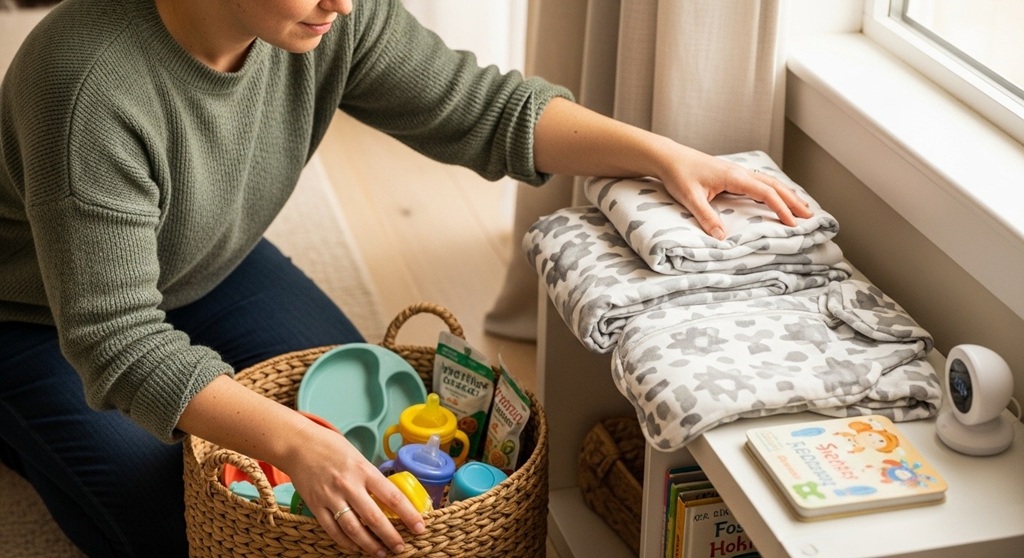
What Feeding Essentials Do Toddlers Actually Need?
Toddlers need a spill-proof cup, suction bowls, toddler utensils, and a safe high chair or booster.
1. Spill-Proof Cup
A quality cup prevents mess, supports oral development, and encourages independence.
Look for:
- BPA-free materials
- Leak-proof lids
- Easy-to-clean design
- Age-appropriate spout or straw
If you’re comparing cost-effective options, here’s a helpful breakdown of
must-have baby gear focused specifically on budget-friendly sippy cups.
Case data from feeding product reviews shows parents save an average of $60–$120 annually by choosing durable mid-range cups instead of constantly replacing cheaper ones.
2. Suction Plates and Bowls
Reduces spills. Encourages self-feeding. Saves food waste.
3. Toddler Utensils
Short handles. Rounded edges. Easy grip.
4. High Chair or Booster Seat
If your toddler is over 18 months and steady, a booster seat can replace a full high chair and save space.
Skip: Wipe warmers, food grinders, designer feeding sets.
What Sleep Essentials Are Necessary for Toddlers?
A safe sleep surface, fitted sheets, sleepwear, and blackout curtains are sufficient for healthy toddler sleep.
Core Sleep Setup
- Crib or toddler bed that meets safety standards
- Firm mattress
- 2–3 fitted sheets
- Lightweight blanket (if age-appropriate)
According to pediatric sleep research, consistent bedtime routines impact sleep quality more than expensive sleep gadgets.
Are Smart Sleep Devices Necessary?
No. Most toddlers do not require white noise machines, smart bassinets, or movement monitors unless medically advised.
Budget parenting tip: Invest in blackout curtains instead. They cost less and improve sleep consistency.
What Clothing Items Are True Must-Have Baby Gear?
7–10 everyday outfits, 2–3 pajamas, weather-appropriate outerwear, and comfortable shoes.
Simple Clothing Checklist
- 5–7 play outfits
- 2–3 backup outfits
- 2–3 pajamas
- Seasonal jacket
- 2 pairs of shoes
Toddlers outgrow clothing every 3–6 months. Buying designer brands offers no functional advantage.
Cost comparison studies show parents save up to 40% annually by purchasing durable basics instead of trend-based collections.
What Hygiene and Health Essentials Are Required?
Basic bath supplies, grooming tools, a thermometer, and a small first-aid kit are enough.
Bath Essentials
- Mild toddler soap
- Soft washcloth
- Hooded towel
Health Basics
- Digital thermometer
- Nasal aspirator
- Infant-safe pain reliever (as advised by pediatrician)
- Small first aid kit
Skip large “complete baby medical systems.” Most items go unused.
Do Toddlers Need Expensive Toys for Development?
No. Toddlers benefit more from open-ended toys than electronic learning gadgets.
Best Budget Toy Categories
- Building blocks
- Shape sorters
- Board books
- Push toys
- Stacking cups
Research in early childhood development shows imaginative play improves problem-solving and language skills more than passive electronic toys.
Budget parenting tip: Rotate toys instead of buying new ones monthly.
What Travel Gear Is Actually Necessary?
A safe car seat and lightweight stroller are essential. Most other travel accessories are optional.
Car Seat
Non-negotiable. Ensure it meets updated 2026 safety standards.
Stroller
Choose based on lifestyle. Urban parents may prefer compact folding models. Suburban families may need durable wheels.
Skip stroller organizers, cup holder add-ons, and luxury travel systems unless frequently used.
How Can Parents Save Money on Toddler Essentials?
Create a priority-based buying list and delay non-essential purchases.
Step 1: Categorize Needs
| Category | Essential | Optional |
|---|---|---|
| Feeding | Sippy cup, bowls | Designer sets |
| Sleep | Bed, sheets | Smart monitors |
| Travel | Car seat | Luxury stroller |
Step 2: Follow the 48-Hour Rule
Wait 48 hours before buying non-urgent items.
Step 3: Buy Second-Hand (When Safe)
Clothes, books, and toys are often safe used. Avoid second-hand car seats.
Step 4: Focus on Longevity
Convertible gear saves money long term.
How Much Should You Budget for Toddler Essentials in 2026?
A practical toddler essentials setup can range from $800 to $2,000 depending on brand choices and existing items.
Breakdown estimate:
- Feeding gear: $100–$250
- Clothing (seasonal): $300–$600
- Sleep setup: $200–$500
- Car seat: $150–$400
- Toys & books: $100–$300
The key variable is brand selection—not necessity.
Conclusion: What Should You Focus on in 2026?
You don’t need everything.
You need function. Safety. Simplicity.
Marketing creates urgency. Your toddler needs consistency.
Focus on core categories. Use smart budget parenting tips. Choose durable must-have baby gear. Avoid trend pressure.
When you buy intentionally, you reduce clutter, lower stress, and free up money for what truly matters—quality time.
If you’re building your feeding setup, start with practical comparisons and cost breakdowns. Make informed decisions before spending.
Save this checklist. Share it with another parent. And build your 2026 toddler essentials list with clarity—not pressure.
Frequently Asked Questions (FAQs)
1. What are the absolute must-have toddler essentials?
A safe car seat, sleep setup, spill-proof cup, basic clothing, and hygiene items are essential.
2. Are smart baby monitors necessary?
No. They are optional unless recommended for medical reasons.
3. How can I reduce toddler expenses?
Buy multi-use products, shop second-hand (excluding safety gear), and avoid trend-driven purchases.
4. How often do toddlers outgrow clothing?
Typically every 3–6 months, depending on growth rate.
5. What toys are best for development?
Open-ended toys like blocks and books support cognitive growth.
6. Should I buy luxury strollers?
Only if your lifestyle demands advanced features. Basic models are sufficient for most families.
7. Is it safe to buy second-hand toddler gear?
Yes for clothing and toys. No for car seats or recalled safety items.
Related Topic: Complete Range Hood Buying Guide: How to Choose the Right Size
Read Next: How to Choose an Energy-Efficient Coffee Maker
