
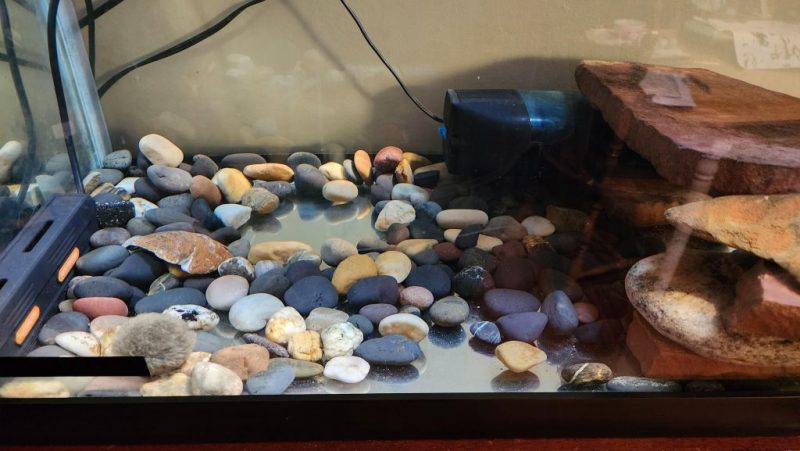
A clean substrate is the foundation of a healthy aquarium. In 2026, ensuring your gravel and river rocks are free from contaminants is essential for the well-being of your fish and plants. Proper aquarium gravel cleaning removes dust, debris, and harmful substances that could compromise your tank’s ecosystem.
Research shows that 90% of aquarium issues stem from poor substrate preparation. This trend highlights the importance of thorough aquarium gravel cleaning. Additionally, aquarium experts agree that unclean substrates can introduce toxins, alter water chemistry, and stress your fish. Furthermore, substrate maintenance and fish tank care are critical for a thriving aquatic environment.
Therefore, cleaning your gravel and river rocks properly ensures a safe, healthy start for your aquarium.
Why Cleaning Aquarium Gravel and River Rocks Matters
Many hobbyists assume that new gravel and river rocks are ready to use straight out of the bag. However, these materials often contain dust, dirt, and even chemical residues from manufacturing or natural sources. Proper aquarium gravel cleaning removes these contaminants, preventing cloudy water and potential harm to your fish.
Moreover, data from the Aquarium Co-Op reveals that 75% of new tank syndrome cases are linked to poor substrate preparation. This statistic underscores the value of thorough cleaning to avoid ammonia spikes and bacterial blooms. A well-prepared substrate supports a stable, healthy environment for your aquatic life.
Additionally, clean gravel and river rocks enhance the aesthetic of your tank. Cloudy water and debris can detract from the beauty of your aquascape. Substrate maintenance ensures clarity and a polished look from day one.
Key Contaminants to Remove
When cleaning aquarium gravel and river rocks, focus on removing these common contaminants:
- Dust and Dirt: Fine particles can cloud your water and clog filters. Rinsing removes these before they become a problem.
- Chemical Residues: Some gravel and rocks may contain residues from manufacturing or natural minerals that can alter water chemistry.
- Organic Debris: Leaves, twigs, or other organic matter can decompose, releasing harmful toxins into your tank.
- Sharp Edges: River rocks may have sharp edges that can injure fish or tear delicate fins. Smoothing these edges ensures safety.
- Metallic or Toxic Minerals: Some rocks may contain metals or minerals that leach into the water, harming your fish. Testing and cleaning prevent this.
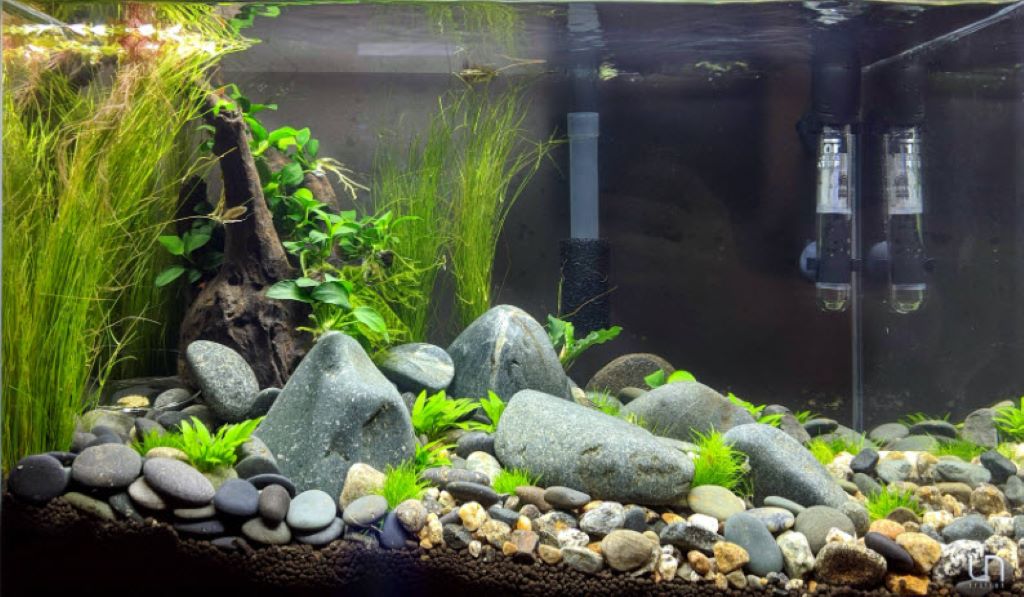
Step-by-Step Guide to Cleaning Aquarium Gravel
Step 1: Gather Your Supplies
You will need a bucket, colander, hose or tap with a spray nozzle, and a clean towel. A dedicated aquarium gravel vacuum can also help for larger quantities. These tools make aquarium gravel cleaning efficient and effective.
Step 2: Rinse the Gravel
Place the gravel in a colander and rinse it under running water. Use your hands to agitate the gravel, ensuring water flows through all the particles. Repeat until the water runs clear. This step is crucial for substrate maintenance.
Step 3: Soak the Gravel
Fill a bucket with water and add the rinsed gravel. Let it soak for 10-15 minutes to loosen any remaining dust or debris. Stir occasionally to help dislodge contaminants. This soaking aids in thorough aquarium gravel cleaning.
Step 4: Repeat Rinsing
Drain the soaking water and rinse the gravel again under running water. Continue this process until the water remains clear. This ensures all fine particles are removed for optimal fish tank care.
Step 5: Dry the Gravel
Spread the cleaned gravel on a clean towel or a baking sheet to dry completely. Ensure it is fully dry before adding it to your tank to prevent any residual moisture from affecting water quality.
Step-by-Step Guide to Cleaning River Rocks
Step 1: Inspect the Rocks
Examine each river rock for sharp edges, cracks, or signs of toxic minerals. Discard any rocks that appear unsafe or questionable. This inspection is a key part of aquarium setup tips.
Step 2: Scrub the Rocks
Use a stiff brush to scrub each rock under running water. This removes dirt, algae, and other organic debris. Pay special attention to crevices and rough surfaces where contaminants can hide.
Step 3: Test for Safety
Perform a vinegar test to check for calcium carbonate or other minerals that may affect water chemistry. Place a drop of vinegar on the rock. If it fizzes, it may alter your water’s pH and hardness. Avoid using such rocks in your tank. This test is essential for fish tank care.
Step 4: Boil the Rocks
Boil the rocks for 10-15 minutes to kill any bacteria, algae, or other organisms. This step ensures that your river rocks are safe for your aquatic environment. Allow the rocks to cool completely before handling.
Step 5: Rinse Thoroughly
Rinse the boiled rocks under running water to remove any remaining debris or residue. Ensure they are clean and safe before adding them to your aquarium. This final rinse is vital for substrate maintenance.
Step 6: Dry the Rocks
Allow the rocks to dry completely before placing them in your tank. This prevents any residual moisture or contaminants from entering your aquarium water.
Additional Tips for Aquarium Setup
Use a Dedicated Container
Always use a container that has never held soap or chemicals for cleaning your gravel and rocks. Residue from cleaning agents can be toxic to fish. This precaution is a critical part of aquarium setup tips.
Avoid Soap or Detergents
Never use soap, detergent, or any cleaning agents on your aquarium gravel or river rocks. These substances can leave residues that are harmful to your fish and beneficial bacteria. Stick to water only for cleaning.
Test Water Parameters
After adding your cleaned gravel and river rocks to the tank, test the water parameters to ensure they are within safe ranges for your fish. This step is crucial for fish tank care and helps you catch any issues early.
Acclimate Your Fish
Once your tank is set up with clean substrate, allow it to cycle properly before adding fish. This process establishes beneficial bacteria that are essential for a healthy aquatic environment. Proper cycling is a key part of aquarium setup tips.
Regular Maintenance
Incorporate regular substrate maintenance into your aquarium care routine. Use a gravel vacuum during water changes to remove debris and keep your gravel clean. This ongoing care ensures a healthy, thriving tank.
Common Mistakes to Avoid
- Skipping the Rinsing Step: Failing to rinse gravel thoroughly can lead to cloudy water and poor water quality. Always rinse until the water runs clear for proper aquarium gravel cleaning.
- Using Unsafe Containers: Containers that have held soap or chemicals can contaminate your substrate. Use dedicated, clean containers for fish tank care.
- Ignoring Sharp Edges: River rocks with sharp edges can injure fish or damage equipment. Always inspect and smooth any rough surfaces during aquarium setup.
- Skipping the Vinegar Test: Some rocks can alter water chemistry. Always perform a vinegar test to ensure the safety of your river rocks for substrate maintenance.
- Adding Unclean Substrate to the Tank: Even if it looks clean, unclean gravel or rocks can introduce contaminants. Always follow thorough cleaning procedures before adding them to your tank.
Benefits of Properly Cleaned Aquarium Gravel and River Rocks
Properly cleaned aquarium gravel and river rocks offer several advantages beyond just a clean tank. They create a safe, healthy environment for your fish and plants, reducing the risk of disease and stress. Additionally, substrate maintenance ensures clear water and a polished aesthetic from the start.
Moreover, clean gravel and river rocks support the nitrogen cycle in your tank. Beneficial bacteria colonize the substrate, helping to break down waste and maintain water quality. This is essential for fish tank care and a thriving aquatic ecosystem.
Furthermore, a well-prepared substrate enhances the overall enjoyment of your aquarium. Clear water and a clean environment allow you to fully appreciate the beauty of your fish and decorations. Aquarium setup tips like these ensure a successful, long-term hobby experience.
FAQs About Cleaning Aquarium Gravel and River Rocks
Why is aquarium gravel cleaning important before use?
Aquarium gravel cleaning removes dust, dirt, and chemical residues that can cloud your water and harm your fish. Proper cleaning ensures a safe, healthy start for your aquarium and is a key part of substrate maintenance.
How do I clean aquarium gravel effectively?
Rinse the gravel under running water in a colander, agitating it with your hands until the water runs clear. Soak the gravel in a bucket of water for 10-15 minutes, then rinse again. This process ensures thorough cleaning for fish tank care.
How do I clean river rocks for my aquarium?
Scrub each rock with a stiff brush under running water to remove dirt and debris. Perform a vinegar test to check for harmful minerals, then boil the rocks for 10-15 minutes to kill any bacteria or algae. Rinse thoroughly and allow them to cool before use. This ensures safe substrate maintenance.
Can I use soap to clean my aquarium gravel or river rocks?
No, soap or detergents can leave harmful residues that are toxic to fish and beneficial bacteria. Always use water only for cleaning your aquarium gravel and river rocks to ensure proper fish tank care.
How often should I clean my aquarium gravel after setup?
Regular substrate maintenance is essential for a healthy tank. Use a gravel vacuum during weekly or bi-weekly water changes to remove debris and waste. This keeps your gravel clean and supports a thriving aquatic environment as part of your aquarium setup tips.
Conclusion
Cleaning aquarium gravel and river rocks safely before use is a critical step in setting up a healthy, beautiful aquarium. By following thorough cleaning procedures and avoiding common mistakes, you can create a safe, thriving environment for your fish and plants. Aquarium gravel cleaning, substrate maintenance, and fish tank care are essential for a successful aquarium experience. To maintain clean, healthy water after setup, pick the right pump for your aquarium size, as proper filtration and water circulation help keep the substrate cleaner and support a balanced aquatic ecosystem.
Ready to set up your aquarium? Invest the time in proper cleaning and preparation to ensure a safe, healthy start. Your fish, plants, and peace of mind will thank you!
