
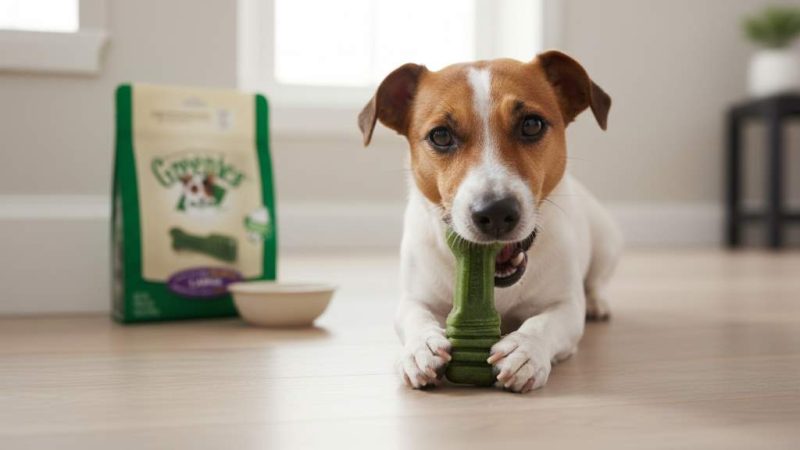
Imagine your furry friend flashing a bright smile during playtime. Yet, many dogs suffer from dental problems that steal their joy. Dog oral health treats offer simple ways to keep teeth strong and breath fresh. These treats turn routine care into fun moments. Plus, they tackle plaque and tartar buildup effectively.
In fact, according to the American Veterinary Medical Association, over 80% of dogs show signs of periodontal disease by age three. Another study from the Journal of Veterinary Dentistry reveals that regular dental care reduces risks of heart and kidney issues linked to poor oral health. So, incorporating canine oral care early makes a big difference. This article explores easy daily solutions through treats and tips.
Why Prioritize Your Dog’s Oral Health?
Dogs rely on their mouths for eating, playing, and exploring. However, neglect leads to painful conditions. Bacteria thrive in unclean mouths, causing inflammation. Over time, this affects overall wellness.
First, consider the basics. Plaque forms from food particles and saliva. It hardens into tartar within days. Consequently, gums swell and bleed. Infections spread to bones and organs. Therefore, proactive steps prevent these issues.
Moreover, healthy teeth support better nutrition. Dogs chew properly and absorb nutrients well. Additionally, fresh breath improves bonding time. Owners notice happier pets with fewer vet visits. Thus, daily habits build long-term benefits.
Common Dental Problems in Dogs and How to Spot Them
Many owners overlook early signs of dental trouble. Bad breath often signals the start. Halitosis comes from bacterial growth. Next, check for yellow or brown teeth. These indicate tartar accumulation.
Furthermore, swollen gums appear red and tender. Dogs may paw at their mouths or drool excessively. Eating becomes difficult, leading to weight loss. In severe cases, loose teeth or abscesses develop. Veterinarians diagnose through exams.
Research from Cornell University College of Veterinary Medicine shows small breeds face higher risks due to crowded teeth. Larger dogs deal with fractures from chewing hard objects. Early detection allows timely intervention. Regular checks at home help identify problems quickly.
The Science Behind Dog Oral Health Treats
Treats designed for dental care work mechanically and chemically. Chewing action scrapes away plaque. Ingredients like enzymes break down bacteria. As a result, treats reduce tartar formation.
Studies support this approach. A 2023 paper in the Veterinary Record tested treats on groups of dogs. Those receiving daily treats showed 50% less plaque after four weeks. Enzymes target biofilms effectively.
Additionally, natural abrasives in treats polish teeth gently. Fibers from vegetables aid in cleaning. Antioxidants fight inflammation. Therefore, science backs these products as reliable aids.
Benefits of Using Oral Health Treats Daily
Incorporating treats into routines yields multiple advantages. First, they make care enjoyable. Dogs look forward to treat time. This builds positive associations with oral hygiene.
Moreover, consistent use prevents costly procedures. Cleanings under anesthesia run risks. Treats minimize the need for such interventions. Owners save time and stress.
Furthermore, treats support gum health. They massage tissues and improve circulation. Reduced inflammation leads to stronger gums. Overall, pets enjoy better quality of life.
A case study from Banfield Pet Hospital followed 500 dogs over a year. Those on daily dental treats had fewer dental extractions. The data highlights practical value in prevention.
Types of Dog Oral Health Treats Available
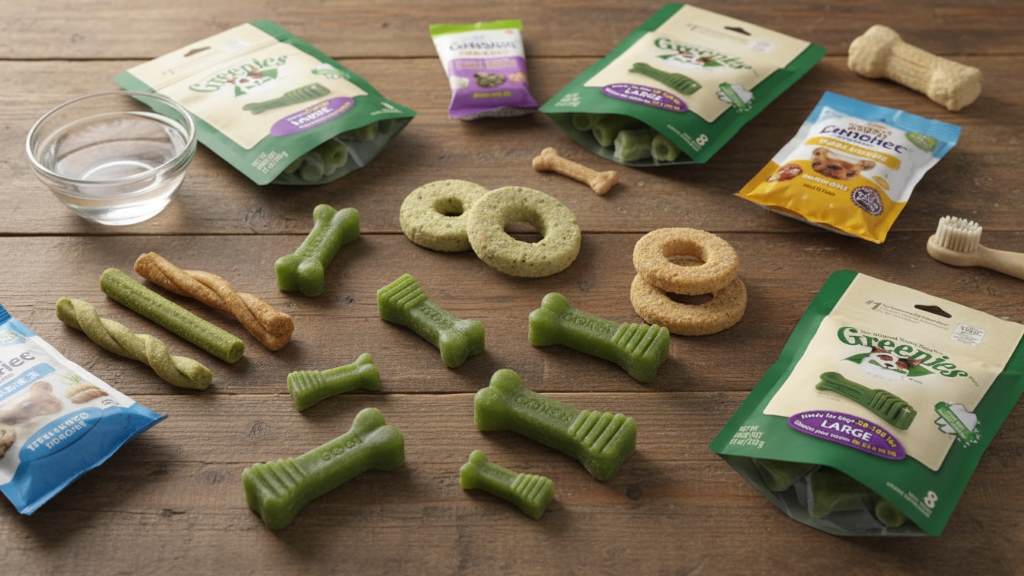
Variety ensures options for every dog. Dental chews come in sticks or bones. These promote prolonged chewing. Ingredients often include mint for fresh breath.
Next, soft treats suit puppies or seniors. They dissolve easily and clean gently. Some contain probiotics for gut and mouth balance.
Additionally, water additives mix into drinks. While not treats, they complement chewing options. Enzymes work passively throughout the day.
Rawhide alternatives use vegetable bases. These avoid digestive issues. Always choose vet-approved formulas for safety.
How to Choose the Best Treats for Your Dog
Selection starts with your dog’s size and age. Small breeds need smaller pieces to prevent choking. Puppies require softer textures.
Next, read labels carefully. Look for natural ingredients without artificial colors. Avoid high-calorie options for overweight pets.
Furthermore, check for veterinary endorsements. Seals from organizations like the Veterinary Oral Health Council indicate efficacy.
Consider allergies too. Grain-free varieties suit sensitive dogs. Trial small packs to test acceptance.
Recent guidelines from the World Small Animal Veterinary Association emphasize ingredient transparency. This ensures treats meet nutritional standards.
Integrating Treats into a Daily Routine
Start slowly to build habits. Offer one treat after meals. This timing maximizes cleaning effects.
Moreover, combine with brushing if possible. Use dog-safe toothpaste weekly. Treats fill gaps on busy days.
Additionally, monitor chewing sessions. Supervise to ensure safe consumption. Rotate types to keep interest high.
Consistency matters most. Set reminders for daily doses. Over time, routines become second nature.
Dog Gum Health Treats: Targeted Support for Gums
Gums play a key role in oral stability. Dog gum health treats focus on this area. They contain anti-inflammatory agents like aloe vera.
Chewing stimulates blood flow. This heals minor irritations. Antioxidants from berries reduce swelling.
A 2024 study in Frontiers in Veterinary Science examined gum-specific treats. Dogs showed improved gum scores after regular use. These treats prevent recession and bleeding.
Pair them with overall dental plans. They enhance protection against periodontitis.
Dental Care Tips for Dogs Beyond Treats
Treats form the foundation, but more steps boost results. Brush teeth two to three times weekly. Use finger brushes for ease.
Additionally, provide chew toys. These naturally clean surfaces. Rope toys floss between teeth.
Feed dry kibble occasionally. Crunchy textures scrape plaque. Avoid sticky foods that cling.
Schedule annual vet checkups. Professionals spot hidden issues. Cleanings remove stubborn tartar.
Hydration helps too. Fresh water rinses mouths. Add dental rinses for extra defense.
Natural Ingredients That Boost Oral Health
Many treats feature herbs and plants. Mint and parsley freshen breath naturally. Chlorophyll neutralizes odors.
Furthermore, coconut oil offers antibacterial properties. It coats teeth to repel bacteria.
Enzymes from papaya digest proteins in plaque. Probiotics balance oral flora.
Research from the National Institutes of Health links these to reduced microbial loads. Natural choices appeal to holistic owners.
Myths About Dog Dental Care Debunked
Some believe dogs clean teeth naturally. Wild ancestors chewed bones, but pets need help. Domestication changed diets.
Another myth: Bad breath is normal. It often indicates disease. Address it promptly.
Human toothpaste harms dogs. Fluoride toxicity causes issues. Use pet-specific products only.
Veterinary experts clarify these points. Education empowers better care.
Case Studies: Real Dogs Benefiting from Treats
Meet Max, a Labrador with chronic tartar. His owner started daily treats. Within months, vet noted cleaner teeth.
Similarly, Bella, a Chihuahua, had gum inflammation. Gum-focused treats reduced redness. She eats comfortably now.
These stories show transformation. Consistent use leads to visible improvements.
A survey by the American Animal Hospital Association gathered similar anecdotes. Over 70% of participants reported better oral scores.
Advanced Strategies for Persistent Dental Issues
For stubborn problems, consult specialists. Veterinary dentists offer deep cleanings.
Additionally, explore prescription treats. These target severe cases.
Combine with diet changes. Low-carb foods reduce plaque sources.
Track progress with photos. Compare before and after.
Ongoing research from universities like UC Davis develops new formulas. Stay informed for updates.
The Role of Diet in Supporting Oral Health
Food choices influence mouth conditions. High-quality proteins build strong enamel.
Moreover, avoid sugars that feed bacteria. Opt for balanced formulas.
Supplements like omega-3s reduce inflammation. They support gum resilience.
A balanced approach integrates treats seamlessly.
Training Your Dog to Enjoy Oral Care
Positive reinforcement works wonders. Reward calm behavior during sessions.
Start young for easier adaptation. Puppies learn quickly.
Use games to make it fun. Hide treats in toys.
Patience builds trust. Soon, dogs cooperate eagerly.
Seasonal Considerations for Dog Dental Care
Weather affects habits. In winter, indoor play increases. Provide more chews.
Summer heat may reduce appetite. Offer lighter treats.
Holidays bring stress. Maintain routines to avoid lapses.
Adapt as needed for consistency.
Conclusion
Dog oral health treats provide easy, effective ways to maintain healthier teeth. They combat plaque, freshen breath, and support gums. By choosing right types and building routines, you prevent common issues. Add brushing and checkups for complete care.
Take action today. Pick a vet-approved treat and start your dog’s daily routine. Your pet will thank you with wags and smiles.
FAQs
What Makes Dog Oral Health Treats Effective?
Chewing action removes debris. Ingredients fight bacteria. Regular use prevents buildup.
How Often Should I Give My Dog Dental Treats?
Daily doses work best. Follow package guidelines based on size. Consult vets for adjustments.
Are There Risks with Oral Health Treats?
Overfeeding causes weight gain. Choking hazards exist for gulpers. Supervise and choose appropriately.
Can Puppies Use Dental Treats?
Yes, select soft varieties. Start after teething. Build habits early.
Do Treats Replace Vet Visits?
No, they supplement care. Annual exams remain essential. Treats aid prevention.
References
