
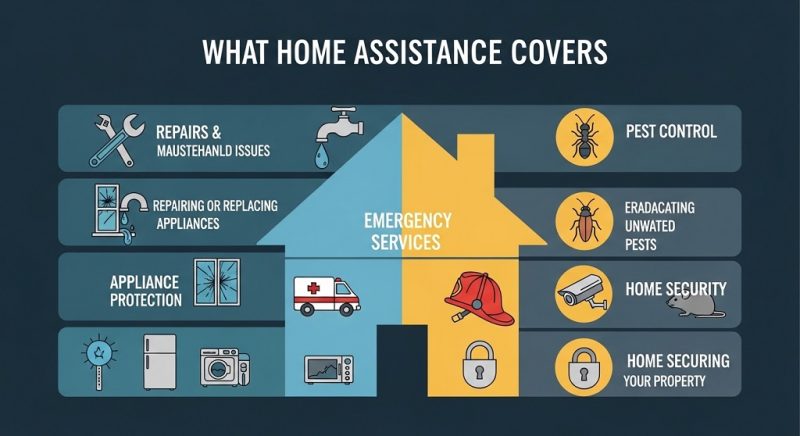
Home assistance typically covers preventive maintenance, emergency repairs, appliance servicing, electrical troubleshooting, plumbing support, safety inspections, seasonal upkeep, and even smart home setup—not just small fixes like tightening screws or patching walls.
A leaking pipe at midnight. A broken air conditioner during peak summer. A faulty circuit that shuts down your workspace. Most homeowners assume these problems require multiple specialists, separate bookings, and unpredictable costs. That assumption leads to delays, higher expenses, and avoidable stress.
Home assistance services solve this by offering structured support plans that go far beyond basic handyman repairs. Instead of reacting to emergencies, homeowners gain access to preventive maintenance, diagnostics, installation help, safety inspections, and appliance servicing under one coordinated system.
In simple terms, home assistance refers to subscription-based or on-demand support services that help maintain, repair, inspect, and optimize home infrastructure—including plumbing, electrical systems, appliances, security devices, and seasonal maintenance tasks.
Understanding what these services include helps homeowners reduce long-term repair costs, extend equipment life, and maintain safer living environments.
What services are included in a typical home assistance plan?
Most home assistance plans include preventive maintenance, emergency repairs, appliance servicing, electrical support, plumbing inspections, safety checks, and seasonal readiness services.
A modern home assistance package functions as a structured maintenance ecosystem rather than a simple repair hotline. Providers design these plans to address recurring household risks before they escalate.
- Routine plumbing inspections
- Electrical system troubleshooting
- Appliance diagnostics and servicing
- Door and lock maintenance
- Water leakage detection
- HVAC filter replacement
- Furniture stabilization and adjustments
- Basic carpentry fixes
- Safety equipment checks
According to housing maintenance studies across urban households, preventive servicing reduces emergency repair costs by up to 30% annually compared to reactive repair-only approaches.
How is home assistance different from a traditional handyman service?
A handyman typically performs isolated repairs, while home assistance provides ongoing maintenance coverage, diagnostics, emergency response, and system-level support.
| Feature | Handyman Service | Home Assistance Plan |
|---|---|---|
| Service scope | Single-task repair | Multi-system coverage |
| Preventive maintenance | No | Yes |
| Emergency availability | Limited | Often included |
| Appliance servicing | Rare | Common |
| Annual inspections | No | Included in many plans |
This difference becomes especially important for homeowners managing aging infrastructure or multiple appliances.
Does home assistance include plumbing services?
Yes, most home assistance plans include leak detection, pipe inspections, drain cleaning support, fixture adjustments, and emergency plumbing coordination.
Minor plumbing issues often evolve into structural damage if ignored. Assistance plans focus on early detection.
- Tap and faucet repair
- Pipe leakage diagnosis
- Drain blockage clearing
- Water pressure checks
- Bathroom fixture adjustments
- Toilet flushing system fixes
Early intervention prevents mold formation, wall seepage, and flooring deterioration.
Are electrical repairs covered under home assistance services?
Yes, electrical inspections, switch repairs, wiring diagnostics, circuit troubleshooting, and safety checks are commonly included.
Electrical maintenance improves both safety and efficiency. Faulty wiring contributes to a significant share of residential fire risks globally.
- Switchboard inspection
- Socket replacement
- Fan and lighting repair
- Load imbalance detection
- MCB troubleshooting
These services reduce hazards and extend appliance lifespan.
Can home assistance plans support appliance maintenance?
Many plans include servicing support for air conditioners, refrigerators, washing machines, ovens, and water heaters.
Appliances operate under constant mechanical stress. Regular maintenance reduces energy consumption and prevents breakdowns.
- AC filter cleaning
- Refrigerator performance checks
- Washing machine vibration correction
- Water heater inspection
- Kitchen chimney servicing
Energy efficiency agencies report that maintained appliances consume up to 15% less electricity.
Does home assistance cover emergency repairs?
Yes, most structured plans include priority support for urgent plumbing failures, electrical faults, and safety-related breakdowns.
Emergency response reduces property damage and prevents cascading system failures.
Examples include:
- Major water leakage
- Power failure in critical circuits
- Door lock malfunction
- Short circuits
- Air conditioning breakdown during extreme weather
Is preventive home maintenance included in assistance services?
Preventive maintenance is a core feature of home assistance and helps identify issues before they become expensive repairs.
Preventive servicing protects structural integrity and mechanical systems.
- Seasonal inspections
- Roof drainage checks
- Window sealing inspection
- Ventilation cleaning
- Moisture detection
Homes receiving annual inspections show fewer emergency service requests over time.
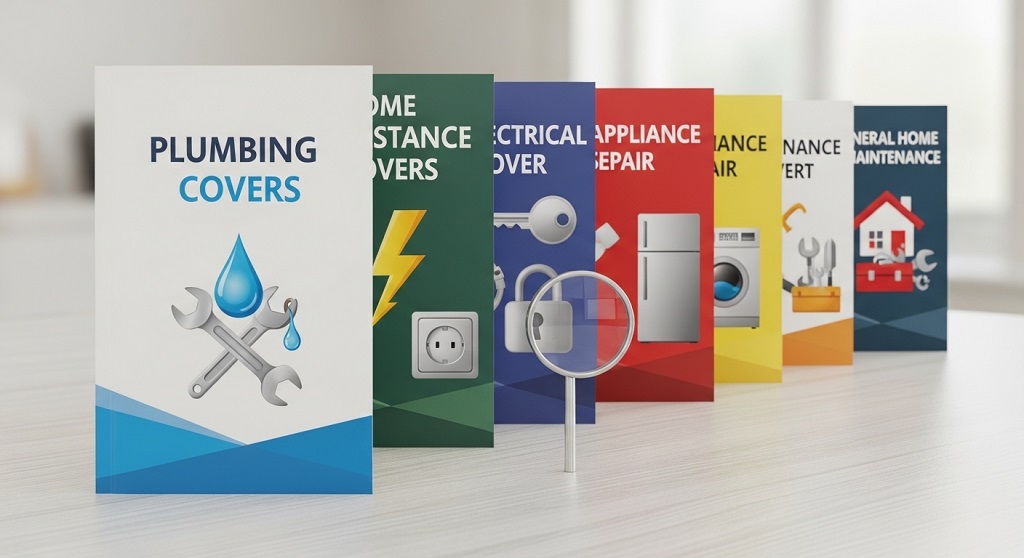
Do home assistance services include safety inspections?
Yes, safety inspections often cover electrical hazards, gas leakage risks, structural vulnerabilities, and fire-prevention equipment checks.
Safety-focused services typically include:
- Smoke detector testing
- Gas line inspection
- Door locking system evaluation
- Emergency lighting checks
- Child-safety fixture adjustments
These checks help households comply with residential safety standards.
Can home assistance help with smart home setup and maintenance?
Many providers now include installation support for smart lighting, security cameras, sensors, and automation devices.
Smart homes require reliable connectivity and configuration expertise.
- Wi-Fi device positioning
- Smart lock installation
- Video doorbell setup
- Automation hub configuration
- Sensor calibration
This integration improves energy monitoring and home security.
Does home assistance include seasonal home readiness services?
Yes, seasonal preparation services help protect homes from weather-related damage and performance issues.
Examples include:
- Air conditioner servicing before summer
- Drain cleaning before monsoon season
- Roof inspection before storms
- Water heater checks before winter
Seasonal preparation reduces repair frequency during extreme conditions.
Are pest control and sanitation services part of home assistance?
Some advanced plans include pest monitoring support and sanitation coordination as optional add-on services.
Coverage may include:
- Termite inspection scheduling
- Rodent risk checks
- Mosquito-control coordination
- Kitchen sanitation evaluation
These services protect both structural materials and health conditions.
What Services do Handyman Provide: Know the Lists
Conclusion
Home assistance services extend far beyond traditional handyman repairs. They provide structured maintenance coverage across plumbing, electrical systems, appliances, safety equipment, and seasonal infrastructure readiness.
Instead of waiting for failures, homeowners gain continuous oversight that improves efficiency, safety, and long-term property value. Preventive servicing reduces unexpected costs, extends equipment lifespan, and simplifies maintenance planning.
Choosing the right assistance plan depends on property size, appliance load, climate exposure, and household usage patterns. Evaluating these factors helps maximize service value.
If you want fewer emergencies, predictable maintenance costs, and better system performance across your home, a comprehensive assistance plan is one of the most practical upgrades you can make.
FAQ: What else should homeowners know about home assistance services?
Is home assistance worth the cost?
Yes, home assistance reduces emergency repair expenses and improves system lifespan through preventive servicing.
Do renters benefit from home assistance plans?
Yes, renters can use assistance plans for appliance servicing, electrical troubleshooting, and safety inspections depending on landlord agreements.
How often should home maintenance inspections happen?
Most homes benefit from inspections every 6–12 months depending on climate conditions and appliance usage.
Are smart home installations included in standard plans?
Some providers include basic smart device setup, while advanced automation support is usually an add-on service.
Can home assistance improve energy efficiency?
Yes, routine servicing improves appliance efficiency, reduces electricity usage, and prevents performance losses.
Do plans cover structural repairs?
No, most plans exclude major structural repairs but include inspections that identify early warning signs.
Are emergency visits unlimited?
Coverage limits depend on provider policies, but many plans include a fixed number of emergency service visits annually.
Read More Also: How to Find a Soft Brush Vacuum for Hardwood Floors That Prevents Scratches
Discover More: How to Choose a Budget Vacuum Cleaner for Carpeted Stairs in 2026
