
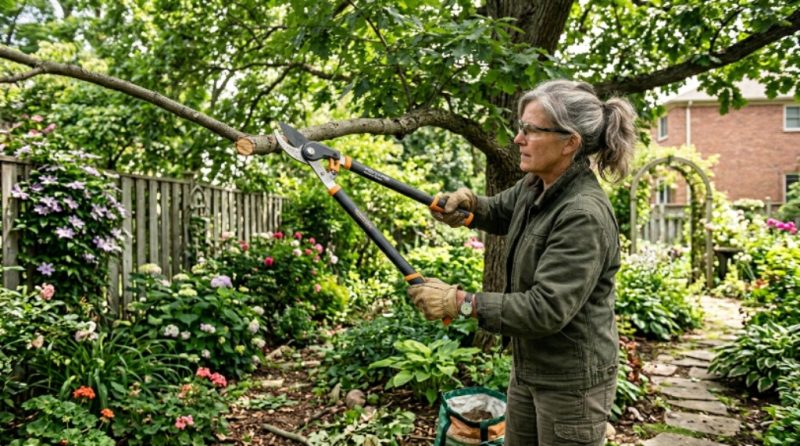
Dealing with overgrown trees and stubborn shrubs is no small task. If you have ever tried cutting a thick branch with the wrong tool, you already know how exhausting and frustrating it can be. The good news is that the right pair of loppers can make the job feel almost effortless. This guide will walk you through everything you need to know before buying loppers for thick branches, so you can make a smart and confident choice.
Why Loppers Are the Right Tool for the Job
Loppers are long-handled cutting tools designed specifically for branches that are too thick for hand pruners. They give you more leverage than a pruning saw in many situations, and they keep your hands safely away from sharp edges. Additionally, they reduce fatigue when you need to cut multiple branches in a single session.
There are several types of loppers on the market. However, not all of them work equally well on thick or tough wood. Understanding the differences between them will help you pick the one that fits your needs best.
Types of Loppers You Should Know About
Bypass Loppers
Bypass loppers work like a pair of scissors. One blade passes the other in a clean, slicing motion. This design is ideal for live branches because it makes a precise, clean cut. A clean cut heals faster on a living plant, which reduces the risk of disease. Therefore, bypass loppers are the top choice for regular garden maintenance.
Anvil Loppers
Anvil loppers have a single blade that closes down onto a flat surface, called the anvil. This design generates more crushing force. It works well on dry, dead wood. However, it can sometimes crush or damage the bark on live stems, which may slow the plant’s recovery.
Ratchet Loppers
Ratchet loppers are a game-changer for anyone who struggles with hand strength or needs to cut very thick wood. They use a step-by-step ratcheting mechanism that multiplies your cutting force with each squeeze of the handles. Instead of forcing the blade through a branch in one motion, the ratchet system lets you cut gradually. This makes ratchet loppers one of the most practical choices for older gardeners, people with arthritis, or anyone working with especially tough branches.
Key Features to Look for When Buying Loppers
Cutting Capacity
Always check the maximum cutting diameter before you buy. Most quality loppers can handle branches between one and two inches thick. Premium models, especially ratchet loppers, can cut through branches up to two and a half inches or more. If you often deal with branches thicker than an inch, choose a model with a higher cutting capacity.
Handle Length and Material
Longer handles give you more reach and more leverage. This is important when you are cutting branches overhead or deep inside a shrub. Most loppers have handles between 24 and 36 inches long. Aluminum handles are lightweight and easy to carry. Fiberglass handles are slightly heavier but absorb vibration better, which reduces arm fatigue. Wood handles are traditional and comfortable but can wear down over time.
Blade Quality
A high-quality blade stays sharp longer and cuts more cleanly. Look for blades made from hardened carbon steel or stainless steel. Some blades also come with a non-stick coating, which reduces friction and makes cleaning much easier. Sharp blades are also safer because they require less force to push through a branch.
Ergonomics and Comfort
Comfort matters a great deal, especially if you spend hours in the garden. Look for loppers with cushioned, non-slip grips. Some models also have shock-absorbing bumpers that reduce the jarring impact when the blade closes. A comfortable pair of loppers protects your wrists and hands from strain over time.
Weight
Lighter loppers are easier to maneuver and cause less fatigue. However, very light models may sacrifice durability. Aim for a balance between weight and build quality. As a general rule, loppers that weigh between one and two pounds are a good fit for most gardeners.
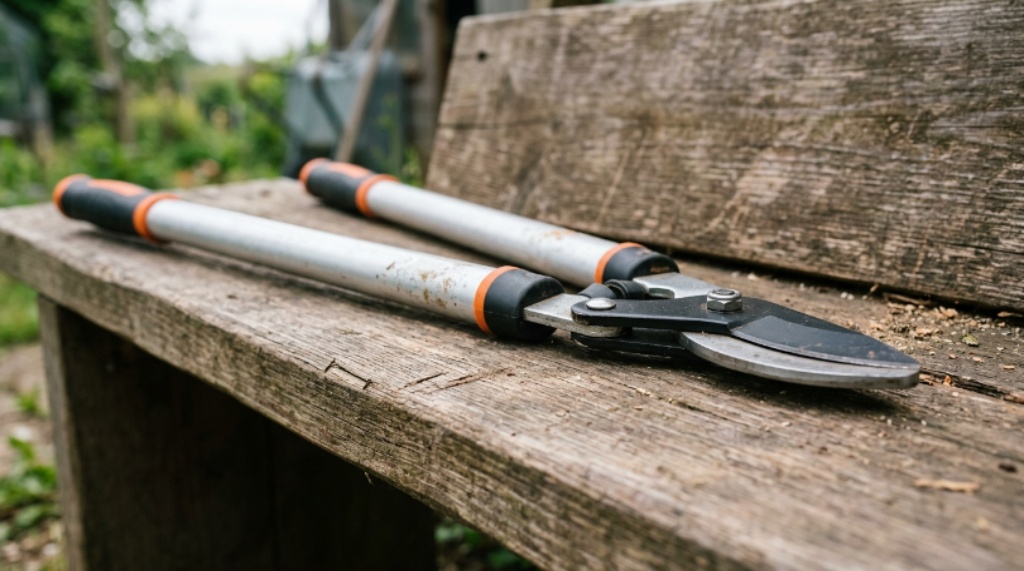
How to Use Loppers Safely and Effectively
Using loppers is straightforward, but a few tips will help you get better results and stay safe.
Position yourself so that you have a clear, steady stance before you cut. Never overreach, especially when working at height. Always cut at a slight angle just above a bud or branch junction so that water drains away and the plant heals cleanly. Additionally, avoid twisting the handles as you cut, as this can damage both the blade and the branch.
Clean and oil your loppers after each use. This keeps the blades sharp and prevents rust. Sharpening the blade with a whetstone once or twice a season also makes a big difference in performance.
Top Uses for Tree Branch Trimmers in Your Garden
Tree branch trimmers, including loppers, are useful for far more than just cutting overgrown branches. Here are some of the most common tasks they handle well:
- Shaping hedges and ornamental shrubs
- Removing dead or diseased wood from fruit trees
- Thinning dense canopies to improve sunlight
- Cutting back brambles, roses, and climbers
- Clearing storm-damaged branches safely from the ground
Each of these tasks becomes much easier and more precise with a quality pair of loppers suited for the job.
Budget vs. Premium: Which Should You Choose?
Entry-level loppers typically cost between fifteen and thirty dollars. They work fine for light, occasional trimming. However, they may struggle with dense or very thick wood and can wear out quickly.
Mid-range models, priced between thirty and sixty dollars, offer better blade quality, more durable handles, and improved ergonomics. These are a solid choice for most home gardeners.
Premium loppers, which can cost sixty dollars and above, usually feature professional-grade blades, advanced mechanisms like ratcheting systems, and superior build quality. They last for many seasons and perform consistently well. If you garden frequently or have a large property, investing in a premium pair is absolutely worth it.
Conclusion
Choosing the best loppers for thick branches does not have to be complicated. The key is to match the tool to your specific needs. Consider the thickness of the branches you typically cut, the strength and comfort you need in a handle, and the type of wood you are working with. For effortless cutting on tough wood, ratchet loppers are an excellent option. For clean cuts on live growth, bypass loppers are hard to beat. Whatever you choose, look for strong blades, comfortable grips, and a cutting capacity that suits the work ahead. A good pair of tree branch trimmers is one of the most useful tools you can own as a gardener, and with the right choice, you will look forward to pruning season rather than dreading it.
Frequently Asked Questions
What is the difference between bypass and anvil loppers?
Bypass loppers have two blades that pass each other like scissors, making a clean cut ideal for live wood. Anvil loppers have one blade that presses onto a flat surface, which works better for dry or dead wood but can damage living stems.
Are ratchet loppers better for thick branches?
Yes. Ratchet loppers use a step-by-step mechanism that multiplies cutting force, making them much easier to use on thick or tough branches. They are especially helpful for people who lack hand strength or have joint pain.
How do I know what cutting capacity I need?
Measure the average thickness of the branches you cut most often. Choose loppers with a maximum cutting capacity at least half an inch above that size to avoid straining the tool or yourself.
How often should I sharpen my loppers?
For regular use, sharpening your loppers once or twice a year is usually enough. If the blades start tearing rather than slicing cleanly through wood, it is time to sharpen them.
Can loppers be used for cutting roots?
Loppers can cut small roots, but they are primarily designed for above-ground branches. For roots thicker than an inch, a root saw or a dedicated root pruner is a safer and more effective choice.
