
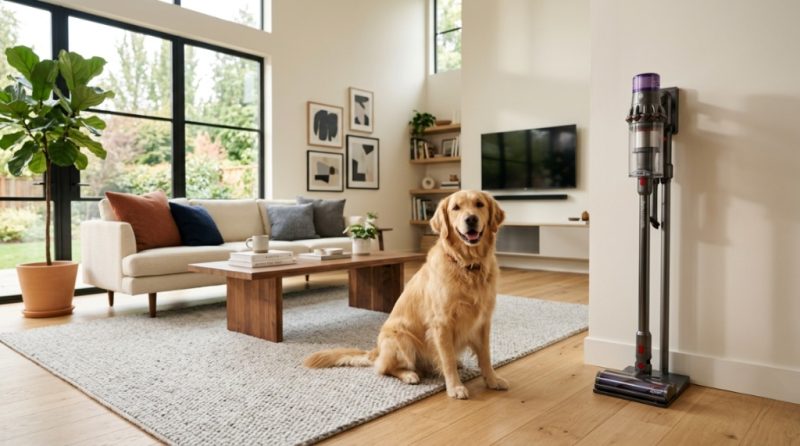
Living in Washington means embracing the rain, the lush greenery, and often, the mud that comes with it. But if you share your home with a furry friend, you also know the struggle of pet hair embedding itself into every carpet fiber, couch cushion, and corner of your home. The damp climate can make dander cling tighter, and the constant shedding can feel like a losing battle. You need a machine that doesn’t just pick up surface hair but actually deep-cleans your home. This guide will help you cut through the noise and find the perfect vacuum for pet hair Washington families can rely on year-round.
What Makes a Vacuum Effective for Pet Hair in Washington’s Climate?
Washington’s unique environment of constant dampness and seasonal mud creates specific challenges. A standard vacuum often fails because moisture causes hair to mat and stick to surfaces. An effective machine must combine strong suction, specialized brush rolls, and sealed filtration to handle these local conditions.
The Problem with Damp Dander and Mud
In the Pacific Northwest, pet dander and hair often mix with rain and mud tracked inside. This creates a sticky paste that clogs standard brushes and reduces suction. You need a vacuum designed to handle debris that is not just dry and fluffy but also slightly damp and compacted.
Why Suction Power Matters More in WA Homes
Strong suction is non-negotiable. Washington homes often feature a mix of wall-to-wall carpet, area rugs, and hardwood. Pet hair embeds deep into carpet fibers, and only a motor with high air watts (typically 200 AW or more) can pull that hair out from the base of the rug.
Sealed Filtration for Allergen Control
The wet climate can encourage mold and dust mites. A vacuum with a high-efficiency particulate air (HEPA) filter is essential for trapping pet dander and microscopic allergens. A sealed system ensures that the air it exhausts is cleaner than the air in your room.
Which Type of Vacuum Handles Pet Hair Best in Washington Homes?
There is no single answer, as your home’s layout dictates the best tool. However, for the typical Washington home with mixed flooring, a combination of a powerful upright and a handy stick vacuum often provides the most complete solution.
Upright Vacuums: The Heavy-Duty Choice
Upright vacuums are the workhorses of pet hair removal. They typically have larger dust cups, more powerful motors, and wider cleaning paths. They excel on deep-pile carpets common in Washington living rooms and bedrooms.
Canister Vacuums: Agility for Stairs and Tight Spaces
Canister models offer superior maneuverability. If you have a lot of stairs, tight corners, or a vehicle to clean, a canister is ideal. The power head can be detached, allowing you to use a specialized turbo brush for upholstery.
Stick Vacuums: Quick Cleanups for Daily Shedding
With the constant rain in WA, mud gets tracked in quickly. A lightweight cordless stick vacuum allows for a rapid daily pass on hard floors and low-pile rugs. Look for models with a high-volt battery and a dedicated pet tool.
Robot Vacuums: The Set-and-Forget Solution
These are excellent for maintaining a baseline level of cleanliness between deep cleans. They are perfect for picking up the daily tumbleweed of pet hair on hard floors, but they often struggle with high-pile carpets and deep-set hair.
How Do You Choose the Right Brush Roll for Pet Hair?
The brush roll is the engine of pet hair pickup. A standard brush roll can quickly become tangled with long hair, causing the vacuum to shut down or lose suction. You need a brush roll designed specifically to resist tangles.
Rubber Fins vs. Bristle Brushes
Rubber brush rolls are the top choice for pet owners. Unlike bristles that trap hair, rubber fins create a static charge that attracts hair and flicks it directly into the suction path. They are much easier to clean and rarely get tangled.
Auto-Clean and Tangle-Free Technology
Several premium brands now include self-cleaning brush rolls. These mechanisms use a comb or a specific pattern to strip hair off the brush as it spins, depositing it directly into the dustbin. This feature saves you from having to cut hair off the brush with scissors.
Brush Roll On/Off Switches
This is a critical feature for Washington homes with a mix of carpets and hardwoods. The ability to stop the brush roll on hard floors prevents scattering debris and protects delicate surfaces like bamboo or engineered hardwood.
What Features Are Essential for a Pet Vacuum in a Rainy Climate?
Beyond the basics, certain features make a vacuum a true asset in the damp, muddy conditions of Washington. These features impact usability and longevity.
Large Dustbin Capacity
Pet hair is bulky. You don’t want to empty your vacuum every time you clean one room. A dustbin of 1.5 liters or larger reduces the frequency of emptying and helps maintain consistent suction.
Cord Length and Reach
Washington homes often have multiple levels. A vacuum with a 35-foot cord or longer allows you to clean a large room without unplugging. This is a simple but critical factor for convenience.
Height Adjustment Settings
Carpet pile height varies dramatically. A vacuum with manual or automatic height adjustment allows the brush roll to contact the carpet properly. On high-pile carpets, a low setting will bog down; on low-pile, a high setting reduces picking.
Motorized Pet Tool
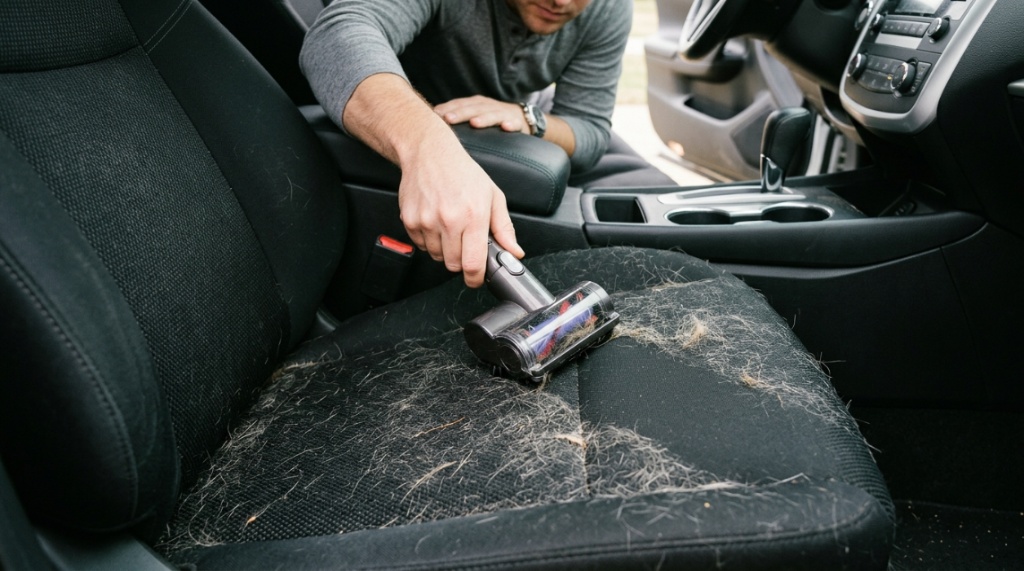
A mini motorized turbo brush is invaluable for cleaning couches, car seats, and stairs. It agitates hair loose from fabric fibers far more effectively than a standard crevice tool.
How Much Should You Spend on a Vacuum for Pet Hair?
You generally get what you pay for regarding suction power, build quality, and filtration. However, you don’t need to break the bank to get a good machine. Understanding the price brackets helps you set realistic expectations.
| Price Range | Typical Features | Best For |
|---|---|---|
| $100 – $200 | Basic suction, bagged or bagless, standard brush roll, manual adjustment | Small apartments or homes with one pet, primarily hard floors |
| $200 – $400 | Strong suction, HEPA filter, tangle-resistant brush roll, multiple tools | Average-sized homes with 1-2 medium shedding pets |
| $400 – $800+ | Premium suction, sealed HEPA system, self-cleaning brush roll, smart features | Large homes, multiple heavy-shedding pets, severe allergies |
The Value of a Mid-Range Investment
For most Washington families with one or two dogs or cats, spending between $250 and $400 is the sweet spot. This range typically includes powerful motors, good filtration, and durable construction that can handle the wear and tear of daily pet hair pickup.
When to Invest in a Premium Model
If you have multiple heavy-shedding pets, severe allergies, or a very large home, a premium model (over $500) is worth the investment. These models last longer, require less maintenance, and offer superior allergen control, If you frequently deal with pet dander embedded in tight spaces like your vehicles or living room furniture, check out our hands-on review of the Best Cordless Vacuum for Couch and Car Interiors to see which lightweight models handle detailing best.
Can a Bagless Vacuum Handle Pet Hair in WA?
Yes, bagless vacuums are very popular and effective for pet hair, but they come with specific maintenance requirements. The main advantage is the cost savings on bags. The main disadvantage is the mess of emptying the dustbin.
Cleaning the Dustbin and Filter
The filter in a bagless vacuum must be washed regularly. Wet pet hair can cause odors if left in the dustbin. You should empty the bin after every use and wash the filter at least once a month to maintain performance.
The Case for Bagged Vacuums
Bagged vacuums are gaining popularity again. The bag acts as a sealed filter, trapping allergens and hair with zero mess when disposed of. They are often a better choice for people with severe allergies because you never touch the dirt.
Dustbin Ease of Use
Look for a dustbin that empties from the bottom with a single button. Avoid models where you have to reach inside to remove clumps of hair. A well-designed emptying mechanism is a key factor in daily satisfaction.
How Do You Maintain a Pet Vacuum in Washington’s Climate?
Regular maintenance is crucial to keep your machine running efficiently, especially when dealing with pet hair and damp conditions. Neglecting maintenance is the number one reason vacuums fail prematurely,If you frequently deal with pet dander embedded in tight spaces like your vehicles or living room furniture, check out our hands-on review of the Best Cordless Vacuum for Couch and Car Interiors to see which lightweight models handle detailing best.
Clearing Brush Roll Tangles
Even with tangle-resistant brushes, long hair can wrap around the ends of the roller. Check the brush roll after every 3-5 uses. Use a pair of scissors to carefully cut any hair that has wrapped around the shaft.
Washing Filters Properly
Wash washable filters with cool water and let them air dry completely for 24-48 hours before reinserting. Running a vacuum with a damp filter can cause mold growth and damage the motor. Keep a spare filter on hand to rotate.
Checking for Blockages
Pet hair, especially when clumped with dust, can create blockages in the hose or wand. If you notice a loss of suction, disconnect the hose and look for a clog. Use a long, flexible brush to dislodge the blockage.
Which Brands Are Best Known for Pet Hair in Washington?
Certain brands have built a reputation for engineering excellence specifically for pet owners. While personal preference matters, these brands consistently perform well in real-world tests.
Dyson: Innovation and Suction
Dyson vacuums are known for their strong cyclonic suction and advanced filtration. Their ball technology improves maneuverability, which is helpful in homes with multiple rooms. Their cordless stick vacuums are excellent for quick pickups.
Shark: User-Friendly and Affordable
Shark offers a wide range of models with features like self-cleaning brush rolls and lift-away canisters. They are generally more affordable than Dyson and are often praised for their ease of use and customer service.
Miele: Premium German Engineering
Miele is the gold standard for longevity and filtration. Their bagged systems are exceptionally clean to empty and provide the best air quality. The investment is high, but a Miele can last 20 years with proper care.
Bissell: Specialized for Pet Owners
Bissell is a brand that focuses heavily on the pet market. Their models often come with specialized features like the “Pet Hair Eraser” tool and are generally very good for the price. They also offer pet-specific cleaning solutions.
How Do You Test a Pet Vacuum Before Buying in WA?
You can’t always take a vacuum home to test, but you can ask smart questions and look for key indicators in the store or online reviews.
Check the Suction Porthole
Look at the port on the bottom of the vacuum where the brush roll connects. A large, open port indicates strong airflow and less chance of clogs. A small, narrow port is a red flag for a machine that will struggle with pet hair.
Read Reviews from Other WA Pet Owners
Search for reviews specifically from people in the Pacific Northwest. They will address issues like mud handling, damp carpet performance, and filter longevity in wet conditions. Look for reviews that mention “Pacific Northwest” or “Seattle.”
Test Maneuverability
In the store, practice moving the vacuum around a display. Does it pivot easily? Is it heavy? A good test is to see if it can easily slide under a low couch. Washington homes often have tight layouts.
Why Is Filtration Critical for Pet Owners in Washington?
The combination of pet dander, pollen, and damp air creates a perfect storm for indoor air quality issues. Filtration is not just a nice-to-have; it is a health necessity for many families.
The Role of HEPA Filters
A true HEPA filter captures 99.97% of particles as small as 0.3 microns. This includes pet dander, dust mites, and mold spores. For a vacuum to be truly effective, it must have a sealed system that forces all air through the filter.
What Is a “Sealed System”?
A sealed system means that all joints, gaskets, and connections are airtight. If a vacuum has a HEPA filter but leaks air from the seams, it is blowing unfiltered air back into your home. Always look for the phrase “sealed HEPA system.”
Reducing Allergy Symptoms
Using a vacuum with a sealed HEPA system can significantly reduce airborne allergens. This can lead to fewer sneezes, less coughing, and a more comfortable home for both you and your pets. This is especially important in the closed-up homes of Washington winters.
Frequently Asked Questions
Can I use a regular vacuum for pet hair?
You can, but it will not be as effective. Regular vacuums lack the specialized brush rolls and strong suction needed to remove deeply embedded pet hair. They also often have poor filtration that recirculates allergens.
How often should I vacuum for pet hair?
For homes with one or two pets, vacuuming high-traffic areas daily is ideal. For the whole house, a deep clean every two to three days is recommended. This prevents hair from embedding and reduces allergens.
Is a cordless vacuum strong enough for pet hair?
Yes, many modern cordless vacuums have suction comparable to corded models. However, battery life is the limiting factor. For a whole-house clean, you’ll need a model with a run time of 40 minutes or more, or one with a swappable battery.
What is the best type of vacuum for long-haired dogs?
An upright vacuum with a tangle-free brush roll and a large dustbin is best. Long hair wraps easily around brushes, so a self-cleaning roll is a significant advantage. A pet tool for upholstery is also essential.
Should I get a rug or a hard floor vacuum for pet hair?
Most pet owners need a combination vacuum that can handle both. Look for a machine with an adjustable brush roll or a brush roll on/off switch. This allows you to safely clean both carpets and hard floors without scattering debris.
How do I get pet hair out of my vacuum brush roll?
Most brush rolls can be removed. Use a seam ripper or a pair of sharp scissors to cut the hair along the shaft. Always disconnect the vacuum from power before attempting any maintenance on the brush roll.
Why does my vacuum smell like wet dog?
This is often caused by damp hair and dander sitting in the dustbin or a dirty filter. Empty the bin after every use, wash the filter regularly, and let the vacuum air out in a dry space. Consider using a bagged model to reduce odor.
Conclusion
Living with pets in Washington is a joy, but the constant battle against mud, dampness, and shed hair is real. Choosing the right vacuum is not just about picking the most expensive model; it is about matching the machine’s specific features to your home’s layout and your pet’s shedding habits. Focus on machines with powerful suction, a sealed HEPA filtration system, and a tangle-resistant brush roll. The best approach is often a two-vacuum strategy: a cordless stick for quick daily cleanups and a powerful upright or canister for deep cleaning. Remember to check the brush roll regularly and wash your filters to keep your machine running strong through many rainy seasons.
