
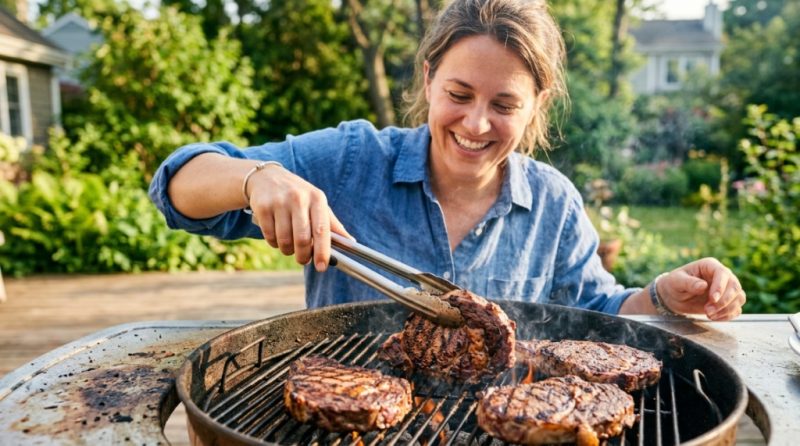
Standing in the grilling aisle, staring at a wall of stainless steel, chrome, and enamel, is enough to make anyone’s head spin. You want to host that backyard cookout, but the sheer number of options—from price tags to fuel types—feels paralyzing. The problem isn’t a lack of grills; it’s a lack of clarity. For a true backyard BBQ grills beginner, the goal isn’t to buy the most expensive model. It’s to buy the right tool for your cooking style, space, and budget. This guide is your blueprint. We will cut through the marketing noise, explain what actually matters, and arm you with the exact criteria to make a confident, professional choice the first time.
What Type of Fuel Should a Beginner Choose?
Your fuel decision is the single most important choice you will make. For most beginners, a gas grill offers the best balance of convenience, temperature control, and speed. You turn a knob, press a button, and you are cooking in ten minutes.
However, the “best” fuel depends entirely on your priorities. Let’s break down the three main options:
Gas Grills (Propane or Natural Gas)
- Best for: Weeknight cooking, convenience, and precise heat control.
- Pros: Instant ignition, easy temperature adjustment, less clean-up.
- Cons: Lacks intense smoky flavor (compared to charcoal), fuel costs money, tanks run out.
Charcoal Grills
- Best for: Flavor enthusiasts, low-and-slow smoking, weekend warriors.
- Pros: Unmatched smoky flavor, cheaper initial cost, higher heat for searing.
- Cons: Takes 20–30 minutes to light, requires more skill to manage temperature, messy ash clean-up.
Pellet Grills
- Best for: “Set it and forget it” smoking and grilling.
- Pros: Wood-fired flavor with digital temperature control, very versatile.
- Cons: Requires electricity, can be expensive, less direct high-heat searing capability.
Actionable advice: If you are a busy parent or a complete novice who wants to grill burgers and chicken on a Tuesday, buy a gas grill. If you love the ritual and flavor of charcoal, buy a Weber kettle. If you want to smoke brisket on the weekend, consider a pellet grill.
How Much Should You Spend on Your First Grill?
You do not need to spend a fortune to get a great grill. The “sweet spot” for a high-quality, durable first grill is between $300 and $700. Spending less than $200 often means thin metal, hot spots, and a grill that will rust within two years. Spending over $1,000 is overkill for a beginner.
Here is what your money gets you at different price points:
| Price Range | What to Expect | Example Brand |
|---|---|---|
| $100 – $200 | Basic portable grills, thin gauge steel, limited features. Expect a 2–3 year lifespan. | Nexgrill, budget Char-Broil |
| $300 – $600 | Quality stainless steel burners, porcelain-enameled lid, side tables, decent warranty. | Weber Spirit, Napoleon Rogue |
| $700 – $1,200 | Built-in rotisserie, sear station, higher BTU output, heavy-gauge construction. | Weber Genesis, Broil King |
Pro Tip: Look for a grill with a porcelain-enameled lid and a stainless steel burner. These two features are the strongest indicators of longevity without a massive price tag.
Which Grill Size Is Right for Your Backyard?
Size is about square inches of cooking space, but more importantly, it is about how many burgers you can flip at once. For a beginner, a grill with 400 to 600 square inches of primary cooking surface is ideal for a family of four to six people.
- Small (Under 300 sq. in.): Good for a couple or an apartment balcony. Very portable.
- Medium (400–600 sq. in.): Perfect for a family. You can cook 12–16 burgers or 3–4 steaks at once.
- Large (Over 700 sq. in.): Great for parties, but uses more fuel and takes up valuable patio space.
Actionable advice: Measure your patio or deck space before you buy. A grill needs at least 3 feet of clearance on all sides from your house, fences, or overhanging trees for safety. Do not buy a 6-burner grill if you can only fit a 2-burner table.
Why Does BTU Matter (and Why Isn’t It Everything)?
BTU (British Thermal Unit) measures the heat output of the burner. Many beginners think higher BTUs mean a better grill. This is a common misconception. A 60,000 BTU grill is not twice as good as a 30,000 BTU grill if the heat leaks out because the lid is thin.
What really matters is heat retention. A grill with a heavy, double-walled hood (lid) and porcelain-enameled steel will sear a steak better at 30,000 BTUs than a thin, cheap grill at 60,000 BTUs because the heat stays inside.
The Takeaway: Look for BTUs between 30,000 and 50,000 for a standard 3-burner gas grill. Focus more on the thickness of the cooking grates (stainless steel or cast iron) and the quality of the lid.
What Are the Must-Have Features on a Beginner Grill?
You do not need a rotisserie, a side burner, or a smoker box on day one. Focus on the features that make grilling easy and consistent.
- Reliable Ignition: A cross-lighting system that lights all burners from one knob is best. Avoid grills with cheap piezo igniters that break after one season.
- Accurate Built-In Thermometer: Look for a thermometer dial on the lid. Infrared temperature guns are great, but a lid thermometer is a solid starting point.
- Easy Grease Management: A removable, disposable drip tray is your best friend. It makes cleaning a 5-minute job instead of a 30-minute chore.
- Side Tables: Folding or fixed side tables are essential for holding your plate of raw meat, the BBQ sauce, and your tongs.
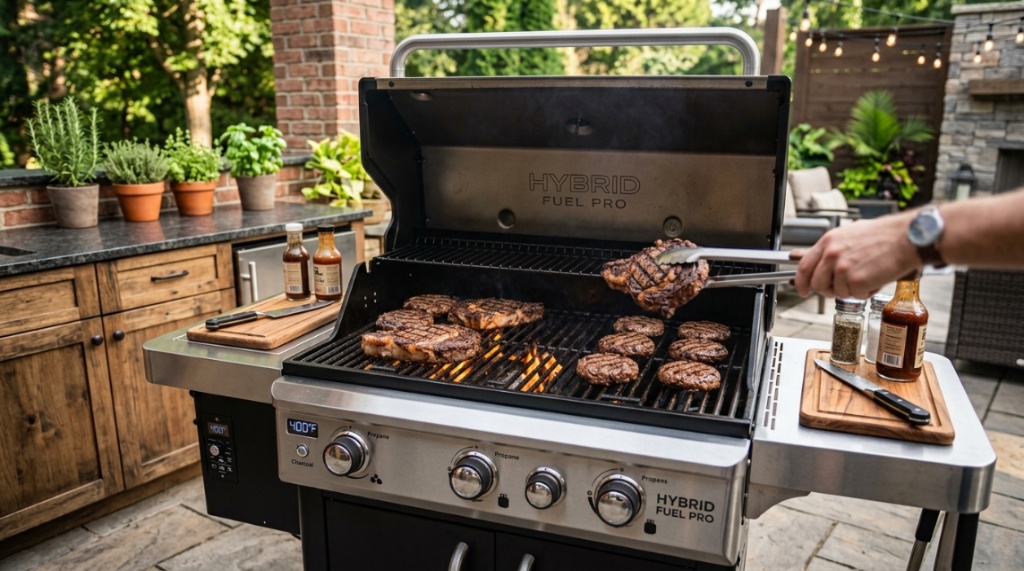
How Do You Choose Between Cast Iron and Stainless Steel Grates?
The cooking grates (the grates the food sits on) are your direct interface with the food. Your choice significantly impacts heat retention and food release.
Cast Iron Grates: These are the gold standard for searing. They hold heat like a cast iron skillet, giving you beautiful, dark sear marks. The downside is they rust easily if not oiled and maintained.
Stainless Steel Grates: These are low maintenance. They resist rust and are easy to clean. However, they do not sear as well as cast iron.
Beginner Recommendation: If you are in a humid climate or do not want to baby your grates, buy stainless steel. If you want the best sear and are willing to spend 2 minutes oiling them after each cook, buy cast iron.
Can a Beginner Use a Portable Grill?
Yes, absolutely. Portable grills are an excellent choice for a beginner with a small space, an apartment, or someone who likes to tailgate. Brands like the Weber Q series or the Coleman RoadTrip are incredibly popular for a reason. They are small enough to store easily, use disposable or small propane tanks, and cook perfectly for 1–3 people. For a true backyard BBQ grills beginner with limited space, a portable model is often a smarter buy than a bulky full-sized grill.
Should You Buy a Grill Cover and Tools?
Grilling is not just about the machine; it is about the system. Your grill is an outdoor appliance exposed to rain, sun, and bird droppings. A heavy-duty, waterproof grill cover is not optional—it is the single best way to double the life of your grill.
Essential Tools for Your First Cookout:
- Long-handled spatula and tongs: 18–24 inches long to keep your hands safe.
- Instant-read thermometer: This is the most important tool. Do not guess when your chicken is done. Cook to 165°F internal temperature.
- Wire grill brush: Clean the grates while they are hot.
- Chimney starter (for charcoal): Ditch the lighter fluid. A chimney starter is cleaner, faster, and gives better flavor.
Which Brand Is Most Reliable for a First Grill?
Brand reputation matters because it speaks to customer service, parts availability, and build quality. For a beginner, stick with brands that have a proven track record and readily available parts.
- Weber: The king of the backyard. Incredible resale value, excellent customer service, and parts can be bought at most hardware stores. The Weber Spirit series is the ideal beginner grill.
- Napoleon: High-end build quality with excellent warranties. Their Wave cooking grates are fantastic for searing.
- Char-Broil: A budget-friendly option. Their TRU-Infrared technology helps prevent flare-ups, which is great for beginners.
- Broil King: Known for heavy-gauge steel and powerful burners. A fantastic “buy it for life” option.
How Do You Avoid Common Beginner Mistakes?
- Mistake: Buying the biggest grill you can find.
Fix: Buy the size that fits your space and family. A big grill is hard to light evenly and wastes fuel for small cooks. - Mistake: Not seasoning a new charcoal grill.
Fix: Run a charcoal grill at high heat (450°F+) for 30 minutes before your first cook to burn off manufacturing oils. - Mistake: Opening the lid every 30 seconds.
Fix: “If you’re looking, you’re not cooking.” Every time you open the lid, heat escapes. Trust your thermometer. - Mistake: Not cleaning the grates after use.
Fix: Burn the grill on high for 10 minutes after cooking, scrape the grates with a brush, and close the lid. Next cook, it’s ready.
What Is the Best First Meal to Cook?
Do not try to smoke a brisket for 16 hours on your first cook. Keep it simple. Aim for a meal that builds confidence without pressure. The perfect first meal is burgers and chicken sausages.
- Burgers: They cook quickly (4–6 minutes per side), allow you to practice flipping, and taste amazing even if they are a little overdone.
- Sausages: They are forgiving and cook best over medium, indirect heat.
- Bonus: Throw on some bell peppers and onions in a foil packet. It’s easy, looks impressive, and teaches you about indirect cooking.
Frequently Asked Questions
Is a gas or charcoal grill better for a beginner?
Gas grills are generally better for a beginner because they offer instant ignition, precise temperature control, and require less skill to operate. Charcoal grills offer better flavor but require more time and practice.
How often should I clean my grill?
You should clean the cooking grates with a wire brush after every use while the grill is still hot. A deep clean, including the interior and drip tray, should be done every 2–3 months, depending on usage.
Where should I store my grill when it rains?
If you have a garage or shed, store it there. If not, always use a high-quality, waterproof cover. Never store a grill inside your home due to fire and carbon monoxide risks. Ensure the propane tank is disconnected if storing indoors.
Do I need a side burner?
No. A side burner is useful for heating sauce or searing vegetables, but it is a luxury, not a necessity. Most beginners find they rarely use it and prefer the extra counter space.
Can I grill in the winter?
Yes, you can grill in any weather. Gas grills perform well in cold weather, though they may take a little longer to heat up. Charcoal is harder to light and maintain in high wind or snow. Always ensure good ventilation and clear snow away from the grill.
How long does a propane tank last?
A standard 20 lb propane tank (the blue tank) will last approximately 18–20 hours of cooking on a standard 3-burner grill at medium heat. Always keep a spare tank on hand.
What is the best way to learn temperature control?
The best way is to use an instant-read meat thermometer and a lid-mounted grill thermometer. Learn how the dial responds when you open the lid versus when you adjust the burners. This feedback loop is the key to becoming a pro.
Now that you know how to buy your first backyard BBQ grill like a pro, you are well on your way to mastering outdoor cooking. Want to upgrade your indoor culinary skills next? Learn how to make restaurant-style pasta at home with a manual pasta machine to impress your guests rain or shine.
Conclusion
Buying your first backyard BBQ grill does not have to be a guessing game. You now have the knowledge to skip the hype and focus on what matters: choosing the right fuel for your lifestyle, investing in build quality over flashy features, and buying the right size for your family. Remember to look for a solid lid, durable grates, and a reliable ignition system. Keep your first cook simple, clean your grates after every use, and always use a thermometer. You are now ready to stand confidently in that aisle, ignore the sales pressure, and walk out with a grill that will serve you well for years. Stop reading, start shopping, and get ready to impress your neighbors.
