
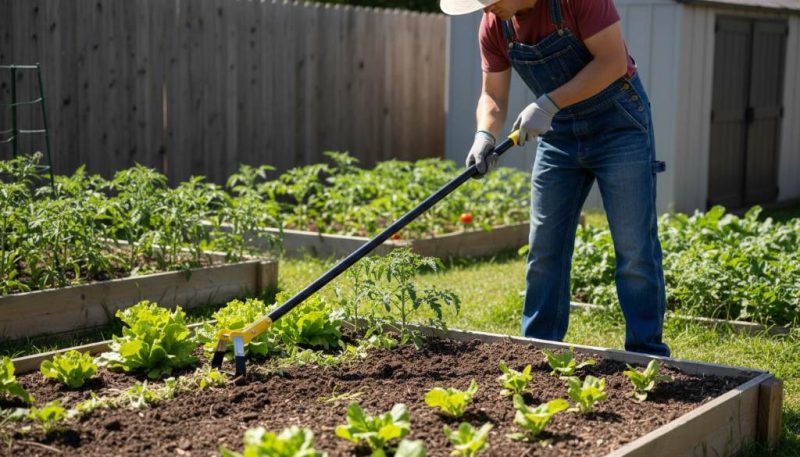
Weeds invade every garden. They steal water, nutrients, and sunlight from your plants. You feel frustrated when they take over. However, you can regain control quickly with the right approach. Gardeners spend an average of five hours per week tending their plots, and weeding often claims a large share of that time. In addition, nearly half of all gardeners want to spend less time on this chore. You can cut that effort significantly when you choose the perfect hoe and use it well.
Efficient weeding keeps your garden healthy and saves your energy. Manual methods avoid chemicals that harm soil life and pollinators. If you seek a reliable tool that makes the job easier, check out Hoe for Weeding Garden. This guide shows you exactly how to weed faster and smarter.
Why Weeding Matters for a Thriving Garden
Weeds compete fiercely with your vegetables and flowers. They grow fast and spread seeds everywhere. One unchecked weed produces thousands of seeds that linger in soil for years. Regular weeding stops this cycle early.
Healthy plants grow stronger without competition. University extension services note that consistent weed removal boosts yields by up to 30 percent in vegetable gardens. Moreover, you spot pests and diseases sooner when beds stay clear.
Manual weeding protects the environment. Chemicals drift into waterways and kill beneficial insects. Hoeing disturbs soil minimally and preserves microbes that keep your garden fertile. Therefore, you build a sustainable space that rewards you season after season.
Understanding Different Types of Garden Hoes
Garden hoes come in many shapes. Each type suits specific tasks. You need the right one to weed efficiently.
Traditional draw hoes feature a flat blade. You pull them toward you to chop tough weeds. They work well for heavy soil but tire your back quickly.
Dutch hoes have a push blade. You skim the surface to slice small weeds. They stand upright and reduce strain.
Heart-shaped hoes dig and mound soil. They handle established weeds but disturb soil deeply.
Scuffle hoes, also called stirrup or loop hoes, stand out for efficiency. Their hinged blade moves back and forth. You push and pull to cut weeds just below the surface. This motion covers ground fast with little effort.
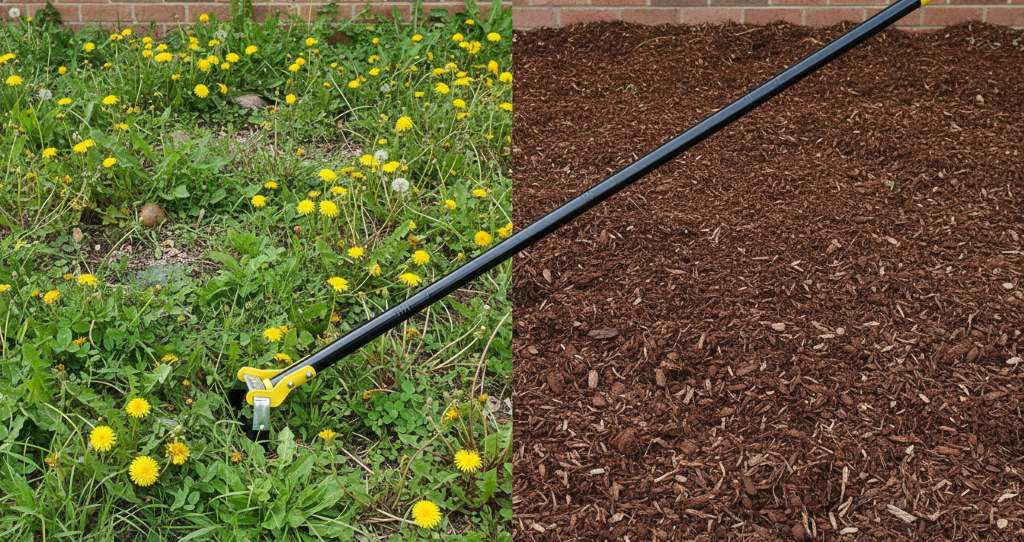
Why the Scuffle Hoe Excels at Weeding
Scuffle hoes change the game for most gardeners. The oscillating blade cuts on both push and pull strokes. You cover twice the area compared to single-direction tools.
These hoes sever weed roots while leaving soil structure intact. Shallow cutting prevents buried weed seeds from sprouting. Extension experts at Clemson University praise this design for quick removal of young weeds.
You stay upright during use. The long handle spares your back and knees. Sharp blades glide through soil smoothly on dry days.
Gardeners report finishing large beds in minutes instead of hours. For example, one user cleared a 500-square-foot plot in under 30 minutes after switching to a scuffle hoe. This speed keeps weeding from feeling overwhelming.
Preparing Your Garden and Tools for Success
Preparation makes weeding easier. Start on a dry day. Wet soil clumps and resists the blade. Sunny weather dries cut weeds quickly so they die faster.
Sharpen your hoe blade first. A dull edge pushes weeds aside instead of cutting them. Use a file or whetstone at a 20-degree angle. Spend five minutes sharpening for hours of smooth work.
Clear large debris from paths. Remove big weeds by hand before hoeing. This prevents the blade from catching.
Wear gloves and sturdy shoes. Protect your hands from blisters and your feet from sharp edges. Good posture matters too. Stand tall and let the tool do the work.
Step-by-Step Guide to Efficient Hoeing
Follow these steps for best results. You achieve clean beds with minimal effort.
First, position yourself at the bed’s edge. Hold the handle like a broom with thumbs up. Angle the blade flat against the soil.
Next, push forward gently. The blade slides under the surface and cuts weed roots. Feel the resistance drop as it severs stems.
Then, pull back smoothly. The hinge lets the blade cut again on the return stroke. Keep motions rhythmic and steady.
Work in rows or sections. Overlap strokes slightly to avoid missing spots. Stay shallow at about one inch deep.
Pause to shake off soil buildup. Continue until the area looks clear. Rake lightly afterward if needed.
Practice builds speed. Beginners often finish faster after just one session.
Best Timing for Hoeing Sessions
Timing affects your success. Hoe every week or two during peak growth. Young weeds die easily when cut early.
Morning works well after dew dries. Soil stays loose and weeds snap cleanly.
Avoid hoeing right after rain. Sticky soil clogs the blade and spreads weed pieces.
Late spring and early summer demand frequent passes. Weeds explode with warmth and moisture.
Fall hoeing prevents winter annuals from seeding. One thorough session reduces spring work dramatically.
Consistent short sessions beat rare marathon efforts. Ten minutes twice a week keeps gardens nearly weed-free.
Advanced Techniques for Tough Weeds
Some weeds challenge standard methods. Adapt your approach for better control.
Perennial weeds with deep roots need persistence. Cut tops repeatedly to starve underground parts. Most weaken after several sessions.
Dense patches benefit from sectioning. Clear one small area fully before moving on. This prevents overwhelm and shows quick progress.
Combine directions for thick growth. Hoe north-south then east-west for complete coverage.
Edge beds carefully. Use short strokes near plants to avoid damage. A narrower blade helps in tight spaces.
Mulch immediately after hoeing. Bare soil invites new seeds. Organic mulch blocks light and smothers survivors.
Combining Hoeing with Mulch and Prevention
Hoeing pairs perfectly with prevention. Mulch forms a powerful duo.
Apply two to three inches of organic mulch after clearing weeds. Straw, leaves, or wood chips block sunlight and retain moisture.
Mulched beds need far less hoeing. Weeds struggle to emerge through the barrier.
Prevent seeds from arriving. Clean tools between gardens. Avoid importing contaminated soil or compost.
Plant densely. Close spacing shades soil and leaves little room for invaders.
Crop rotation confuses weed cycles. Different plants disrupt specific weed patterns over time.
These strategies reduce hoeing to occasional touch-ups. You enjoy more harvest time and less labor.
Maintaining Your Hoe for Long-Term Performance
Proper care keeps your tool effective. Clean the blade after each use. Remove soil and sap to prevent rust.
Store hoes indoors or under cover. Hang them to save space and protect edges.
Sharpen regularly. Touch up the blade every few sessions for effortless cutting.
Oil metal parts lightly. This prevents corrosion in humid climates.
Inspect handles for splinters or cracks. Sand wood handles and apply linseed oil yearly.
A well-maintained hoe lasts decades. You pass it down with pride.
Common Mistakes Gardeners Make When Hoeing
Avoid these pitfalls to save time and frustration.
Many gardeners hoe too deeply. Deep cuts bring buried seeds to the surface. Stay shallow for better control.
Dull blades cause problems. They mash weeds instead of slicing cleanly. Keep edges razor-sharp.
Hoeing wet soil spreads trouble. Clumps form and weed fragments root. Wait for dry conditions.
Ignoring posture leads to pain. Bend from hips, not your back. Use your legs for power.
Skipping mulch leaves soil bare. New weeds sprout quickly. Cover ground right after clearing.
Overlooking young weeds lets them mature. Hoe early and often for easiest removal.
Learn from these errors. Your technique improves rapidly.
Related:
How to Grow Your Own Cut Flowers for Bouquets and Arrangements
Transform Your Outdoor Space: Top Garden Living Trends to Try in 2025
Health Benefits of Manual Weeding
Hoeing provides excellent exercise. You burn calories while building strength.
Gardeners enjoy better cardiovascular health from regular activity. Studies link gardening to lower stress and improved mood.
You connect with nature. Fresh air and soil contact boost well-being.
Manual weeding avoids chemical exposure. You protect your lungs and skin from herbicides.
Children learn responsibility safely. They join without toxin risks.
This rewarding work nourishes body and mind together.
Environmental Advantages of Hoe Weeding
Manual methods support biodiversity. Beneficial insects thrive without pesticides.
Soil stays healthy. Microbes and worms continue their vital work undisturbed.
Water quality improves. No runoff carries chemicals to streams.
Native plants benefit indirectly. Healthier ecosystems support pollinators.
Carbon stays sequestered. Minimal soil disturbance keeps it locked in place.
You contribute to sustainability. Future generations inherit cleaner land.
Conclusion
Efficient weeding transforms gardening from chore to joy. Choose the right hoe, master proper technique, and time sessions wisely. Combine these with prevention for lasting results.
Start small today. Grab your hoe and clear one bed. Notice how quickly weeds vanish and plants thrive.
Your garden rewards consistent care with beauty and bounty. Take action now and enjoy a weed-free oasis all season.
FAQs
What makes a scuffle hoe the best choice for weeding?
Scuffle hoes cut on both push and pull strokes. This doubles efficiency over traditional designs. They work shallowly to prevent new weed seeds from sprouting while sparing your back.
How often should I hoe my garden?
Hoe every one to two weeks during growing season. Focus on young weeds for easiest removal. Short frequent sessions prevent heavy infestations.
Can I weed effectively without chemicals?
Yes, manual hoeing controls weeds naturally. Sharp tools and proper timing eliminate most invaders. Mulch afterward for long-term prevention.
When is the best time of day to hoe weeds?
Hoe in morning after dew dries or on warm afternoons. Dry soil lets the blade glide smoothly. Cut weeds die faster in sunlight.
How do I sharpen my garden hoe?
Use a mill file at 20 degrees. Stroke away from the edge. Finish with a whetstone for razor sharpness. Sharp tools cut cleanly and reduce effort.
References
- University of Minnesota Extension: Controlling Weeds in Home Gardens – https://extension.umn.edu/planting-and-growing-guides/controlling-weeds-home-gardens
- Clemson University HGIC: Weed Management Tools – https://hgic.clemson.edu/3-cool-tools-to-add-to-your-garden-toolbox-for-weed-management-this-year
- UCANR Weed Science Blog: Hoeing Techniques – https://ucanr.edu/blog/backyard-gardener/article/advanced-hoeing
- Oregon State University Extension: Invasive Weed Strategies – https://news.oregonstate.edu/news/roll-your-sleeves-use-multiple-strategies-control-invasive-weeds
