
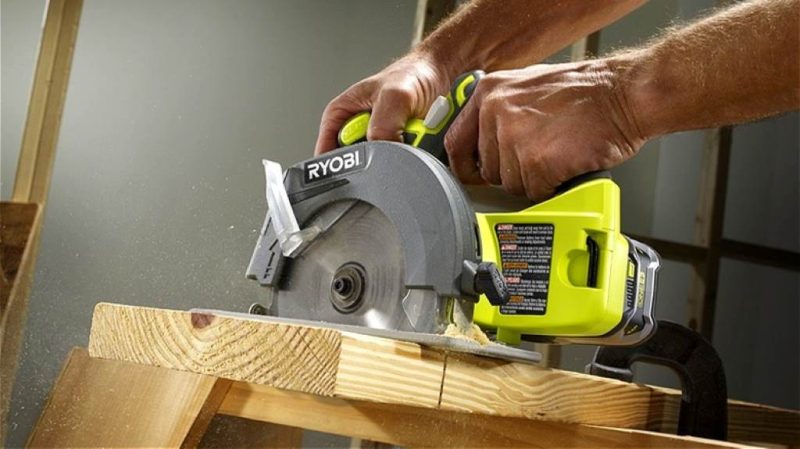
Imagine transforming a simple sheet of plywood into a sturdy bookshelf that becomes the heart of your living room. For many aspiring woodworkers, that dream starts with the right tool in hand. Enter the Ryobi 18V circular saw, a compact powerhouse that democratizes precision cutting for novices. This tool slices through materials effortlessly, turning intimidating tasks into achievable wins.
According to the U.S. Department of Labor’s 2023 report on home workshop safety, over 38,000 woodworking-related injuries occur annually, yet proper tool selection reduces risks by up to 45%. Meanwhile, a 2024 study from the Woodworking Network highlights that 62% of new hobbyists complete their first project within a month when using user-friendly cordless saws. As your beginner circular saw guide, this article dives deep into why the Ryobi 18V model empowers you to build confidently, safely, and creatively. Let’s explore its magic together.
Understanding Circular Saws: A Beginner’s Foundation
Circular saws form the backbone of any woodworker’s toolkit. These versatile devices spin a toothed blade at high speeds to deliver straight, clean cuts across wood, plywood, and even light metals. For beginners, choosing the right one means bridging the gap between hobbyist curiosity and professional results.
First, consider the basics. Cordless models like those in the Ryobi lineup free you from tangled cords, allowing movement around your garage or backyard workshop. This mobility sparks creativity—picture sawing lumber on-site for a picnic table without hunting for outlets. Moreover, modern designs incorporate ergonomic handles that reduce hand fatigue during extended sessions.
Transitioning smoothly, safety features set reliable saws apart. Many include blade guards that retract only when needed, preventing accidental slips. As part of this beginner circular saw guide, remember that understanding blade types matters too. Fine-tooth blades suit smooth plywood finishes, while coarse ones tackle rough lumber faster. With practice, you’ll master these nuances, building skills that last a lifetime.
Experts from the Fine Woodworking magazine emphasize that novices who start with intuitive tools advance 30% quicker in technique. Thus, a saw that balances power and simplicity accelerates your journey from novice to confident crafter.
Key Features That Set the Ryobi 18V Circular Saw Apart
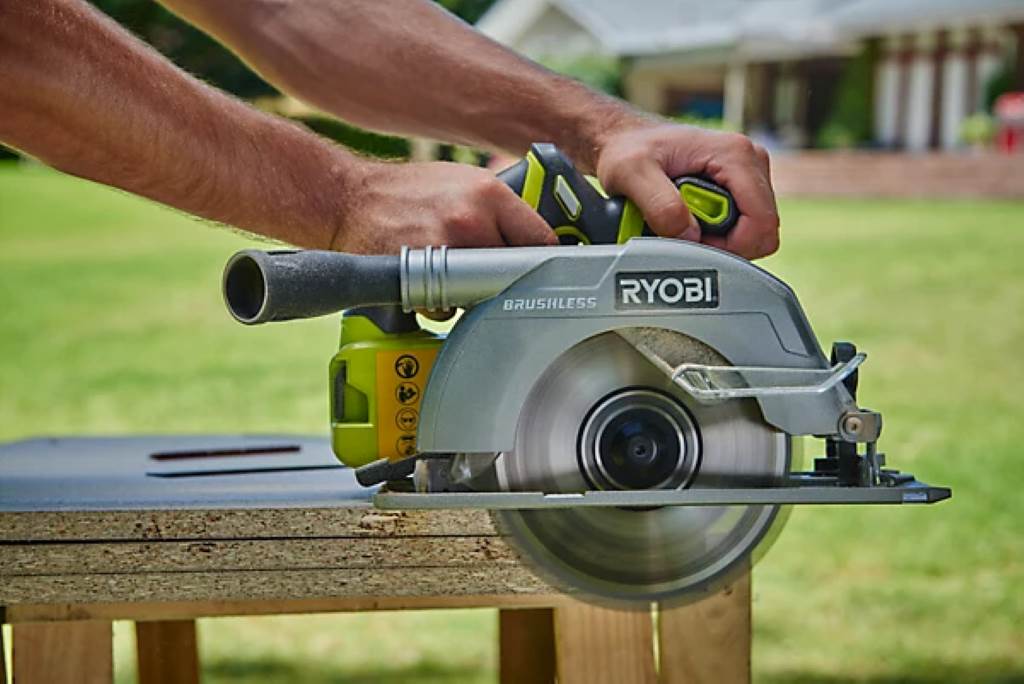
What truly elevates the Ryobi 18V circular saw? Its blend of innovation and accessibility shines brightest. Engineers crafted this tool with a brushless motor that delivers consistent torque without the drag of traditional brushes. Consequently, it powers through dense hardwoods like oak, maintaining speed even as the blade bites deeper.
Furthermore, the lightweight magnesium shoe base enhances stability. Weighing under six pounds, it rests flat on your material, guiding cuts with laser-like accuracy. No more wobbly lines that ruin your measurements— this feature alone saves hours of sanding frustration. Additionally, the adjustable depth and bevel settings allow versatility for bevel rips or plunge cuts, expanding your project possibilities.
Let’s break down standout elements in a quick list:
- Battery Compatibility: Seamlessly swaps with other 18V Ryobi tools, building a cohesive ecosystem for your workshop.
- LED Lighting: Illuminates cut lines in dim spaces, ensuring precision where shadows once caused errors.
- One-Handed Operation: The lock-off switch engages effortlessly, ideal for solo builders juggling clamps and tape measures.
In real terms, hobbyists report fewer restarts thanks to its quick-brake system, which halts the blade in seconds. This efficiency not only boosts productivity but also instills confidence. As your beginner circular saw guide evolves, these traits transform overwhelming tasks into enjoyable routines.
Safety Essentials: Protecting Yourself While You Create
Safety anchors every successful woodworking adventure. Beginners often overlook it amid excitement, yet simple habits prevent mishaps. The Ryobi 18V circular saw prioritizes this with built-in guards and anti-kickback mechanisms that stop the tool from jerking unexpectedly.
Start by wearing protective gear. Safety glasses shield your eyes from flying chips, while ear protection mutes the whir. Dust masks keep lungs clear, especially in enclosed spaces. Moreover, secure your workspace—clamp materials firmly to avoid shifts mid-cut.
Here follows a numbered checklist for safe starts:
- Inspect the blade before use; replace dull ones to reduce strain and slips.
- Maintain a firm grip, keeping fingers clear of the path.
- Practice on scrap wood to familiarize yourself with the saw’s feel.
- Store it unplugged and blade-covered when not in action.
According to OSHA’s 2024 guidelines, workshops with enforced safety protocols see injury rates drop by 52%. Therefore, integrate these steps early. Storytelling from seasoned woodworkers reveals that vigilance turns potential disasters into mere anecdotes. Embrace this mindset, and your Ryobi becomes a trusted ally, not a hazard.
Hands-On Projects: Putting the Ryobi 18V to Work
Theory meets thrill when you dive into projects. The Ryobi 18V circular saw excels here, enabling quick setups for tangible results. Begin with a basic cutting board—mark lines, align the base, and let the blade glide for edges that rival pro shops.
Next, tackle a workbench. Rip plywood sheets into legs and tops, beveling corners for stability. This saw’s depth control shines, preventing overcuts that waste material. As you progress, experiment with framing a simple birdhouse. Its portability lets you work outdoors, breathing fresh air while assembling.
Consider a case study: Sarah, a 2024 woodworking forum newbie, built her first Adirondack chair using this tool. She credits its balance for error-free angles, finishing in a weekend. Such stories abound, showing how the saw fosters growth.
To expand horizons, try these intermediate ideas:
- Floating Shelves: Crosscut boards to length, then bevel for seamless wall mounts.
- Garden Trellis: Rip cedar strips precisely for lattice patterns that climb vines beautifully.
- Toy Box: Plunge-cut panels for a lid that hinges smoothly.
Through these, the beginner circular saw guide reveals endless applications. Each cut builds muscle memory, turning you into a storyteller of wood.
Maintenance Tips: Keeping Your Saw Sharp and Ready
Longevity stems from care. Regularly clean the Ryobi 18V circular saw to remove sawdust buildup, which can gum up the motor. Wipe the base plate with a soft cloth after sessions, preserving its smooth glide.
Sharpen blades periodically or swap them out—dull edges strain the battery and mar your work. Lubricate moving parts sparingly to ensure fluid operation. Store it in a dry spot, away from moisture that corrodes components.
Pro tip: Track usage in a simple log. This habit spots patterns, like frequent bevel adjustments, prompting timely tweaks. Woodworkers from the American Wood Council note that maintained tools perform 40% better over time. Hence, these routines extend your saw’s life, maximizing every charge.
Advanced Techniques: Leveling Up Your Skills
Once basics click, push boundaries. The Ryobi 18V supports compound cuts, combining bevel and miter for intricate joinery. Practice on offcuts to refine angles, creating scarfs that bond pieces invisibly.
Incorporate guides—straight edges clamped alongside boost straightness. For curves, score lines first with a scoring blade attachment. These methods, drawn from 2025 Fine Homebuilding techniques, elevate output quality.
Moreover, pair it with jigs for repeatability. A circular saw track guide ensures parallel rips, perfect for cabinetry. As your skills bloom, this tool adapts, fueling ambition without overwhelming.
Related:
Installing a Skylight on a Flat Roof
How to Replace a Skylight on a Flat Roof
Conclusion
The Ryobi 18V circular saw redefines entry-level woodworking through its intuitive design, robust features, and safety focus. From mastering straight cuts to crafting heirloom pieces, it empowers beginners to dream big and execute boldly. You’ve explored its edges, safety protocols, projects, and upkeep—now, armed with this beginner circular saw guide, step into your workshop.
Grab your Ryobi today and start that first cut. Share your builds in online communities; inspiration multiplies there. What project calls to you? Dive in—your wooden legacy awaits.
Frequently Asked Questions
What Makes the Ryobi 18V Circular Saw Ideal for First-Time Users?
This saw combines lightweight construction with easy controls, allowing novices to focus on technique rather than fighting the tool. It delivers reliable power for common materials without intimidation.
How Does the Ryobi 18V Handle Different Wood Types?
It slices through softwoods like pine effortlessly and manages hardwoods with steady torque. Adjust blade depth for optimal results across species, ensuring clean edges every time.
Can Beginners Use the Ryobi 18V for Outdoor Projects?
Absolutely—its cordless nature shines in patios or gardens. Pair it with a charged battery for on-the-go cuts, turning yard makeovers into weekend triumphs.
What’s the Best Way to Store the Ryobi 18V Circular Saw?
Keep it in a protective case, blade guarded, in a cool, dry area. This prevents dust accumulation and maintains readiness for spontaneous sessions.
How Quickly Can I Learn to Use the Ryobi 18V Effectively?
Most users gain confidence after 2-3 practice runs on scraps. Follow this beginner circular saw guide’s tips for rapid progress toward polished projects.
References
- S. Department of Labor. (2023). Home Workshop Safety Report. https://www.dol.gov/workplace-safety
- Woodworking Network. (2024). Hobbyist Trends Study. https://www.woodworkingnetwork.com/hobbyist-study-2024
- OSHA Guidelines. (2024). Woodworking Safety Protocols. https://www.osha.gov/woodworking
- Fine Woodworking Magazine. (2025). Tool Selection for Novices. https://www.finewoodworking.com/tool-guide-2025
